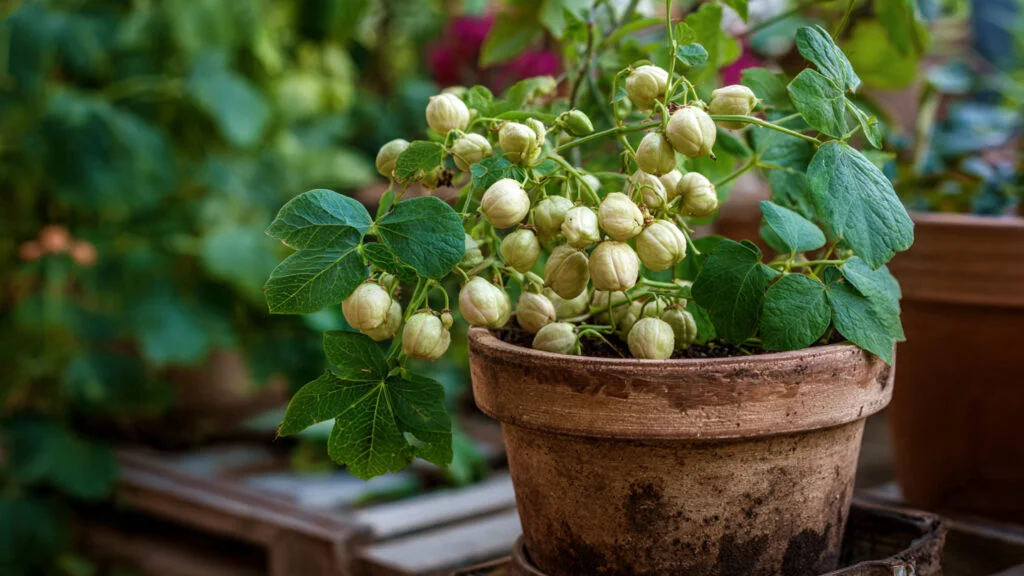

Chickpeas (Cicer arietinum), also known as garbanzo beans, are a versatile and nutritious legume that can be grown in a variety of environments, including home gardens. Growing chickpeas in a simple garden pot is an excellent way to cultivate this healthy legume, even if you have limited space. In this article, we will explore the essentials of chickpea cultivation, from choosing the right pot to caring for your plants, ensuring a successful harvest.
Understanding Chickpeas: An Overview
Chickpeas are an ancient crop that has been cultivated for thousands of years. They are rich in protein, fiber, and several essential vitamins and minerals, making them a popular choice for vegetarian and vegan diets. Chickpeas are typically used in dishes like hummus, salads, stews, and curries. Growing them in pots can be an enjoyable project for both novice and seasoned gardeners.
Benefits of Growing Chickpeas in Pots
- Space Efficiency: Growing chickpeas in pots is ideal for small spaces such as balconies, patios, or urban gardens.
- Convenience: Pots can be easily moved to take advantage of sunlight and protect plants from adverse weather.
- Controlled Environment: You have more control over soil quality, watering, and pest management.
- Aesthetics: Potted plants can enhance the visual appeal of your garden or living space.
Choosing the Right Pot
Size Matters
When growing chickpeas, the pot size is crucial. A minimum depth of 12-18 inches is advisable for adequate root growth, while a container with a capacity of around 5 gallons should suffice for a few plants. Larger pots will allow for better soil retention and healthier root systems.
Material Matters
Pots can be made of various materials, including plastic, clay, or ceramic. Each has its pros and cons:
- Plastic: Lightweight and often less expensive. Be mindful of drainage.
- Clay: Allows for better breathability but can dry out quickly.
- Ceramic: Attractive but can be heavy. Ensure they have drainage holes.
Drainage
Proper drainage is essential. Ensure your pot has several drainage holes at the bottom to prevent water from pooling, which can lead to root rot.
Selecting the Right Soil
Chickpeas thrive in well-draining soil. A potting mix enriched with organic matter is ideal. Here’s how to mix your soil:
- Base Mix: Start with a good quality potting soil.
- Perlite or Vermiculite: Add 20-30% perlite or vermiculite to the mix to increase aeration and drainage.
- Organic Matter: Incorporate compost to provide nutrients and improve soil structure.
Choosing Seeds
Varieties of Chickpeas
Select a variety that is suitable for your climate. Common types include:
- Desi: Small, drought-resistant, and commonly grown in Asia.
- Kabuli: Larger, lighter-colored, and typically found in Mediterranean cuisines.
Seed Quality
Purchase high-quality seeds from a reputable source. Organic seeds are often a good choice as they are less likely to have been treated with harmful chemicals.
Planting Chickpeas
Timing
Chickpeas are cool-season plants and thrive in temperatures between 60-75°F (15-24°C). In many regions, the best time to sow chickpeas is in early spring, once the danger of frost has passed.
Sowing
- Prepare the Pot: Fill the pot with your prepared soil mix, leaving about an inch of space at the top.
- Sow Seeds: Plant seeds about 1-2 inches deep. Space them out about 3-4 inches apart to allow for adequate growth.
- Water Gently: Mist the soil lightly with water until it’s evenly moist but not soggy. Avoid over-watering at this stage.
Caring for Your Chickpea Plants
Watering
Chickpeas require regular watering, especially during dry spells. Here’s what to keep in mind:
- Water the plants deeply once or twice a week, depending on the weather and soil moisture.
- Allow the top inch of soil to dry out between waterings to prevent over-saturation.
Sunlight
Chickpeas thrive in full sunlight, requiring at least 6-8 hours of direct sunlight daily. If your pot is in a shaded location, consider relocating it to a sunnier spot.
Fertilization
Chickpeas are legumes and have the ability to fix nitrogen in the soil, making them relatively low-maintenance in terms of fertilizers. However, a light feeding of an organic fertilizer (like a balanced 10-10-10 mix) a few weeks after planting can encourage healthy growth.
Pest and Disease Management
Chickpeas can be susceptible to a few pests and diseases:
- Aphids: Small insects that suck sap from plants. Use insecticidal soap or neem oil to manage infestations.
- Fungal Diseases: Avoid overhead watering to reduce the risk of diseases like powdery mildew. Ensure good airflow around the plants.
Keep a close eye on your plants, and address issues as soon as they arise to minimize damage.
Support for Growth
While chickpeas are relatively bushy, they might benefit from some support as they grow taller. Small stakes or bamboo sticks can help. However, ensure that the support does not crowd the plants.
Harvesting Your Chickpeas
Timing
Chickpeas typically take about 90-100 days to mature after planting. They are ready for harvest when the pods are dry, and the leaves start turning yellow.
How to Harvest
- Drying: If you live in a humid area, consider harvesting the entire plant and drying it in a well-ventilated, shady area.
- Shelling: Once thoroughly dried, shell the chickpeas from the pods. They can be used fresh or stored for future use.
Storage
Dried chickpeas can be stored in airtight containers in a cool, dark place for several months. If you wish to use fresh chickpeas, they are best consumed soon after harvest.
Common Challenges and Solutions
Limited Space
If you live in an apartment or have only a small balcony, consider vertical gardening techniques, such as using wall-mounted shelves for pots.
Inconsistent Watering
Set a watering schedule or use self-watering pots to ensure consistent moisture levels and avoid stress on your plants.
Pest Infestation
Regularly inspect your plants for signs of pests. Introduce beneficial insects like ladybugs to help control aphids naturally.
Cold Weather
If frost is expected, cover pots with cloth or move them indoors temporarily to protect young plants.
Conclusion
Growing chickpeas in a simple garden pot can be a rewarding and fulfilling endeavor. With careful attention to pot selection, soil quality, planting methods, and ongoing care, you can enjoy a bountiful harvest of this nutritious legume. Whether you’re using them in soups, salads, or making hummus, homegrown chickpeas bring a fresh flavor that store-bought varieties simply can’t match. So grab your pot, get some seeds, and start cultivating your very own chickpea garden today!