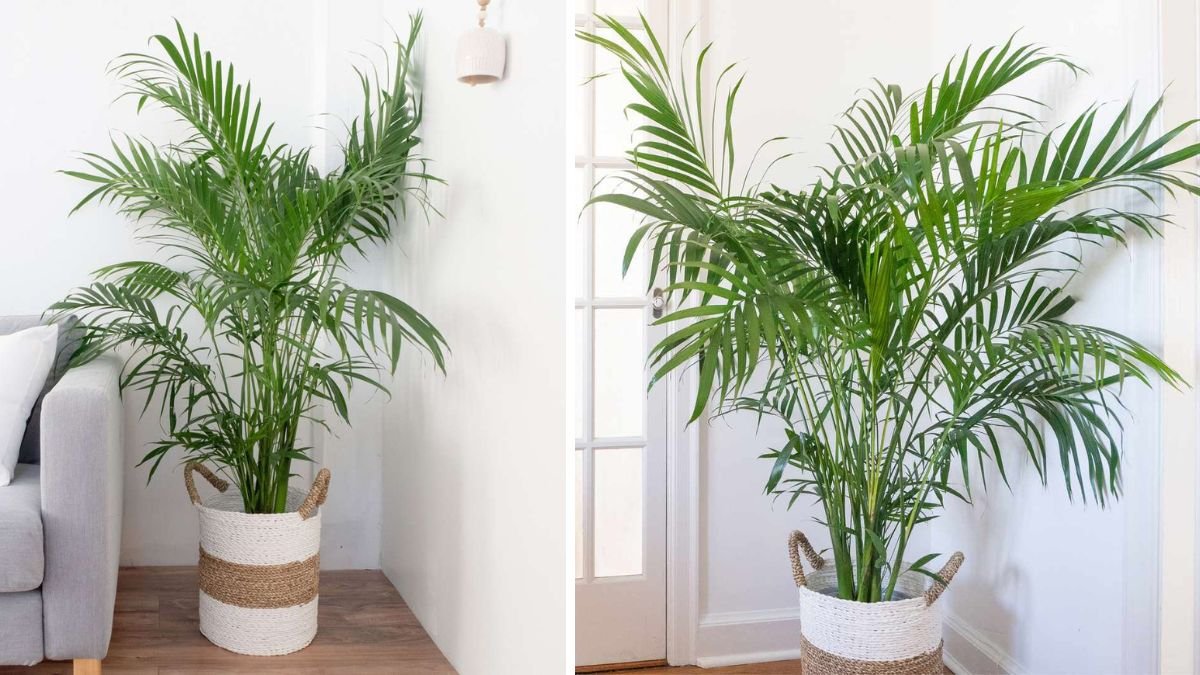

Palm plants instantly transform indoor spaces into calm, elegant, and tropical retreats. With their graceful fronds and air-purifying qualities, palms are among the most popular indoor plants for homes and offices. While they look luxurious, many palm varieties are surprisingly easy to grow indoors when given the right care.
This guide covers the best tips for growing palm plants indoors, helping you create a lush living space filled with healthy, thriving greenery.
Why Choose Palm Plants for Indoors?
Indoor palms offer more than just beauty. They:
- Improve air quality
- Add height and structure to rooms
- Create a relaxing, resort-like feel
- Adapt well to indoor conditions
- Require minimal maintenance once established
Their slow growth and elegant form make them ideal for long-term indoor décor.
Best Palm Varieties for Indoor Growing
Not all palms are suitable for indoor life. Choose varieties known for adaptability and manageable size.
Top Indoor Palm Plants
- Areca Palm – Bright, feathery leaves; excellent air purifier
- Parlor Palm – Compact and beginner-friendly
- Kentia Palm – Elegant and tolerant of low light
- Bamboo Palm – Hardy and fast-growing
- Majesty Palm – Beautiful but requires higher humidity
Selecting the right variety is the first step to success.
Light Requirements for Indoor Palms
Light is critical for palm health.
Ideal lighting conditions:
- Bright, indirect light
- Near east- or south-facing windows
- Filtered sunlight through curtains
Most palms dislike harsh, direct sunlight, which can scorch their leaves, while too little light causes slow growth and yellowing.
Temperature and Humidity Needs
Palms originate from tropical and subtropical regions.
Optimal conditions:
- Temperature: 65–80°F (18–27°C)
- Avoid cold drafts and sudden temperature changes
- Moderate to high humidity
Ways to increase humidity:
- Use a humidifier
- Place plants on pebble trays
- Group plants together
- Light misting (avoid soaking leaves)
Dry air is one of the most common reasons indoor palms struggle.
Choosing the Right Pot and Soil
Pot Selection
- Must have drainage holes
- Slightly larger than the root ball
- Heavy pots prevent tipping for tall palms
Soil Requirements
- Well-draining potting mix
- Mix in sand or perlite
- Avoid heavy garden soil
Good drainage prevents root rot, a major threat to indoor palms.
Watering Palm Plants Correctly
Overwatering is the biggest mistake palm owners make.
Best watering practices:
- Water when the top 1–2 inches of soil are dry
- Water thoroughly until excess drains out
- Never let the plant sit in standing water
Signs of overwatering include yellow leaves and root rot, while underwatering leads to brown, crispy tips.
Fertilizing for Lush Growth
Palms are light feeders but still benefit from regular nutrition.
Fertilizing tips:
- Use balanced liquid fertilizer
- Feed every 4–6 weeks during spring and summer
- Reduce feeding in fall and winter
- Choose fertilizer with magnesium and iron
Over-fertilizing can burn roots and leaf tips.
Pruning and Maintenance
Palm leaves do not regenerate once cut.
Pruning guidelines:
- Remove only completely brown or dead fronds
- Never cut green leaves
- Use clean, sharp scissors
Wipe leaves occasionally to remove dust and improve photosynthesis.
Common Palm Problems and Solutions
Brown Tips
- Cause: Low humidity or inconsistent watering
- Fix: Increase humidity and water evenly
Yellow Leaves
- Cause: Overwatering or nutrient deficiency
- Fix: Improve drainage and fertilize lightly
Pests
- Spider mites, mealybugs, scale
- Treat with neem oil or insecticidal soap
Early detection keeps palms healthy.
Styling Indoor Palms for Maximum Impact
Palms add instant drama and elegance.
Design ideas:
- Place tall palms in corners
- Use woven or ceramic planters
- Pair palms with neutral furniture
- Mix different palm sizes for depth
A single palm can transform an entire room.
Final Thoughts
Growing palm plants indoors is one of the easiest ways to create a lush, tropical living space. With proper light, humidity, and watering habits, palms reward you with graceful foliage and long-lasting beauty. Whether you choose a compact parlor palm or a tall kentia palm, indoor palms bring life, calm, and natural elegance into your home.