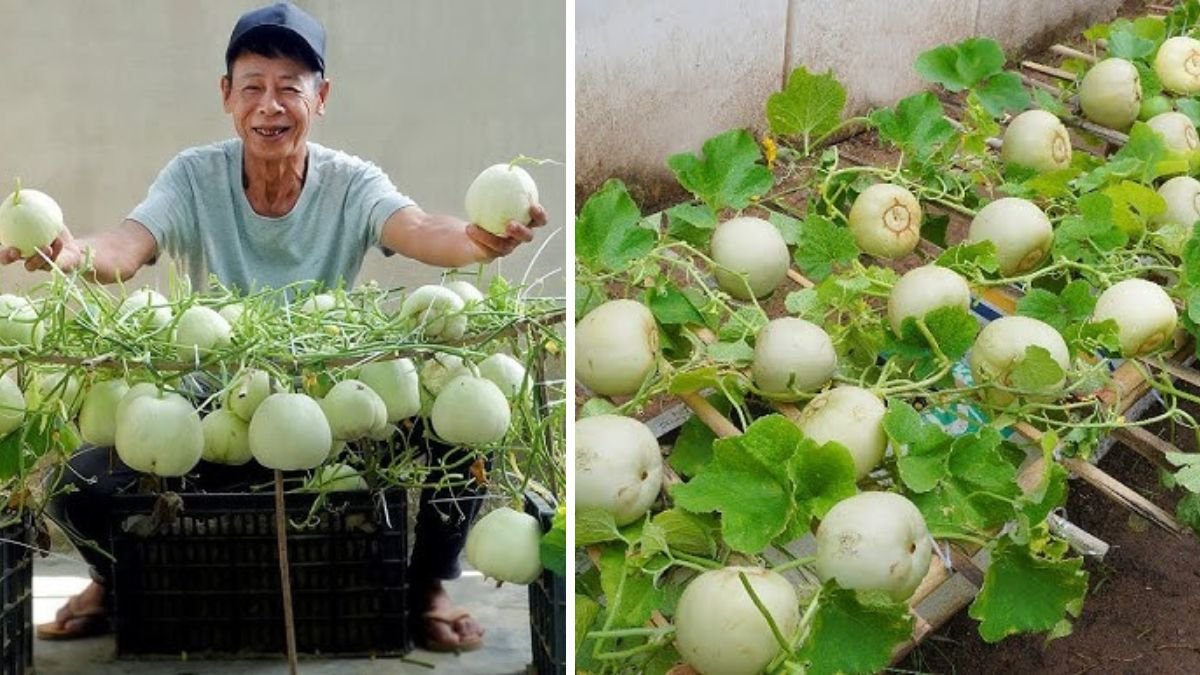

Growing melons beside your house might sound challenging, but with the right approach, it’s surprisingly achievable—even for beginners. Melons such as watermelon, cantaloupe, and honeydew thrive in warm conditions and can be grown successfully using simple home gardening methods. Whether you have a small yard, a narrow side space, or a sunny wall, you can enjoy sweet, homegrown melons with minimal investment.
This guide will show you how to grow melons beside your house, step by step, using easy techniques that maximize space, sunlight, and productivity.
Why Grow Melons Beside Your House?
Growing melons close to your home has several advantages:
- Easy access for watering and care
- Protection from strong winds
- Warmth from house walls improves growth
- Efficient use of underutilized space
- Reduced pest pressure compared to open fields
Melons love heat, and the warmth reflected from your house walls creates an ideal microclimate.
Choosing the Right Melon Varieties
Not all melons are equally suitable for home gardening.
Best melon types for side-yard or house-adjacent growing:
- Cantaloupe (muskmelon)
- Sugar baby watermelon
- Honeydew
- Mini watermelon varieties
- Charentais melon
Choose compact or bush varieties if space is limited.
Selecting the Perfect Growing Spot
Melons need sunlight more than anything else.
Ideal location beside your house:
- 6–8 hours of direct sunlight daily
- South- or west-facing wall
- Good airflow to prevent disease
- Well-draining soil
Avoid shaded areas or places where water pools after rain.
Preparing the Soil for Melons
Healthy soil is the foundation of sweet, juicy melons.
Soil requirements:
- Loose, well-draining soil
- Rich in organic matter
- Slightly acidic to neutral pH (6.0–6.8)
Soil preparation steps:
- Loosen soil 12–18 inches deep
- Mix in compost or aged manure
- Add sand if soil is heavy clay
- Create raised mounds or rows to improve drainage
Melons thrive in warm, aerated soil.
Planting Melons the Simple Way
From Seeds
- Plant seeds 1 inch deep
- Space plants 2–3 feet apart
- Sow after frost danger passes
- Soil temperature should be above 65°F (18°C)
From Seedlings
- Transplant carefully to avoid root damage
- Harden off seedlings before planting
- Water immediately after planting
Planting near the house allows earlier planting due to retained warmth.
Training Melons to Save Space
Melon vines can spread aggressively, but you can guide them.
Space-saving techniques:
- Train vines along the wall
- Use trellises or wire fencing
- Direct vines away from walkways
- Support fruits with slings (fabric or mesh)
Vertical or guided growth improves airflow and reduces rot.
Watering for Sweetness and Size
Melons need consistent watering, especially during fruit development.
Best watering practices:
- Water deeply 2–3 times per week
- Focus on root zone, not leaves
- Reduce watering as fruits ripen
Too much water near harvest can dilute sweetness.
Fertilizing Melons Naturally
Melons are heavy feeders.
Simple fertilizing plan:
- Compost at planting
- Balanced fertilizer during early growth
- Switch to phosphorus and potassium-rich feed during flowering
- Avoid excess nitrogen once fruit sets
Healthy feeding equals bigger, tastier melons.
Pollination and Flower Care
Melons produce male and female flowers.
To improve pollination:
- Encourage bees with flowers nearby
- Avoid spraying pesticides
- Hand-pollinate if needed using a soft brush
Good pollination ensures properly shaped fruits.
Common Problems and Easy Fixes
Yellow Leaves
- Cause: Overwatering or nutrient deficiency
- Fix: Improve drainage and adjust feeding
Fruit Rot
- Cause: Fruit touching wet soil
- Fix: Use straw, mulch, or slings
Pests
- Aphids, cucumber beetles
- Use neem oil or soapy water
Regular inspection prevents serious issues.
Harvesting Melons at Peak Ripeness
Signs your melons are ready:
- Sweet aroma
- Fruit slips easily from vine
- Color deepens
- Dull skin surface
Harvest gently to avoid damaging vines.
Final Thoughts
Growing melons beside your house is an excellent way to enjoy fresh, sweet fruit using simple gardening methods. With the warmth of your home, proper soil preparation, and consistent care, you can transform a small side space into a productive melon patch that delivers delicious results season after season.