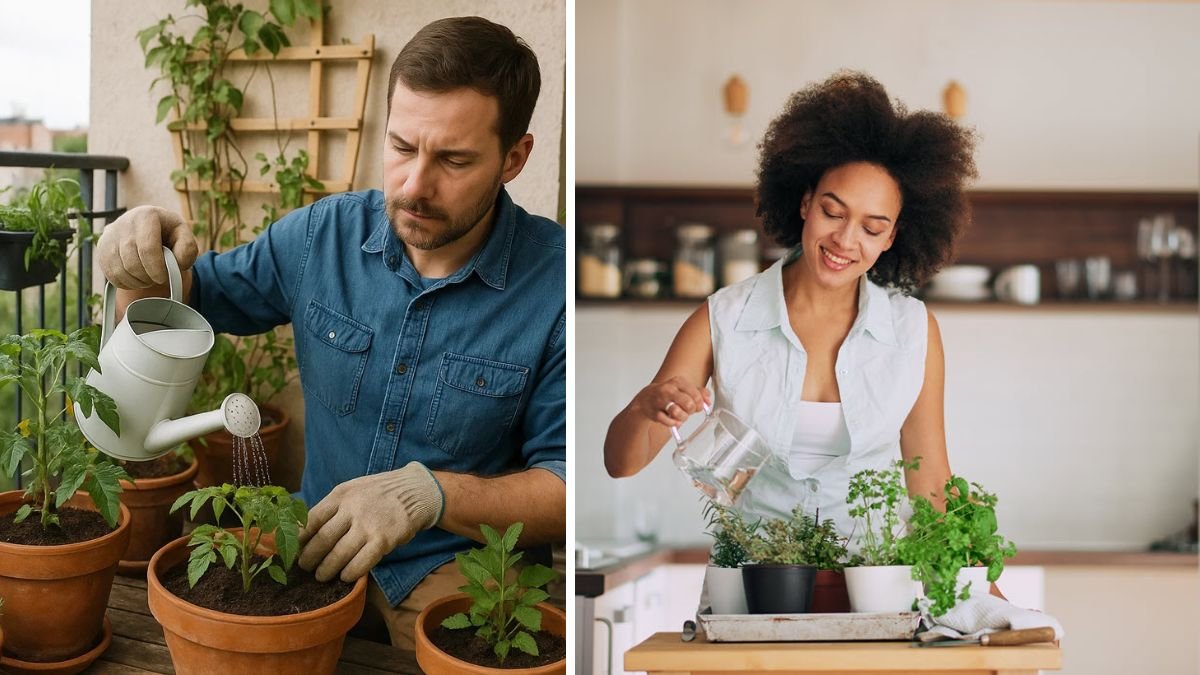

A sunny balcony is more than just an outdoor extension of your home—it’s an opportunity to grow fresh herbs that elevate your cooking and bring vibrant life into your daily routine. With the right herb selection and a little planning, you can transform your balcony into a productive mini herb garden that supplies fresh flavor year-round.
This ultimate guide will help you choose the best herbs for a sunny balcony, understand their growing needs, and maximize both flavor and harvest for everyday cooking.
Why a Sunny Balcony Is Perfect for Herbs
Most culinary herbs originate from warm, sun-drenched regions, making a sunny balcony an ideal growing environment. With 6–8 hours of direct sunlight, herbs develop stronger aromas, richer essential oils, and better flavor intensity.
Benefits of growing herbs on a sunny balcony:
- Easy access to fresh ingredients
- Better control over quality and freshness
- Reduced grocery costs
- Enhanced cooking flavor
- Aromatic and visually pleasing space
Understanding Sun Exposure on Your Balcony
Before choosing herbs, observe how sunlight moves across your balcony.
- Full sun: 6–8+ hours of direct sunlight (ideal for most herbs)
- Partial sun: 4–6 hours (still suitable for many)
- Reflective heat: South- or west-facing balconies may get intense afternoon sun
Knowing this helps you match herbs to conditions and prevent sun stress.
Top Herbs That Thrive in Sunny Balcony Conditions
1. Basil – The Balcony Favorite
Basil thrives in warmth and sunshine, making it perfect for balconies.
Why grow it:
- Essential for Italian, Thai, and Mediterranean dishes
- Fast-growing and highly productive
Growing tips:
- Needs at least 6 hours of sun
- Water consistently
- Pinch tops regularly to encourage bushy growth
2. Rosemary – Flavorful and Hardy
Rosemary loves sun and tolerates heat exceptionally well.
Why grow it:
- Excellent for roasted vegetables, meats, and breads
- Woody perennial in warm climates
Growing tips:
- Requires excellent drainage
- Water sparingly
- Use larger pots for long-term growth
3. Thyme – Small Plant, Big Flavor
Thyme is compact, aromatic, and easy to grow.
Why grow it:
- Ideal for soups, sauces, and roasted dishes
- Low maintenance
Growing tips:
- Prefers full sun
- Tolerates dry soil
- Perfect for shallow containers
4. Oregano – Mediterranean Essential
Oregano thrives in heat and sun.
Why grow it:
- Staple herb for pizza, pasta, and grilled dishes
- Strong flavor intensifies with sun exposure
Growing tips:
- Allow soil to dry between watering
- Trim regularly to prevent legginess
5. Mint – Best With Control
Mint loves sun but grows aggressively.
Why grow it:
- Perfect for drinks, salads, and desserts
- Very hardy and productive
Growing tips:
- Always grow in its own pot
- Regular harvesting keeps it under control
6. Sage – Bold and Aromatic
Sage thrives in full sun and dry conditions.
Why grow it:
- Excellent with poultry, butter sauces, and stuffing
- Attractive silvery leaves
Growing tips:
- Avoid overwatering
- Use well-draining soil
Choosing the Right Containers
The right container makes a big difference.
Best container features:
- Drainage holes
- Light-colored pots (reduce heat buildup)
- Size matched to root depth
Recommended sizes:
- Basil, mint: 8–10 inches
- Rosemary, sage: 12 inches or more
- Thyme, oregano: 6–8 inches
Soil and Drainage Essentials
Herbs dislike soggy soil.
Ideal soil mix:
- High-quality potting mix
- Added sand or perlite for drainage
- Compost for nutrients
Avoid garden soil—it compacts too easily in pots.
Watering for Flavor, Not Just Growth
Overwatering dilutes flavor.
Best practices:
- Water when top inch is dry
- Morning watering is ideal
- Ensure excess water drains freely
Mediterranean herbs prefer slightly dry soil between watering.
Harvesting for Maximum Flavor
Harvesting correctly improves both yield and taste.
Tips:
- Harvest in the morning
- Never remove more than one-third of the plant
- Regular trimming encourages new growth
Fresh herbs are most flavorful just before flowering.
Designing a Functional Balcony Herb Layout
To maximize space:
- Place taller herbs at the back
- Group herbs with similar watering needs
- Use railing planters and shelves
- Leave airflow space between pots
A tidy layout makes harvesting easier and plants healthier.
Common Balcony Herb Problems and Solutions
- Wilting: Likely underwatering or heat stress
- Yellow leaves: Overwatering or poor drainage
- Weak flavor: Insufficient sun
Adjust placement and care rather than replacing plants immediately.
Final Thoughts
A sunny balcony can become a powerful extension of your kitchen. By choosing the right herbs, containers, and care routine, you’ll enjoy fresh flavor just steps away from your stove. Cooking with herbs you grow yourself doesn’t just improve meals—it changes how you experience food.