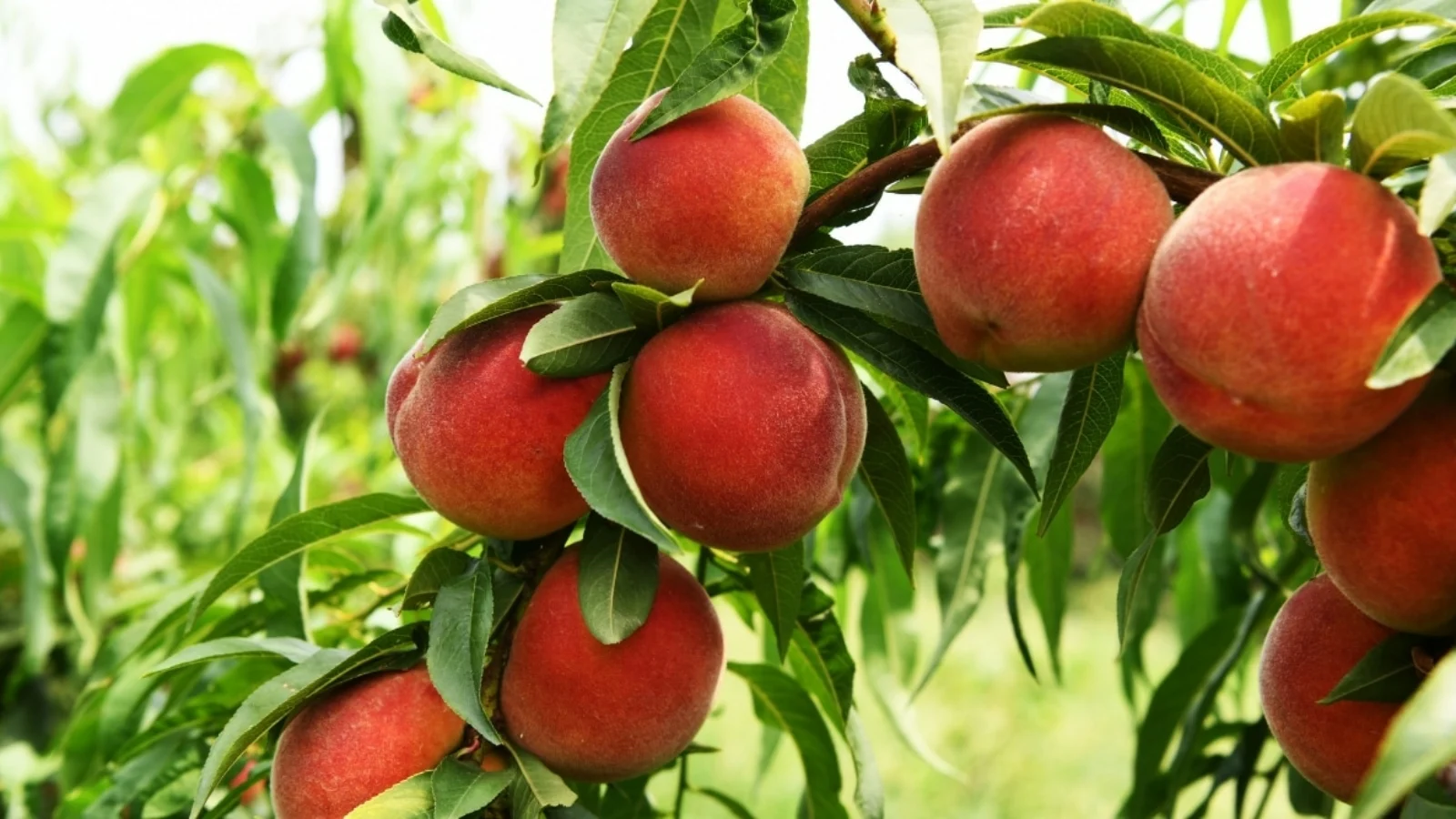

Few backyard gardening experiences are as rewarding as harvesting ripe, juicy peaches from your own tree. Peach trees are not only productive but also beautiful, with fragrant blossoms in spring and vibrant fruit in summer. With proper care and planning, you can enjoy abundant harvests year after year.
This complete guide will walk you through how to grow a backyard peach tree for maximum fruit production, from planting to harvesting.
Choosing the Right Peach Variety
Not all peach trees are the same. Selecting the right variety is crucial for success.
Key factors to consider:
- Climate and chill hours
- Disease resistance
- Tree size (standard, semi-dwarf, or dwarf)
Popular varieties include Elberta, Redhaven, and Reliance. Choose a variety suited to your local climate.
Selecting the Perfect Planting Location
Peach trees thrive in sunlight.
Ideal location requirements:
- 6–8 hours of full sun daily
- Well-draining soil
- Protection from strong winds
- Elevated ground to prevent frost damage
Avoid low-lying areas where cold air settles.
Preparing the Soil
Healthy soil leads to healthy fruit.
Soil requirements:
- Loamy, well-draining soil
- pH between 6.0 and 6.5
- Rich in organic matter
Before planting, mix compost or aged manure into the soil to improve fertility.
How to Plant a Peach Tree
Step-by-Step Planting Guide
- Dig a hole twice as wide as the root ball
- Place the tree so the graft union sits above soil level
- Backfill with soil and compost
- Water deeply
- Mulch around the base, keeping it away from the trunk
Plant during early spring or fall for best results.
Watering for Optimal Growth
Peach trees need consistent moisture, especially during fruit development.
Watering tips:
- Deep water once or twice a week
- Increase watering during dry spells
- Avoid waterlogged soil
Drip irrigation works well for backyard orchards.
Fertilizing for Maximum Fruit Production
Proper feeding encourages healthy growth and fruiting.
Fertilization schedule:
- Apply balanced fertilizer in early spring
- Reduce nitrogen once fruit sets
- Add potassium and phosphorus for fruit development
Over-fertilizing can lead to lush leaves but poor fruit.
Pruning for Health and Productivity
Pruning is essential for peach trees.
Why pruning matters:
- Improves sunlight penetration
- Encourages airflow
- Promotes larger fruit
- Reduces disease risk
Prune annually in late winter, maintaining an open center shape.
Thinning the Fruit
Peach trees often produce more fruit than they can support.
Why thinning is important:
- Prevents branch breakage
- Produces larger, sweeter peaches
- Improves overall tree health
Thin fruit to 6–8 inches apart once peaches reach the size of a marble.
Pest and Disease Management
Common peach tree problems include:
- Aphids
- Peach leaf curl
- Borers
Preventive measures:
- Apply dormant oil sprays
- Keep the area clean
- Remove diseased leaves and fruit
- Encourage beneficial insects
Early intervention prevents major damage.
Harvesting Peaches at Peak Ripeness
Peaches are best harvested when fully ripe.
Signs of ripeness:
- Deep color
- Slight softness
- Sweet aroma
- Easy separation from the branch
Harvest gently to avoid bruising.
Caring for Your Tree After Harvest
Post-harvest care ensures next year’s success.
After-harvest tips:
- Continue watering
- Apply light fertilizer if needed
- Remove fallen fruit
- Prepare for winter protection
Final Thoughts
Growing a backyard peach tree is a long-term investment that delivers delicious rewards. With the right variety, proper care, and consistent maintenance, you can enjoy abundant harvests and fresh, homegrown peaches for many years. From spring blossoms to summer fruit, a peach tree adds beauty, flavor, and value to your garden.