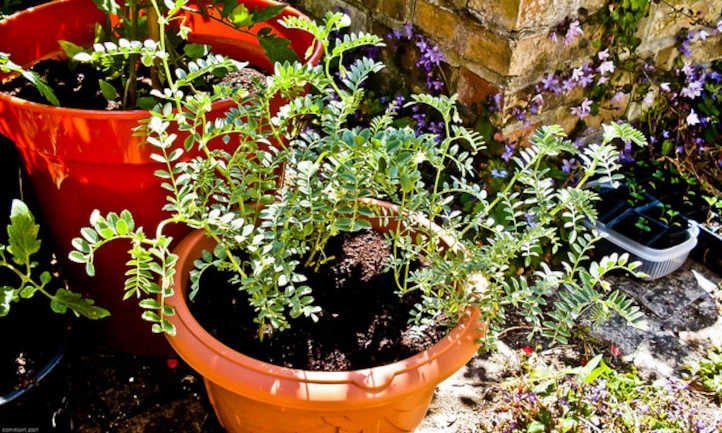

Chickpeas, also known as garbanzo beans, are nutritious, versatile, and surprisingly easy to grow—even if you don’t have a garden. With the right pot, soil, and care, you can successfully grow chickpeas on a balcony, patio, or small outdoor space.
This guide will take you step by step through how to grow chickpeas in a simple garden pot, from planting seeds to harvesting your own homegrown crop.
Why Grow Chickpeas in Pots?
Growing chickpeas in containers offers several advantages:
- Perfect for small spaces
- Better control over soil quality
- Reduced pest and disease problems
- Easy maintenance and harvesting
Chickpeas are hardy plants and adapt well to container gardening when given proper conditions.
Choosing the Right Chickpea Variety
There are two main types:
- Desi chickpeas – smaller, darker, and more heat-tolerant
- Kabuli chickpeas – larger, cream-colored, and commonly found in stores
For container gardening, both work well, but desi varieties often perform better in hot climates.
Selecting the Perfect Pot
Chickpeas develop deep roots, so pot size matters.
Ideal pot requirements:
- Minimum 10–12 inches deep
- At least 10 inches wide per plant
- Drainage holes at the bottom
Fabric pots, clay pots, or plastic containers all work as long as drainage is adequate.
Best Soil for Chickpeas
Chickpeas prefer light, well-draining soil.
Ideal soil mix:
- 60% quality potting soil
- 30% compost or aged manure
- 10% sand or perlite for drainage
Avoid heavy, compacted soil, which can cause root rot.
How to Plant Chickpeas in a Pot
Step 1: Soak the Seeds
Soak dried chickpeas in water for 8–12 hours before planting to speed up germination.
Step 2: Planting
- Plant seeds 1–2 inches deep
- Space seeds 3–4 inches apart
- Water gently after planting
Germination usually occurs within 7–14 days.
Sunlight and Temperature Needs
Chickpeas are sun-loving plants.
Requirements:
- 6–8 hours of direct sunlight daily
- Ideal temperatures: 70–85°F (21–29°C)
Place pots in the sunniest spot available.
Watering Chickpeas Correctly
Chickpeas are drought-tolerant once established but still need regular watering.
Watering tips:
- Water when the top inch of soil feels dry
- Avoid waterlogging
- Reduce watering once pods start forming
Overwatering is one of the most common mistakes.
Fertilizing Chickpeas
Chickpeas are legumes and naturally fix nitrogen, meaning they require minimal feeding.
Best practice:
- Mix compost into soil before planting
- Avoid nitrogen-heavy fertilizers
- A light potassium boost during flowering can help pod formation
Supporting the Plants
Some chickpea varieties grow bushy and upright, while others may sprawl.
Solution:
- Use small stakes or a tomato cage if plants begin to lean
- Support improves airflow and reduces disease risk
Common Problems and Solutions
Yellowing Leaves
Usually caused by overwatering or poor drainage.
Few Flowers or Pods
Often due to excessive nitrogen or insufficient sunlight.
Pests
Aphids and caterpillars are the most common.
- Use neem oil or insecticidal soap
- Inspect plants regularly
Harvesting Chickpeas
Chickpeas can be harvested in two ways:
Green Chickpeas
- Harvest when pods are still green
- Eat fresh or lightly cooked
Dried Chickpeas
- Allow pods to turn brown and dry on the plant
- Stop watering near harvest time
- Pull the plant and dry further indoors if needed
Once dry, remove seeds and store them in an airtight container.
Final Tips for Success
- Choose a sunny location
- Use deep pots with good drainage
- Don’t overwater
- Be patient—chickpeas take 90–120 days to mature
Growing chickpeas in a pot is rewarding, cost-effective, and satisfying. With minimal effort, you can enjoy fresh, homegrown legumes straight from your own space.