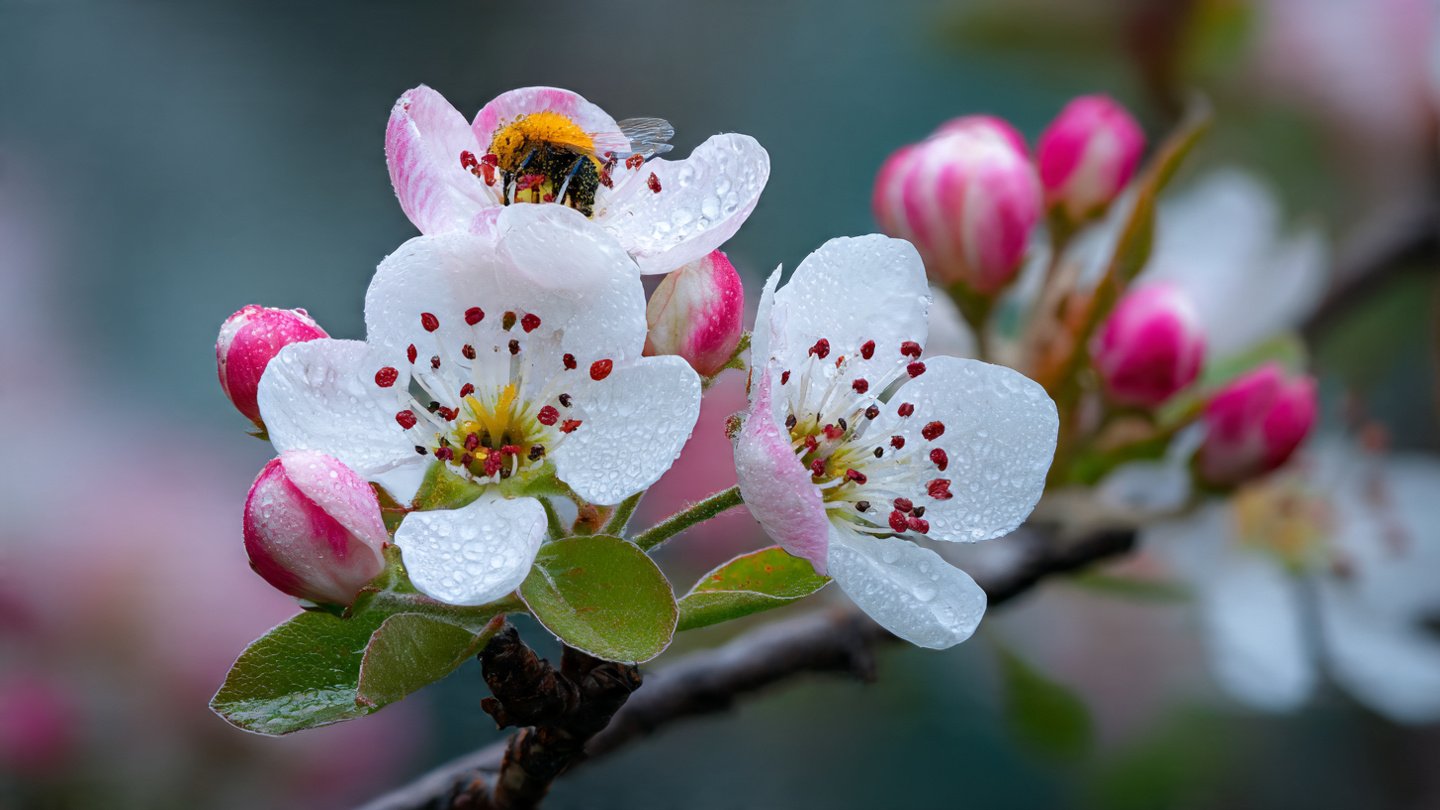

Fruit trees are a delightful addition to any garden, bringing color, fragrance, and the promise of tasty harvests. However, many gardeners experience frustration when their fruit trees struggle to produce fruit despite looking healthy. One of the primary reasons for this poor yield is inadequate pollination. Let’s delve into the secrets behind the poor pollination of your fruit trees and explore how to improve their chances of success.
The Importance of Pollination
Pollination is the process by which pollen is transferred from the male parts of a flower (anthers) to the female parts (stigmas). This critical step allows for fertilization, leading to fruit and seed development. In fruit trees, effective pollination is crucial for achieving a bountiful harvest. Many fruit trees require cross-pollination, where pollen from a different variety is necessary for fertilization.
Factors Contributing to Poor Pollination
1. Lack of Pollinators
The most apparent factor affecting pollination is the involvement of pollinators. Bees, butterflies, and other insects play a vital role in transferring pollen. A decline in pollinator populations, attributed to habitat loss, pesticide use, disease, and climate change, can significantly impact fruit tree pollination.
2. Poor Weather Conditions
Weather plays a crucial role during the flowering period. Extreme temperatures, rain, or wind can hinder pollinators’ activities. For instance, heavy rain can wash away pollen, while wind can prevent pollen from landing on the stigmas of flowers. Ideally, fruit trees flourish in mild, dry weather during their blooming season.
3. Monoculture Practices
Gardening practices that focus on growing a single variety of fruit can lead to poor pollination. Many fruit trees require pollen from different varieties for successful fertilization. Thus, planting multiple varieties that bloom simultaneously can enhance the chances of cross-pollination.
4. Poor Tree Health
Unhealthy trees are more susceptible to problems with pollination. Factors such as nutrient deficiencies, diseases, and pests can affect a tree’s reproductive capabilities. Ensuring your trees are well-nourished and cared for can improve their ability to produce fruit.
5. Incorrect Pruning
Pruning is essential for promoting healthy growth and fruit production. However, incorrect pruning techniques can reduce flower production. Over-pruning can result in fewer blossoms, leading to inadequate fruit set. Understanding the appropriate pruning techniques for your specific fruit tree variety will help maintain its health and productivity.
6. Inadequate Pollinator Habitat
Pollinators require a suitable habitat to thrive. Urbanization and agricultural developments often create “pollinator deserts” where bees and other insects can’t find food or shelter. By planting native flowers and maintaining a diverse landscape, you can attract pollinators to your garden.
7. Timing of Bloom
Timing is crucial when it comes to pollination. If your flowers bloom too early or too late, they may miss the peak activity periods of local pollinators. Aligning your fruit trees’ blooming time with the natural life cycle of pollinators can significantly enhance pollination efficiency.
Strategies to Improve Pollination
1. Encourage Pollinator Populations
Creating a pollinator-friendly garden is essential. Planting various flowering plants, providing nesting sites, and reducing pesticide usage can attract and sustain local pollinator populations. Features like bee hotels, wildflower gardens, and water sources can also support these vital insects.
2. Choose the Right Varieties
Planting compatible varieties of fruit trees can significantly enhance pollination. Research the best varieties for cross-pollination for your specific fruit trees. For example, sweet cherries often require pollen from a different cherry variety for successful fruit set.
3. Foster Optimal Growth Conditions
Ensure that your fruit trees are healthy by providing ample nutrients, water, and sunlight. Regularly monitor for pests and diseases, addressing any issues promptly. Healthy trees are more productive and resilient.
4. Proper Pruning
Learn the right pruning techniques for your fruit tree species. Pruning enhances airflow and light penetration, promoting flower production. Balance between removing the old wood for new growth while maintaining enough branches to support blossoms.
5. Monitor Weather Conditions
Stay informed about the weather forecasts during the blooming season. if adverse conditions are expected, consider covering young blossoms with protective materials to safeguard against harsh weather effects.
Conclusion
Pollination is a critical aspect of fruit tree cultivation. Understanding the various factors that contribute to poor pollination is essential for any gardener. By fostering a healthy environment for both your fruit trees and pollinators, you can significantly increase your chances of a successful and bountiful harvest. The keys to success lie in ensuring you create a diverse and healthy ecosystem that supports thriving plants and the vital insects that pollinate them.
Frequently Asked Questions (FAQs)
1. How can I tell if my fruit trees are receiving enough pollen?
Look for fruit set on your trees. If flowers are consistently dropping without producing fruit, it may signify inadequate pollination. Additionally, monitoring cross-pollination compatibility between varieties can help ascertain pollinator efficiency.
2. What can I plant to attract more pollinators to my garden?
Planting a variety of flowering plants such as wildflowers, lavender, sunflowers, and native plants can help attract pollinators. Aim for a diverse planting scheme that flowers at different times throughout the growing season.
3. Why do some fruit trees need cross-pollination while others do not?
Some fruit tree varieties are self-pollinating, meaning they can produce fruit from their pollen. Others require pollen from a different variety to initiate fertilization due to the need for genetic diversity.
4. Can I increase the number of fruit set by hand-pollinating my trees?
Yes, hand-pollination can be effective for certain fruit trees, especially if natural pollination is low. Using a small paintbrush, transfer pollen from the male anthers to the female stigmas during the blooming period.