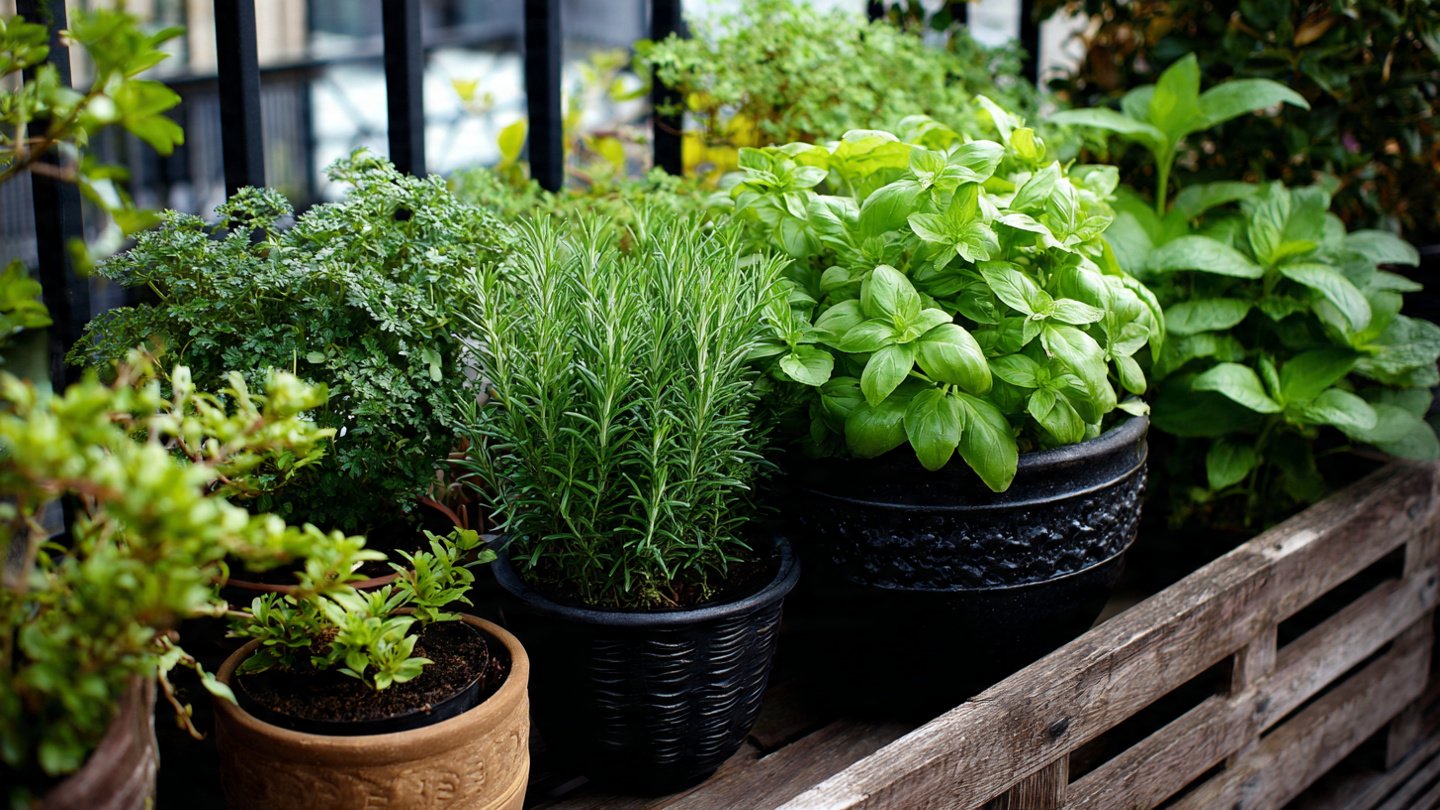

Creating a lush herb garden on your sunny balcony can transform your cooking. Fresh herbs not only elevate the flavor of your dishes but also add nutritional value and provide a beautiful aesthetic. This guide will take you through the essential herbs to consider, how to grow and care for them, and the culinary inspirations that come with each herb.
Why Herbs?
Herbs are immensely valuable in the culinary world. They can brighten up any dish, adding layers of flavor that dried herbs cannot achieve. Fresh herbs can also elevate the visual appeal of your meals, making your cooking feel more special. Plus, growing herbs can be a rewarding and therapeutic hobby. With the right conditions, herbs such as basil, thyme, rosemary, and mint can flourish beautifully on a sunny balcony.
Choosing the Right Location
A sunny balcony is ideal for growing herbs, but the specific conditions can vary:
- Sunlight: Most herbs require at least six hours of full sun each day. Observe your balcony throughout the day to determine the best spots for optimal sunlight exposure.
- Wind Protection: Tall buildings or other structures can create wind tunnels. If your balcony is in a windy area, consider placing barriers like latticework.
- Accessibility: Choose a location that is easy for you to reach for watering and harvesting.
Essential Herbs for Your Sunny Balcony
1. Basil
Flavor Profile: Sweet, aromatic
Basil is a favorite in Italian cuisine, perfect for making pesto, Caprese salad, or adding freshness to tomato sauce.
Growing Tips:
- Plant basil in well-draining soil and ensure it receives plenty of sunlight.
- Water frequently but avoid waterlogging.
- Regularly pinch off the blossoms to encourage bushier growth.
2. Mint
Flavor Profile: Cool, refreshing
Mint is an excellent herb for sweet and savory dishes alike. Use it in teas, desserts, or as a garnish for salads and lamb dishes.
Growing Tips:
- Mint can be invasive, so it’s best planted in a pot.
- Ensure good drainage and regular watering.
- Pinch leaves regularly to promote growth.
3. Rosemary
Flavor Profile: Earthy, pine-like
Rosemary works beautifully in roasted meats, potatoes, and breads. Its robust flavor pairs well with hearty dishes.
Growing Tips:
- Requires well-drained soil and plenty of sunlight.
- Water infrequently but deeply, allowing the soil to dry out between watering.
- Prune regularly to maintain a full bush.
4. Thyme
Flavor Profile: Earthy, floral
Thyme is versatile and can be used in a plethora of dishes, from stews to roasted vegetables.
Growing Tips:
- Prefers well-draining soil and full sun.
- Avoid overwatering; thyme prefers drier conditions.
5. Parsley
Flavor Profile: Fresh, slightly peppery
Parsley is a staple garnish that also adds flavor to dishes like tabbouleh or chimichurri.
Growing Tips:
- Plant in rich, well-drained soil.
- Water regularly and fertilize every few weeks to encourage growth.
6. Dill
Flavor Profile: Sweet, grassy
Dill is commonly used in pickling, as well as in fish and yogurt dishes.
Growing Tips:
- Requires full sun and well-drained soil.
- Dill thrives in cooler temperatures, so plant it in early spring or fall.
7. Chives
Flavor Profile: Mild onion flavor
Chives are a delightful addition to salads, soups, and potato dishes.
Growing Tips:
- Chives need at least six hours of sunlight and well-drained soil.
- Water them regularly and cut the foliage to encourage new growth.
Planting and Maintaining Your Herb Garden
Soil and Containers
- Soil: Use high-quality potting soil designed for container gardening. A mix with good drainage and organic matter will work best.
- Containers: Choose pots with drainage holes. Standard ceramic or terracotta pots allow soil to dry well, which is especially important for herbs.
Watering
- Herbs generally prefer to dry out a little between watering. Overwatering can lead to root rot, so check the soil moisture before adding more water.
- Morning is the best time to water, allowing excess moisture to evaporate before evening.
Fertilizing
- Use a balanced, slow-release fertilizer to nourish your herbs.
- Liquid fertilizers can be applied every few weeks during the growing season for a nutrient boost.
Pruning and Harvesting
- Regularly prune herbs to encourage growth and prevent flowering, which can make the leaves taste bitter.
- Harvesting should be done in the morning when the oils are at their peak.
- Use clean scissors or shears to avoid damaging the plants.
Cooking with Your Herbs
Once your herbs are thriving, the fun part begins—cooking with them! Here are several ways to incorporate your fresh herbs into your culinary creations:
Salads
Fresh herbs can be added directly to salads for extra flavor. For instance, fresh mint or basil can give your salad a refreshing twist.
Sauces and Dressings
Make homemade salad dressings or sauces using your herbs. Basil pesto or a chimichurri sauce made with parsley and oregano can elevate any dish.
Soups and Stews
Add herbs like thyme, dill, or parsley towards the end of the cooking process to maintain their flavors.
Meats and Fish
Herbs like rosemary and chives are wonderful when mixed with marinades or used as a rub for meats and fish.
Beverages
Fresh herbs can enhance beverages too! Think mint in sparkling water, basil in lemonade, or rosemary-infused gin and tonics.
Challenges to Anticipate
While growing herbs can be relatively simple, challenges can arise. Here are common issues to consider:
- Pests: Watch for aphids, whiteflies, or spider mites. A gentle spray of water can often dislodge pests, or you can use insecticidal soap.
- Disease: Root rot can occur from overwatering, so be vigilant about drainage. Fungal diseases like powdery mildew may appear if air circulation is poor.
- Sunburn: If your herbs are receiving too much direct sunlight, leaves may become scorched. Consider partial shade during intense heat waves.
Seasonal Considerations
Summer
During the summer, herbs will thrive, so focus on regular watering and harvesting. This is also the time to experiment with fresh recipes.
Fall
As temperatures drop, consider bringing pots indoors if they’re not frost-hardy. Continue to harvest leaves as long as the plant appears healthy.
Winter
Some herbs may die back, while others can survive indoors with proper care. Consider growing herbs like chives or parsley on a sunny windowsill.
Spring
This is the perfect time to start sowing seeds or transplanting any survivors from winter. Fresh growth will kick off your cooking efforts.
Conclusion
Having a sunny balcony filled with fresh herbs enriches not only your kitchen but also your culinary adventures. The ability to pick fresh herbs to enhance your dishes is rewarding and transformative. By choosing the right herbs, maintaining them properly, and utilizing them in your cooking, you can take everyday meals to extraordinary heights. So gather your pots, fill them with soil, and get ready to discover the wonderful world of homegrown herbs—the secret ingredient to your delicious meals!