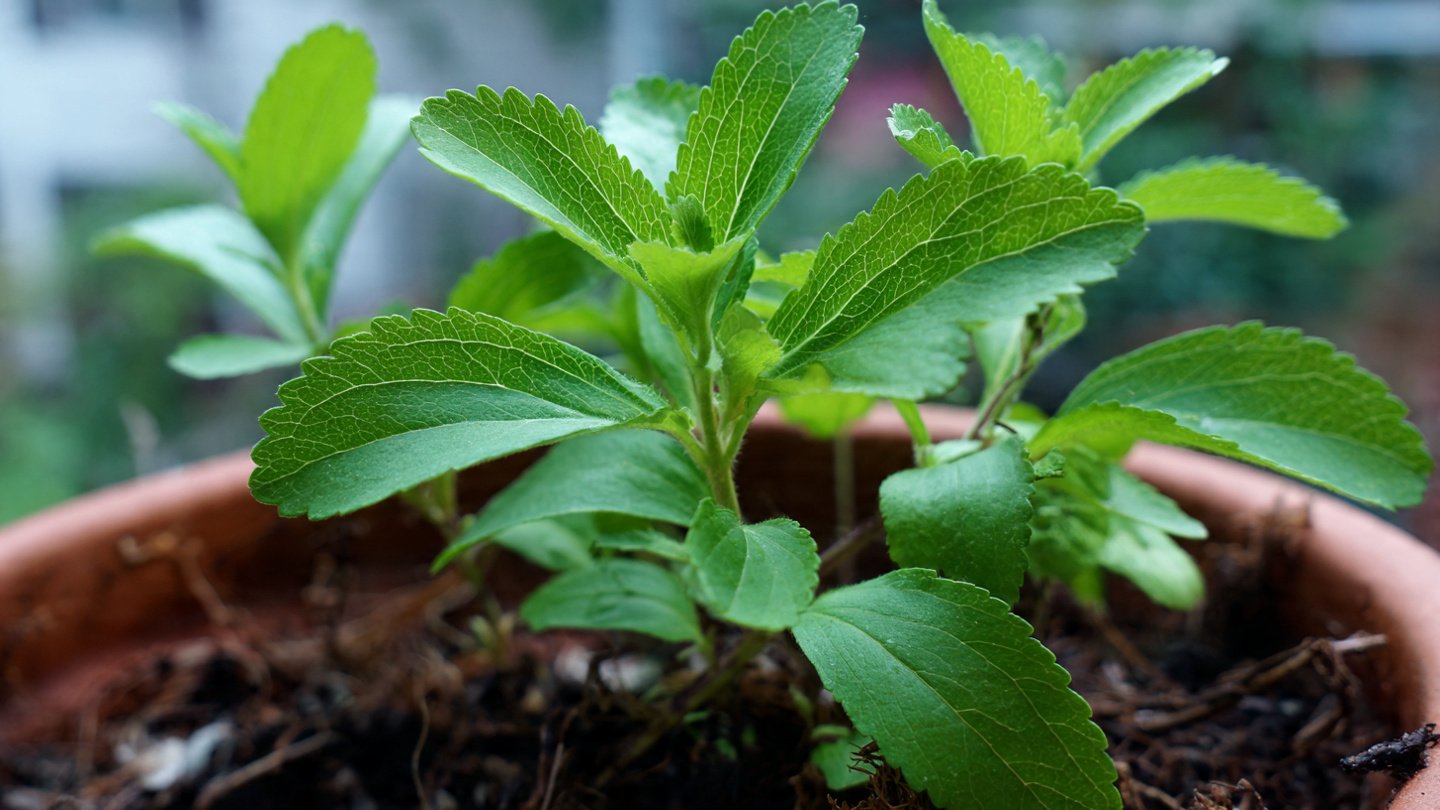

As more people seek natural alternatives to refined sugar, stevia has gained popularity as a natural sweetener. This interest has led many to consider growing their own stevia at home. But is it feasible? In this article, we will explore the benefits of growing stevia, how to cultivate it, and the practicalities involved in using this natural sweetener.
Understanding Stevia
Stevia (Stevia rebaudiana) is a plant native to South America, particularly Paraguay and Brazil. The leaves of this plant are known for their sweetness, which is attributed to compounds called steviol glycosides. These compounds can be up to 300 times sweeter than sugar, making stevia an appealing alternative for those looking to reduce their sugar intake.
Health Benefits of Stevia
One of the main reasons people gravitate toward stevia is its potential health benefits:
- No Calories: Stevia provides sweetness without adding calories, making it a great option for weight management.
- Blood Sugar Regulation: Stevia may help regulate blood sugar levels, making it a suitable choice for those with diabetes.
- Natural Origin: Unlike many artificial sweeteners, stevia comes from a plant source, appealing to those who prefer natural foods.
Growing Stevia: The Basics
Growing your own stevia is relatively simple, and it can be done in various settings, including gardens, pots, or even indoors. Below are the fundamental steps to guide you through the process:
1. Choosing the Right Environment
Stevia thrives in warm climates with plenty of sunlight. Ideally, the plant should receive 6-8 hours of direct sunlight each day. You can choose to grow stevia outdoors in your garden or use pots that can be placed in a sunny location. If you live in a colder climate, consider starting your stevia indoors or using a greenhouse.
2. Preparing the Soil
Stevia prefers well-drained soil rich in organic matter. A slightly acidic to neutral pH (between 6.0 and 7.0) is ideal. To prepare the soil, you can mix compost or well-rotted manure into the existing soil to improve its nutrient content and drainage capabilities.
3. Planting Stevia Seeds or Cuttings
You can propagate stevia either through seeds or cuttings:
- Seeds: If starting from seeds, plant them about 1/4 inch deep and leave sufficient space between each seed, as stevia can grow large.
- Cuttings: Alternatively, you can take cuttings from an existing stevia plant. Place the cuttings in water until they develop roots, then transplant them into the soil.
4. Watering and Care
Stevia requires moderate watering, especially during dry spells. Be careful not to overwater, as this can lead to root rot. A general rule is to water the plant when the top inch of soil feels dry. Additionally, keep an eye out for pests like aphids and spider mites, which can affect plant health.
5. Harvesting Stevia
Harvesting stevia is a rewarding part of the process. The leaves contain the highest concentration of sweetness just before flowering. You can begin to harvest once the plant reaches about 12 inches tall. Use scissors to snip off leaves or entire stems, and ensure to leave some leaves on the plant for continued growth.
Using Stevia as a Sweetener
Once harvested, you can use stevia leaves in various ways:
- Fresh Leaves: Use fresh leaves to sweeten tea or desserts.
- Dried Leaves: Air-dry the leaves and grind them into powder to create a natural sweetener for cooking or baking.
- Extracts: For a more potent sweetening option, you can make your own stevia extract by soaking the leaves in alcohol, then straining the liquid.
Challenges of Growing Stevia
While growing your own stevia can be beneficial, there are some challenges to consider:
- Temperature Sensitivity: Stevia is sensitive to frost and must be protected in colder months.
- Slow Growth: Stevia can take several weeks to germinate and may grow slowly initially.
- Pest Management: Like any plant, stevia can be susceptible to pests and diseases, which may require intervention.
Conclusion
Growing your own stevia can be a rewarding experience and provide a natural, calorie-free sweetener for your dietary needs. With proper care and the right environment, you can cultivate this sweet herb and enjoy the many benefits it offers. While challenges exist, the satisfaction of harvesting and using your own stevia makes the effort worthwhile.
FAQs
1. Can stevia be grown indoors?
Yes, stevia can be grown indoors as long as it receives sufficient sunlight, ideally through a south-facing window or under grow lights.
2. How long does it take for stevia to grow?
Stevia seeds typically take 2-3 weeks to germinate. Once planted, it can take around 3-4 months before the plant is ready for harvesting.
3. Is stevia safe for everyone to consume?
While stevia is generally considered safe for most people, those with allergies or hypersensitivity to plants in the Asteraceae family (like ragweed) should exercise caution.
4. How can I store harvested stevia?
Dried stevia leaves can be stored in an airtight container in a cool, dark place for several months. Fresh leaves should be used within a week or can be frozen for longer storage.
5. Can I use stevia in baking?
Yes, stevia can be used in baking, but because it is much sweeter than sugar, you’ll need to adjust the quantity used. It’s recommended to follow conversion guidelines based on the specific recipe.