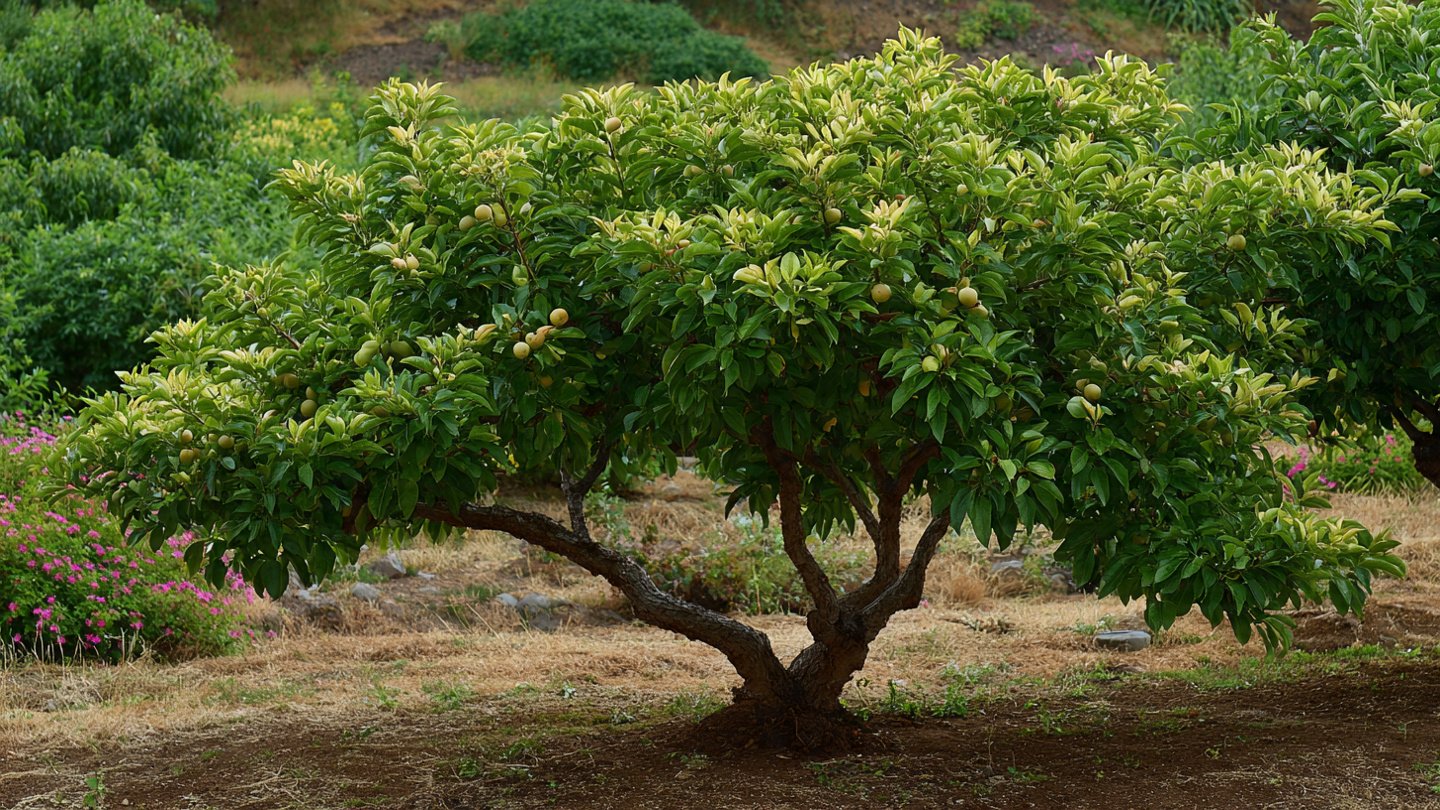

Fruit trees bring beauty, shade, and delicious harvests to our gardens and yards, creating a nurturing environment for families and wildlife alike. However, one of the challenges many gardeners face is dealing with leaning fruit trees. Whether it’s caused by poor root structure, harsh weather, or other environmental factors, a leaning tree can lead to various issues, including decreased fruit production and increased vulnerability to diseases. This article will explore why fruit trees might lean, how to identify the problem, and effective methods for bracing them.
Understanding the Causes of Leaning Fruit Trees
1. Poor Root Development
One of the primary reasons fruit trees lean is due to inadequate root systems. If a tree’s roots do not spread adequately into the soil, it can become unstable and lean to one side. This might be due to:
- Soil Compaction: Heavily compacted soil prevents roots from spreading, limiting the tree’s support.
- Improper Planting Depth: Trees planted too deep may struggle to establish a strong root system.
- Nutrient Depletion: Poor soil health can inhibit root growth, causing imbalance.
2. Environmental Factors
Various environmental conditions can lead to leaning:
- Wind: Strong winds can sway young or shallow-rooted trees, causing them to lean over time.
- Heavy Rain and Soil Saturation: Saturated soil can weaken root anchorage, leading to leaning.
- Uneven Growth: Trees may lean if one side grows faster due to better access to sunlight or nutrients.
3. Pests and Diseases
Certain pests and diseases can weaken trees or their root systems, causing them to lean:
- Root Rot: Fungal diseases can damage roots, resulting in instability.
- Pest Infestations: Pests like borers can weaken the tree’s structure, causing it to lean.
4. Mechanical Damage
Accidental damage during gardening activities or from animal interactions can result in leaning trees. Heavy pruning or damage to major limbs can compromise the tree’s balance.
Identifying the Problem
Before taking action, it’s important to diagnose the cause of the leaning. Observations and assessments can help:
- Visual Inspection: Look for signs of root exposure or damage, soil erosion, or uneven growth.
- Check for Pests: Look for holes, frass, or other indicators of pests.
- Assess Soil Conditions: Evaluate soil compaction and drainage.
How to Brace Leaning Fruit Trees
Once you’ve identified the cause of the lean, bracing can provide immediate support and encourage proper growth. Here’s a step-by-step guide on how to brace a leaning tree effectively.
1. Choose the Right Time
Bracing is best done in late winter or early spring when the tree is still dormant. This minimizes stress on the tree and allows for a smooth recovery as it begins to grow in the warmer months.
2. Materials Needed
Gather the following materials:
- Stakes: Use sturdy wooden or metal stakes, ideally about 6-8 feet long.
- Soft Straps or Ropes: Nylon straps or soft rope that won’t damage the bark.
- A Hammer or Mallet: For driving stakes into the ground.
- Level: To ensure the tree is straight after bracing.
- Garden Soil: For mounding if needed.
3. Assess the Lean
Position the tree in a vertical stance using a level. Determine the direction of the lean and choose a bracing method accordingly.
4. Drive Stakes into the Ground
- Placement: Drive two stakes into the ground on the opposite side of the lean, about 2-3 feet away from the tree trunk. For larger trees, use three stakes for better support.
- Depth: Ensure stakes are secured deep enough to withstand wind and the tree’s weight.
5. Attach Straps to the Tree
- Wrap Soft Straps: Gently wrap the soft straps around the trunk, ensuring they’re not too tight as this can damage the bark.
- Secure to Stakes: Attach the other end of the straps to the stakes, angling them slightly up to provide tension without constriction.
6. Mound Soil (if necessary)
If the tree is leaning due to shallow roots, consider adding soil around the base:
- Soil Mounding: Carefully mound soil around the base of the tree to cover exposed roots and promote deeper root growth, ensuring the tree is still vertical.
7. Monitoring the Tree
Once bracing is complete, monitor the tree regularly:
- Adjust Tension: Ensure that the straps do not become too tight.
- Check Tree Growth: If the tree begins to straighten, you may need to adjust or remove the bracing gradually.
- Look for Signs of Stress: Watch for leaf drop, discoloration, or new growth patterns that indicate problems.
8. Remove Bracing
Over time, the tree should regain stability. Depending on the species and growth habits, this can take 1-3 years.
- Gradual Removal: Start loosening the straps and stakes gradually to allow the tree to adjust. Remove them entirely when the tree stands straight under its own weight.
Prevention Strategies
Preventing leaning fruit trees is much easier than correcting them. Here are some strategies to consider:
1. Proper Planting Techniques
- Soil Preparation: Ensure that the planting hole is wide and deep, allowing for root expansion. Use well-draining soil mixed with organic matter.
- Planting Depth: Avoid planting too deeply, keeping the root crown at soil surface level.
2. Support Young Trees
- Staking Young Trees: When planting, stake young trees to provide support until they establish a robust root system. Remove support as they grow.
3. Regular Maintenance
- Inspect Your Trees: Regularly check for signs of pests or diseases and address any issues immediately.
- Prune Wisely: Proper pruning can help maintain balance in the tree’s structure, distributing weight and preventing lean.
4. Manage Soil Conditions
- Aerate Compacted Soil: Use mechanical aerators to loosen compacted soil around the root zone.
- Avoid Overwatering: Ensure that water drains well and does not create overly saturated conditions.
Conclusion
Leaning fruit trees can pose challenges for gardeners, impacting both the aesthetics and productivity of your garden. Understanding the root causes of this issue, implementing effective bracing techniques, and maintaining proper care can greatly improve the health and stability of your trees. By taking proactive steps to prevent leaning, you ensure that your garden remains vibrant, fruitful, and an inviting space for generations to come. With patience and dedication, your leaning tree can be rehabilitated, allowing you to enjoy its fruits for years ahead.