
Introduction
The snake plant, also known as Sansevieria or mother-in-law’s tongue, is a popular houseplant celebrated for its striking appearance and remarkable resilience. Among the various species of snake plants, Sansevieria trifasciata (commonly known as the mother-in-law’s tongue) stands out for its near-indestructibility. This article explores the characteristics that contribute to this plant’s reputation, how to care for it, and why it has become a favorite among both novice and experienced plant enthusiasts.
The Unique Features of the Snake Plant
1. Structure and Appearance
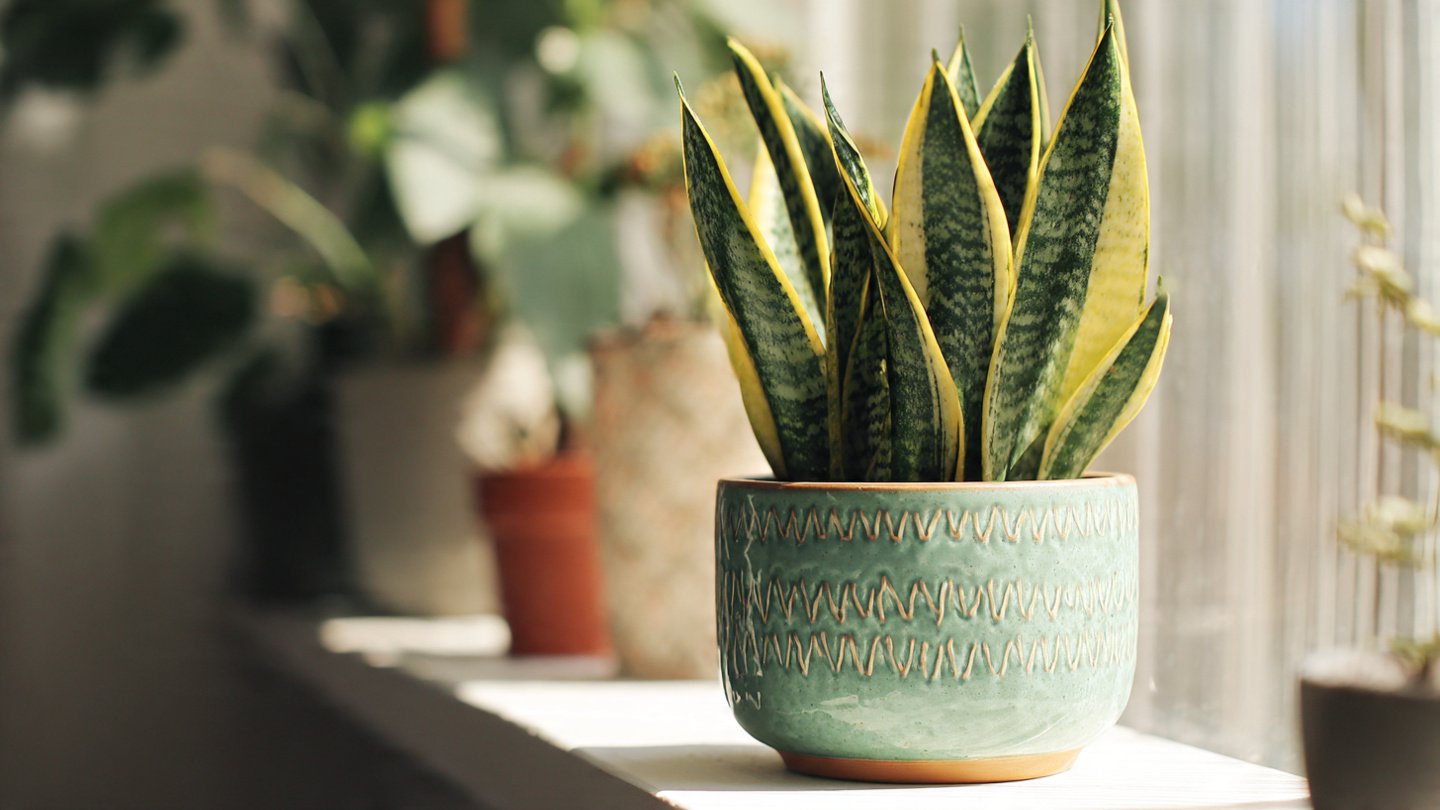
Snake plants boast long, upright leaves with a unique architectural shape. They often have a green color accented by lighter stripes or bands, giving them a distinctive look. The leaves can grow anywhere from 12 to 36 inches tall, depending on the specific variety. This striking appearance makes the plant an attractive addition to any space, whether it’s a modern office or a cozy home.
2. Tough Leaf Composition
The leaves of Sansevieria trifasciata are thick and leathery, containing a high level of moisture. This inherent water retention not only allows the plant to survive long periods between watering but also makes it resistant to drought and other environmental stressors. The waxy coating on the surface of the leaves reduces transpirational moisture loss, enabling the plant to endure dry conditions that might decimate other houseplants.
Care Requirements
1. Light Conditions
One of the primary reasons the snake plant is deemed nearly indestructible is its adaptability to various lighting conditions. While it flourishes in bright, indirect sunlight, it can also thrive in low-light environments. This makes it ideal for spaces where other plants might struggle to survive.
2. Watering Needs
The snake plant has minimal watering requirements compared to many other houseplants. It’s crucial to allow the soil to dry out completely between waterings, as excessive moisture can lead to root rot. A general rule of thumb is to water once every two to six weeks, depending on humidity levels and the season. This forgiving watering schedule is especially beneficial for those who may forget to water their plants regularly.
3. Soil and Potting
Another aspect contributing to the serpent plant’s resilience is its soil preferences. A well-draining potting mix, such as cactus soil or a combination of potting soil and perlite, allows for optimal drainage. Snake plants do not require frequent repotting; they can thrive in smaller pots, making them suitable for various environments.
4. Fertilization
While many houseplants require regular fertilization, snake plants are less demanding. A general-purpose liquid fertilizer diluted to half strength can be applied once during the growing season (spring and summer). Over-fertilizing may lead to issues, making it a low-maintenance choice for busy individuals.
Environmental Tolerance
1. Temperature Resilience
Snake plants are native to West Africa, where they grow in diverse environments. As such, they can tolerate a wide range of temperatures—from 50°F (10°C) to 85°F (29°C)—making them suitable for many climates. However, it’s best to keep them away from cold drafts, which can stress the plant.
2. Humidity Levels
Unlike many houseplants that thrive in high humidity, snake plants prefer drier conditions. They are quite tolerant of low humidity, which makes them a perfect choice for indoor environments where moisture levels might fluctuate. One of the key reasons people consider snake plants to be nearly indestructible is their ability to withstand neglect, which often accompanies low humidity.
3. Pest and Disease Resistance
Snake plants are relatively resistant to pests and diseases, with few natural predators. They can occasionally attract mealybugs or spider mites, but these pests can typically be managed with simple remedies such as insecticidal soap or neem oil. The durable structure of the leaves makes them less appealing to most insects, further cementing their status as a resilient plant.
Air Purification Properties
1. NASA’s Clean Air Study
In 1989, NASA conducted a study to identify plants that effectively purify indoor air. The snake plant emerged as one of the top performers, capable of filtering formaldehyde, xylene, toluene, and other harmful compounds. This means not only does the snake plant require minimal care, but it also contributes to improving air quality, making it a functional addition to any home or office.
2. Photosynthesis at Night
Another remarkable feature of the snake plant is its unique form of photosynthesis called CAM (Crassulacean Acid Metabolism). Unlike most plants that release oxygen during the day, the snake plant absorbs carbon dioxide and releases oxygen at night, helping to enhance air quality in bedrooms and living spaces.
Popular Varieties
There are several varieties of snake plants, each with unique attributes. Some popular choices include:
1. Sansevieria trifasciata ‘Laurentii’
This variety features tall, stiff leaves with a yellow edge, giving it a vibrant look. It’s particularly popular due to its ornamental value and resilience.
2. Sansevieria trifasciata ‘Zeylanica’
This variety has darker green leaves with silver bands. It is prized for its hardiness and can grow in low-light conditions, showcasing its adaptability.
3. Sansevieria cylindrica
Also known as the cylindrical snake plant, this type has round, tubular leaves that can grow upright. It’s another resilient choice that’s visually appealing.
Popularity and Cultural Significance
Snake plants have surged in popularity over the past few years, largely due to the trend of indoor gardening and the demand for low-maintenance plants. Social media platforms such as Instagram and Pinterest have showcased these plants in a variety of creative arrangements, further driving interest.
1. Feng Shui
In many cultures, snake plants are associated with positive energy and good fortune. In Feng Shui, they are believed to bring a sense of tranquility and purification to the environment. Their resilience symbolizes strength, making them a popular choice in homes and offices where a calming atmosphere is desired.
2. Gifts and Home Décor
Because of their hardiness, snake plants make for excellent gifts. They are often given during events like housewarmings, as they symbolize prosperity due to their low-maintenance nature. Additionally, they can complement any interior décor, pairing well with various styles—from modern to rustic.
Conclusion
The snake plant, particularly Sansevieria trifasciata, has rightfully earned its title of being nearly indestructible. Its unique structure, adaptable care requirements, and air-purifying properties make it a fantastic choice for those looking to add a touch of greenery to their lives without the stress of high maintenance. As urban living spaces continue to grow and evolve, the snake plant serves as a testament to the beauty and durability of nature, proving that not all plants are delicate and dependent. So, whether you’re a seasoned plant parent or just venturing into the world of indoor gardening, the snake plant promises to be a resilient companion that breathes life into any space.