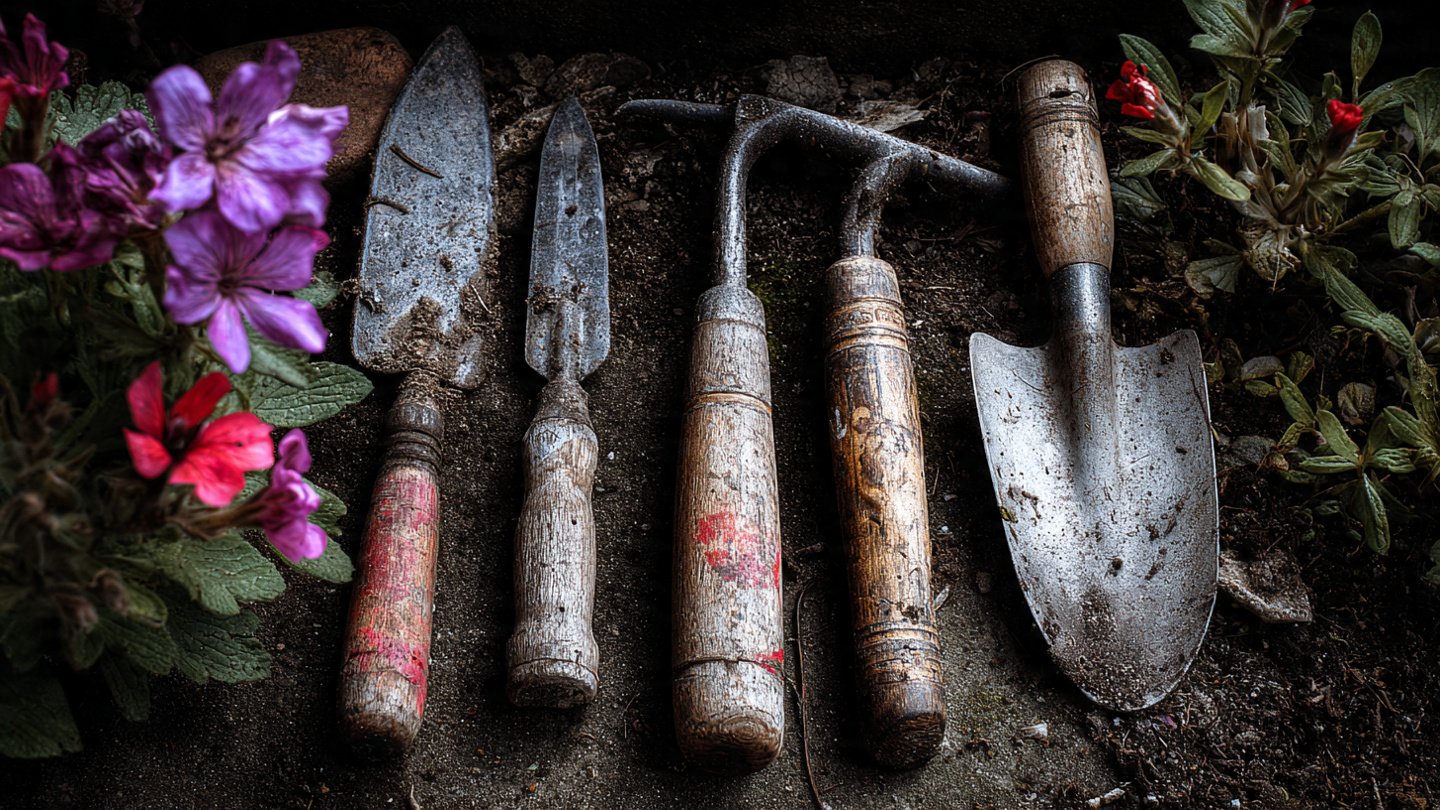

As the seasons change, gardeners often find themselves eagerly preparing for the planting cycle, dreaming of vibrant blooms and bountiful harvests. However, amidst this vibrant anticipation, many overlook a crucial aspect of their gardening journey: the tools they use. While garden tools are essential for cultivating healthy plants, they can also pose significant risks. Understanding how your garden tools might be harming your plants each season can be the key to fostering a flourishing garden.
Starting in spring, the season of renewal, gardeners are typically the most active. This is when soil preparation and planting begin in earnest. The tools used during this time, such as tillers, spades, and hoes, can inadvertently damage the soil structure and harm young roots. Over-tilling, for instance, can disrupt the delicate mycorrhizal networks and beneficial bacteria that promote healthy plant growth. Along with it, excessive soil disturbance can lead to compaction, making it difficult for roots to access water and nutrients.
Moreover, tools that are not sharp enough can create more problems than they solve. Dull blades can tear rather than cut, leading to jagged wounds on plants. These injuries can become entry points for pathogens, making the plants more susceptible to diseases. By maintaining sharp blades and regularly sanitizing them between uses, gardeners can minimize harm and promote better healing for their plants. A clean, precise cut encourages faster healing and reduces the risks of infection.
As spring transitions into summer, the focus shifts to maintenance, involving activities such as weeding, watering, and harvesting. Gardeners rely heavily on hand tools, pruners, and rakes. While these can help manage growth, improper use can create stress for plants. For instance, excessive weeding, especially if done with a hoe or trowel, can remove beneficial microorganisms and disturb the root zones of nearby plants. It is essential to adopt more delicate weeding techniques, such as hand-pulling or cultivating with care, to avoid adverse effects on plant health.
Furthermore, during these warmer months, watering becomes a central focus. Using hoses with high pressure may seem efficient; however, it can lead to soil erosion and displacement. Dry soil can easily be washed away, leaving roots exposed and vulnerable. Gardeners should consider using watering cans or drip irrigation systems to deliver moisture gently. This method helps maintain soil integrity while ensuring that plants receive the right amount of hydration, reducing the risk of overwatering and root rot.
As summer begins to fade into autumn, the focus shifts again, with a surge in harvest and preparation for winter. While harvesting is a joyous occasion, it also brings with it the challenge of ensuring that plants are not damaged. Many gardeners use harvest knives and scythes without considering the potential for injury. Pulling fruit or vegetables with too much force can disturb the plant’s root system, leading to stress and stunted growth. It’s beneficial to use proper harvesting techniques that expand the plant’s life cycle rather than risk damaging its health.
Likewise, as gardens are tidied up for the colder months, tools such as rakes and spades come into play. Though essential for clearing out debris, these tools can inadvertently harm plants. Raking dead leaves and plant matter too aggressively can damage the crown of perennials or disturb new seeds. Gentle raking or using gloved hands to remove debris can mitigate this risk.
The autumn months also mark a time when many gardeners start preparing their tools for winter storage. However, this can sometimes be a hurried process that leads to neglect. Failing to clean and sharpen tools can result in rust and deterioration. Moreover, if tools are stored without proper care, they may harbor pests or diseases that could carry over into the next planting season. It’s vital to take the time to clean and maintain tools, ensuring a healthy start when spring rolls around again.
As winter descends, many garden tools are put away, but this does not mean they are devoid of impact. Neglecting winter preparedness can result in missed opportunities when thawing begins in early spring. For example, a clogged garden hose is something many gardeners overlook. If left unfixed, this simple issue can result in a water-delivery disaster when the first thaw arrives, starving plants of needed moisture as they emerge from dormancy. Additionally, tools that are not stored correctly can become damaged by the elements, making them ineffective for future use.
Winter can also bring its own set of challenges, particularly in areas that experience heavy snowfall or ice. Gardeners might need tools that can remove ice or snow without damaging underlying plants. Ice scrapers or shovels that are too aggressive can break branches or roots, hurting perennial plants that have not yet gone dormant. When snow accumulation is heavy, a gentle approach is necessary to prevent damage to garden structures and the surrounding flora.
In every season, the importance of tool choice, maintenance, and proper handling cannot be overstated. Each tool in the gardener’s kit serves a purpose, but its efficacy often hinges on responsible use. Whether it is a hoe, rake, or pruning shear, understanding how and when to apply these tools ensures that plants are supported rather than harmed.
Moreover, investing in high-quality tools can make a significant difference. Cheaper or poorly designed tools tend to cause more harm than good, either through clumsiness or inefficiency. Quality tools not only perform better but can also reduce the fatigue associated with gardening, allowing for better precision and care.
An often-overlooked aspect is also the role of tool ergonomics in the well-being of both gardener and plants. Tools that are not comfortable to use can lead to rushed and careless actions, which in turn can harm plants. Ergonomically designed tools help gardeners work steadily and thoughtfully, promoting better care overall.
Finally, education plays a crucial role in mitigating harm to plants through gardening tools. Understanding plants and their needs can inform gardeners about the best practices for using each tool effectively. Workshops, literature, and online resources offer valuable insights that help gardeners make informed choices.
Thus, as seasons change and gardening continues, it’s essential to reflect on the impact tools can have on plant health. By selecting the right tools, maintaining them diligently, and employing thoughtful techniques, gardeners can create an environment where both tools and plants thrive. Ultimately, a well-tended garden is the result of careful consideration at every step, honoring the delicate balance between gardener and garden. This ongoing relationship fosters not only beautiful landscapes but a deeper appreciation for the growing process.