
How Can Moss Poles Elevate Your Climbing Plants to New Heights?
In the world of indoor gardening and plant care, moss poles have emerged as popular tools for plant enthusiasts who wish to grow climbing plants. These vertical gardening aids not only provide support but also mimic the natural habitats of many climbers. This article explores how moss poles can elevate your climbing plants, the benefits of using them, and practical tips for their effective implementation.
Understanding Climbing Plants
Climbing plants, such as philodendrons, pothos, and monstera, thrive in environments that allow them to climb and reach toward sunlight. In their natural habitats, these plants use various structures—like trees and rocks—as anchors to ascend and access light. When cultivated indoors, however, these plants often lack adequate support, leading to stunted growth and leggy appearance.
What are Moss Poles?
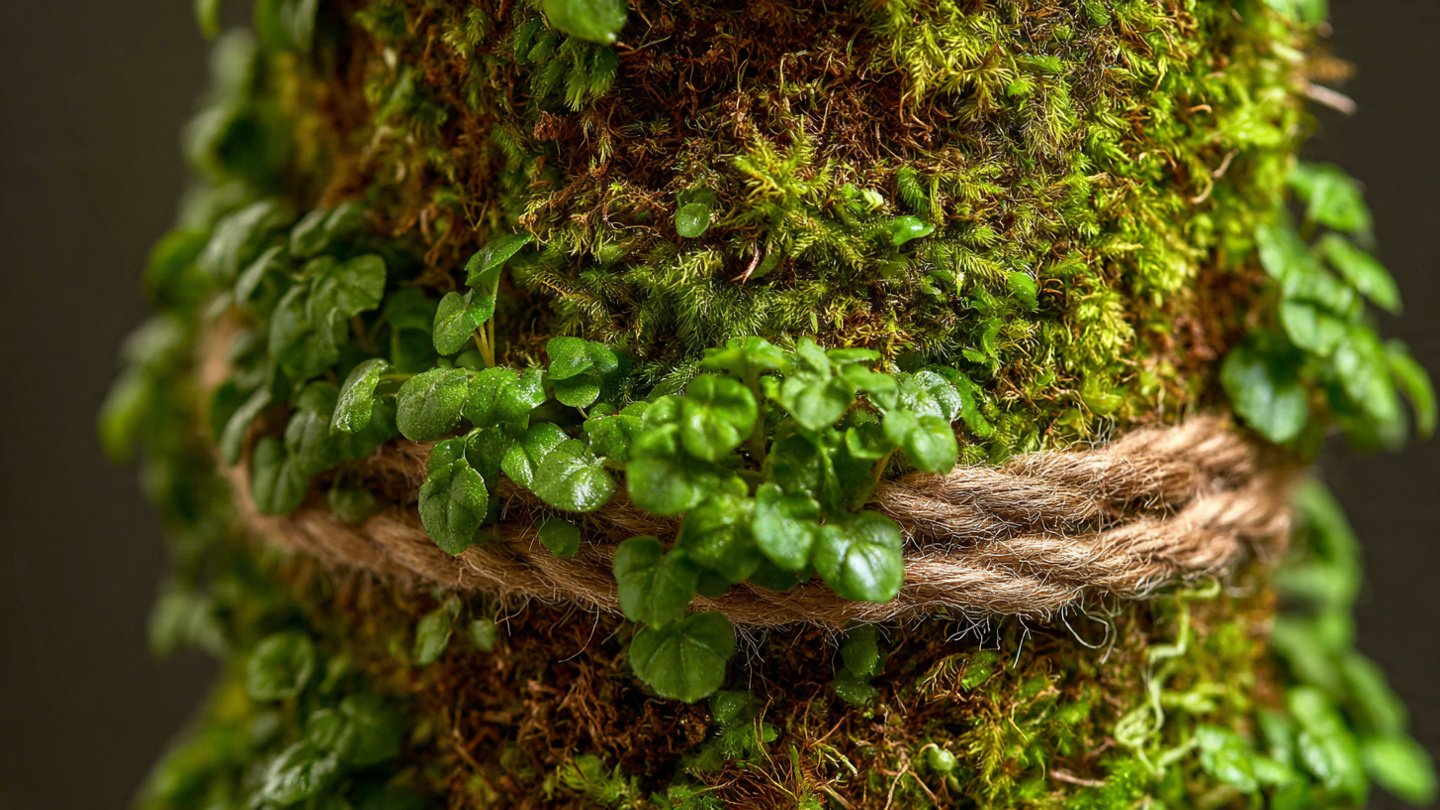
Moss poles are vertical structures wrapped in sphagnum moss, usually supported by a stake made of wood or PVC. These poles provide something for climbing plants to latch onto as they grow, promoting a more natural climbing behavior. Moss poles are designed to retain moisture, which benefits both the plant and the aesthetics of your indoor garden.
The Benefits of Using Moss Poles
1. Natural Support
Moss poles simulate the natural environment of climbing plants. As plants climb, they attach to the moss using aerial roots, which can help anchor them as well as access moisture and nutrients from the moss. This support is essential for the healthy growth of climbing plants.
2. Enhanced Growth
Using a moss pole can encourage vertical growth. When plants are allowed to climb, they often grow faster and healthier than when they are left on a flat surface. The vertical orientation also allows for better light exposure, which is vital for photosynthesis.
3. Improved Air Circulation
Moss poles can improve airflow around your plants. Proper air circulation is critical for preventing mold and pests. The vertical growth encouraged by moss poles helps reduce overcrowding and allows for better exposure to air.
4. Moisture Retention
Sphagnum moss is excellent at retaining moisture. When watered, the moss can provide a steady supply of humidity that many tropical climbing plants crave. This moisture can help maintain healthy leaf development and prevent issues like leaf curl and drop.
5. Aesthetic Appeal
Moss poles not only serve functional purposes; they also add an aesthetic element to your indoor garden. The lush green moss creates a vibrant backdrop for your climbing plants, enhancing their beauty and adding a natural touch to your space.
How to Use Moss Poles Effectively
1. Choosing the Right Pole
When selecting a moss pole, consider the size and material. Moss poles come in various heights and diameters; choose one based on the type of climbing plant you own. For instance, larger plants may require taller poles, while smaller plants can thrive on shorter poles.
2. Preparing the Moss Pole
Before use, it’s essential to prepare your moss pole.
-
Soak the Moss: Begin by soaking the sphagnum moss in water. This will help it retain moisture and provide hydration to your plant.
-
Wrap the Pole: Once the moss is wet, wrap it around the pole, ensuring it is dense enough to provide support but not so tight that it restricts airflow.
-
Secure the Moss: Use twine or fishing line to secure the moss in place, ensuring there are no loose sections.
3. Inserting the Pole
When inserting the moss pole into the pot:
-
Positioning: Place the moss pole into the pot before planting or beside the plant and gently insert it into the soil, ensuring it reaches the bottom of the pot for stability.
-
Angle: Consider angling the pole slightly to allow more sunlight to reach the plant and to mimic natural climbing paths.
4. Training Your Plant
Once your moss pole is in place, train your climbing plant to attach to it:
-
Aerial Roots: Encourage the plant to grow toward the moss pole by gently guiding its stems or using plant ties to secure them in place.
-
Support: As the plant grows, ensure the stems are gradually secured to the pole.
5. Watering and Maintenance
Maintaining your moss pole is crucial for its effectiveness:
-
Regular Watering: Keep the moss moist by watering it regularly. Sphagnum moss can dry out quickly, so check it frequently.
-
Fertilizing: Provide your climbing plant with balanced fertilizer to encourage growth. The nutrients from the fertilizer can be absorbed through the aerial roots.
-
Cleaning: Dust and debris can accumulate on the moss pole, blocking light and airflow. Periodically clean the pole to keep it in optimal condition.
Troubleshooting Common Issues
While moss poles can benefit climbing plants, they can also present challenges. Here are some common issues and tips to address them:
1. Mold Growth
Mold can form if the moss remains too wet or doesn’t receive enough air circulation. To combat mold:
- Allow the moss to dry slightly between waterings.
- Ensure proper air circulation around the plant and pole.
2. Wilting Leaves
If leaves appear wilted, this could be a sign of insufficient moisture.
- Increase humidity levels around your plant’s environment.
- Ensure you are watering the moss pole appropriately.
3. Growth Stagnation
If your plant is not climbing or growing, it may be due to several factors:
- Check if the moisture level is adequate.
- Ensure the plant is receiving enough light.
- Evaluate whether the moss pole is tall enough to encourage climbing.
Conclusion
Moss poles are an invaluable tool for any indoor gardener looking to elevate their climbing plants to new heights—both figuratively and literally. These poles mimic the plants’ natural environments, providing essential support while enhancing aesthetics and promoting overall plant health. With proper care and use, moss poles can transform not just the growth habits of your climbing plants but also the ambiance of your living space.
Whether you’re nurturing a pothos, a monstera, or a philodendron, incorporating a moss pole into your plant care routine can lead to a thriving display of greenery that reaches for the sky. So why wait? Grab a moss pole and let your climbing plants reach their full potential!