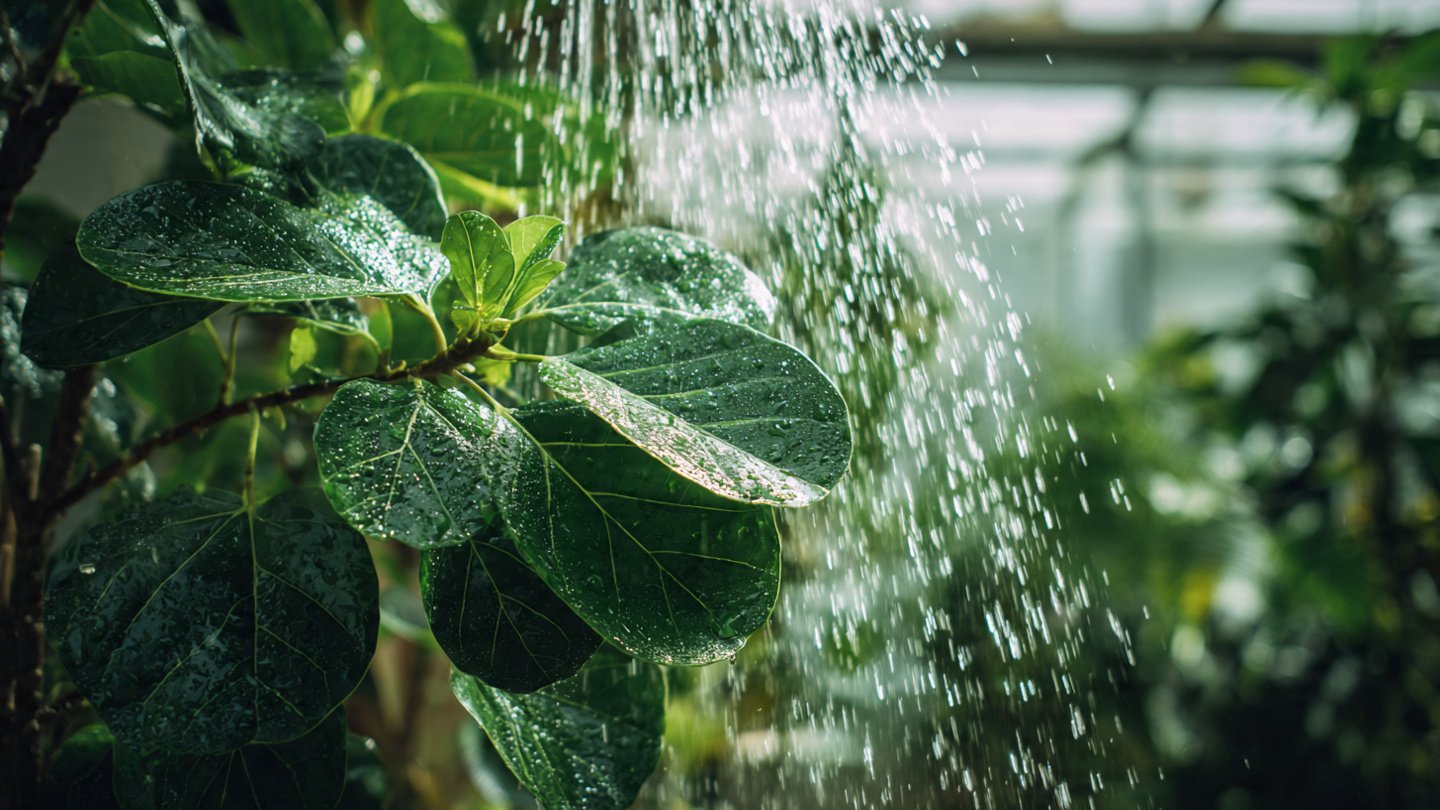

Watering plants might seem like a mundane task, but it’s a crucial aspect of plant care that holds a wealth of information about leaf health. From understanding the right amounts to applying the best techniques, watering habits can reveal significant insights into the state of a plant’s leaves. Proper watering not only supports growth but also affects the overall vigor and health of the leaves. This article explores how various watering habits impact leaf health and what clues they provide about the condition of a plant.
The Importance of Water in Plant Health
Water is essential for plants. It acts as a solvent for nutrients, facilitates photosynthesis, maintains cell turgor, and helps regulate temperature. However, the relationship between water and leaf health is complex. An imbalance—either too much or too little water—can lead to various leaf-related issues.
Signs of Healthy Leaves
Healthy leaves are generally vibrant and have a rich green color. They are firm and resilient, with no visible spots or discoloration. Here are some characteristics of healthy leaves:
- Strong, rich color indicating adequate nutrients and moisture
- Firm structure with no wilting
- No signs of pests or diseases
- Even growth with no stunted areas
Watering Habits: Under-Watering
Under-watering can quickly become evident in a plant’s leaves. When a plant doesn’t receive enough water, it begins to conserve moisture. This typically manifests in the leaves as follows:
Symptoms of Under-Watering
- Wilting: One of the most common signs, leaves may droop or curl.
- Yellowing: Leaves can turn yellow, especially at the edges, as they become stressed.
- Brown Edges: The tips and edges of the leaves may become brown and crispy.
- Stunted Growth: The overall growth of the plant slows down due to stress.
How to Identify Under-Watering
To determine if under-watering is the issue, check the soil moisture. If the upper inch of soil feels dry, and the plant shows the symptoms mentioned, it’s time to re-evaluate your watering schedule.
Watering Habits: Over-Watering
On the opposite end of the spectrum, over-watering can also cause significant leaf problems. While it might seem like giving more water would help, it can lead to root rot and other issues that ultimately affect the leaves.
Symptoms of Over-Watering
- Yellowing Leaves: Much like under-watering, leaves can yellow but will often appear mushy instead of crispy.
- Falling Leaves: Excess moisture can lead to leaves dropping prematurely.
- Leaf Spots: Fungal infections may manifest as brown or black spots on the leaves.
- Root Rot: The roots may begin to rot, compromising the plant’s ability to uptake water and nutrients.
How to Identify Over-Watering
To assess over-watering, check if the soil is waterlogged or has an unusual smell, indicating decay. If this is the case, allow the soil to dry out before watering again.
The Role of Soil Type
The type of soil you use can dramatically affect how water is retained or lost. For instance, clay soils tend to hold more water than sandy soils, which drain quickly. Understanding the soil composition can help tailor your watering habits:
- Clay Soil: Requires less frequent watering but needs deeper infiltration.
- Sandy Soil: Drains quickly and may require more frequent, lighter watering.
- Loamy Soil: Balance of clay and sand, making it ideal for a variety of plants.
Watering Frequency and Timing
When and how often you water can also affect leaf health. Plants have different requirements based on their species, age, and environmental conditions:
Frequency
Some plants need daily watering, while others thrive on weekly watering schedules. Factors that influence watering frequency include:
- Plant species
- Seasonal temperature
- Indoor versus outdoor settings
Timing
Watering early in the morning or late in the evening is often recommended, as this reduces evaporation and allows more water to reach the roots. Avoiding watering during the hottest part of the day can prevent excessive loss of water and shock to the plant.
Water Quality and Its Impact
Not all water is created equal. The chemical composition of water, including pH levels and the presence of chlorine or fluoride, can affect plant health:
- Tap Water: May contain chemicals that harm sensitive plants.
- Rainwater: Generally softer and better for plants due to its natural pH.
- Distilled Water: Lacks essential minerals but is suitable for sensitive species.
Conclusion
Watering habits are more than just a routine; they are critical indicators of leaf health. Understanding the signs of under-watering and over-watering, the influence of soil type, the impact of timing and frequency, and even the quality of water used can greatly enhance a gardener’s ability to care for their plants. A little attention to watering practices can result in healthier, more vibrant leaves, leading to thriving, beautiful plants. By closely observing the leaves and adjusting watering habits accordingly, you can unlock the secrets to better plant care.
FAQs
1. How often should I water my indoor plants?
The frequency of watering indoor plants depends on the type of plant, pot size, and environmental conditions. Generally, check for soil moisture once a week for most houseplants.
2. What are the signs of a plant needing water?
Signs include wilting, yellowing leaves, and dry soil. The leaves may also curl or feel crispy.
3. Can I use tap water for my plants?
Yes, but be cautious with sensitive plants as tap water may contain chemicals like chlorine. Allowing it to sit out for 24 hours can help reduce these chemicals.
4. How can I improve drainage in my soil?
Improve drainage by mixing in organic matter like compost or perlite, which enhances the soil’s structure and promotes better moisture retention.
5. What should I do if I see signs of over-watering?
If you suspect over-watering, stop watering immediately and allow the soil to dry out. Check roots for rot and prune any affected parts.