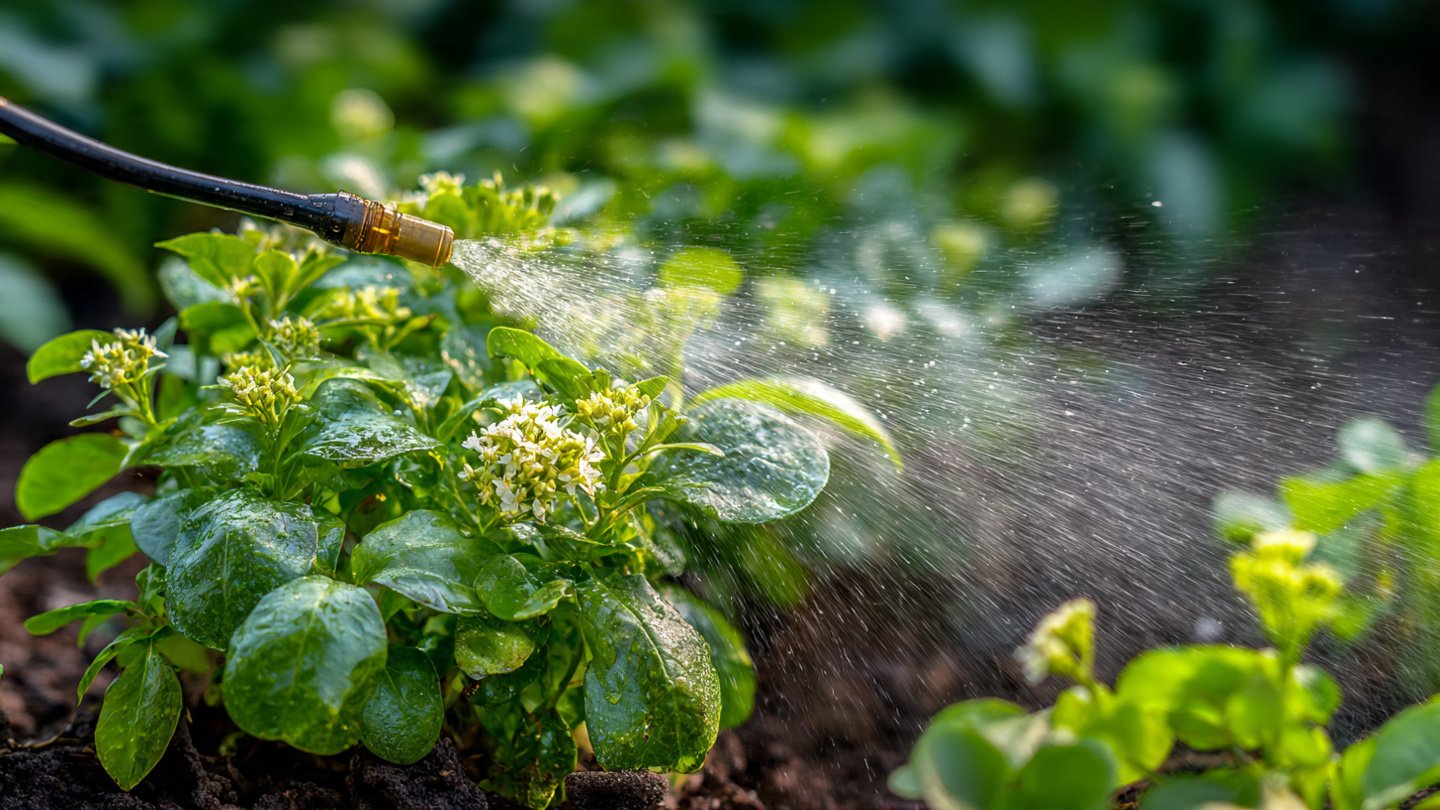

As gardening becomes an increasingly popular hobby, many enthusiasts are searching for effective and eco-friendly methods to maintain their gardens. One of the most talked-about solutions in recent years is the use of vinegar spray for weed control. While conventional herbicides contain harmful chemicals, vinegar provides a natural alternative that is both effective and affordable. This article will explore the reasons behind using vinegar to manage weeds, how to apply it properly, and its advantages over traditional herbicides.
The Power of Vinegar as a Weed Killer
Vinegar, particularly the white vinegar commonly found in kitchens, contains acetic acid, which is the component responsible for its weed-killing properties. The acetic acid works by drawing moisture out of plant tissues, ultimately causing the leaves and stems to dry out and die. The higher the concentration of acetic acid, the more effective it typically is against weeds.
Here are a few compelling reasons why you should consider using vinegar spray for your garden weeds:
1. Eco-Friendly Option
Unlike commercial weed killers, vinegar is a natural product that doesn’t harm the environment. It breaks down quickly, ensuring no long-lasting chemicals seep into the soil, making it safe for pets, children, and beneficial insects. By using vinegar, you contribute to a healthier ecosystem while still managing your weed problem.
2. Cost-Effective Solution
Vinegar is an inexpensive solution compared to the often costly chemical herbicides. Most households already have vinegar in their kitchens, making it a readily available option. This cost-effectiveness particularly appeals to budget-conscious gardeners who wish to maintain their gardens without overspending.
3. Immediate Results
One of the most appealing aspects of using vinegar spray is the quick results. Within hours of application, you can see the first signs of wilting in weeds, allowing you to address problems rapidly. This immediacy can be especially satisfying for gardeners who desire a quick fix to their weed-related dilemmas.
4. Easy Application
Applying vinegar is straightforward. You can use a spray bottle to target specific areas, minimizing the risk of affecting nearby plants you want to keep. This localized application makes it easier to manage weeds without significant damage to your garden.
5. Versatile Usage
Vinegar is not limited to just one type of weed or plant. It can be effectively used against various types of undesirable plants, making it a versatile tool in your gardening arsenal. Whether it’s dandelions, clovers, or other invasive species, vinegar can help manage them all.
How to Use Vinegar for Weed Control
Using vinegar as a weed killer involves simple steps:
- Choose Your Vinegar: While standard kitchen vinegar is effective, using vinegar with a higher acetic acid concentration (like horticultural vinegar) can yield better results.
- Prepare Your Spray: Pour the vinegar into a spray bottle for easy application. Optionally, you can add a few drops of dish soap to help the solution adhere to the leaves better.
- Timing is Key: Spraying on a sunny day can enhance the effectiveness, as the sun will help to dry out the weeds faster. Early mornings or late afternoons are ideal.
- Target the Weeds: Aim for the foliage of the weeds you want to eliminate. Be cautious around desired plants, as vinegar will affect them as well.
- Repeat if Necessary: For stubborn weeds or larger infestations, multiple applications may be necessary.
Potential Limitations of Using Vinegar
Despite the benefits, it is important to acknowledge some limitations of using vinegar as a weed killer:
- Effectiveness on Established Weeds: Vinegar works best on young, tender weeds and may not be as effective on established, deep-rooted plants.
- Non-Selective Herbicide: Vinegar does not discriminate between weeds and desirable plants, so careful application is crucial to avoid damage to plants you want to keep.
- Reapplication Required: Vinegar’s effects may not last long in the soil, so periodic reapplications may be necessary to maintain weed control.
Conclusion
Spritzing your garden weeds with vinegar spray offers a natural, cost-effective, and immediate solution that is both environmentally friendly and easy to apply. As gardeners seek ways to manage their plants sustainably, vinegar stands out as a useful weapon against weeds. However, it is important to use this method with caution, keeping in mind its limitations to achieve the best results. With the right application, vinegar can be a valuable addition to your gardening toolkit, helping you create a thriving garden free of unwanted weeds.
FAQs
1. Is vinegar safe for my garden plants?
Vinegar can harm garden plants, as it is a non-selective herbicide. It’s essential to apply it carefully, targeting only the weeds.
2. What type of vinegar should I use?
While household white vinegar can be effective, using horticultural vinegar (with a higher acetic acid concentration) can yield better results.
3. How often do I need to apply vinegar for weed control?
Reapplication may be necessary, especially for larger weed infestations or established plants. Monitor the affected area and reapply as needed.
4. Can I mix vinegar with other substances for better effectiveness?
Yes, adding a few drops of dish soap can help the vinegar adhere better to the leaves of the weeds, enhancing its effectiveness.
5. Will vinegar completely eliminate my weed problem?
Vinegar is effective on young and tender weeds, but it may not completely eliminate established weeds with deep roots. Regular monitoring and reapplication may be necessary.