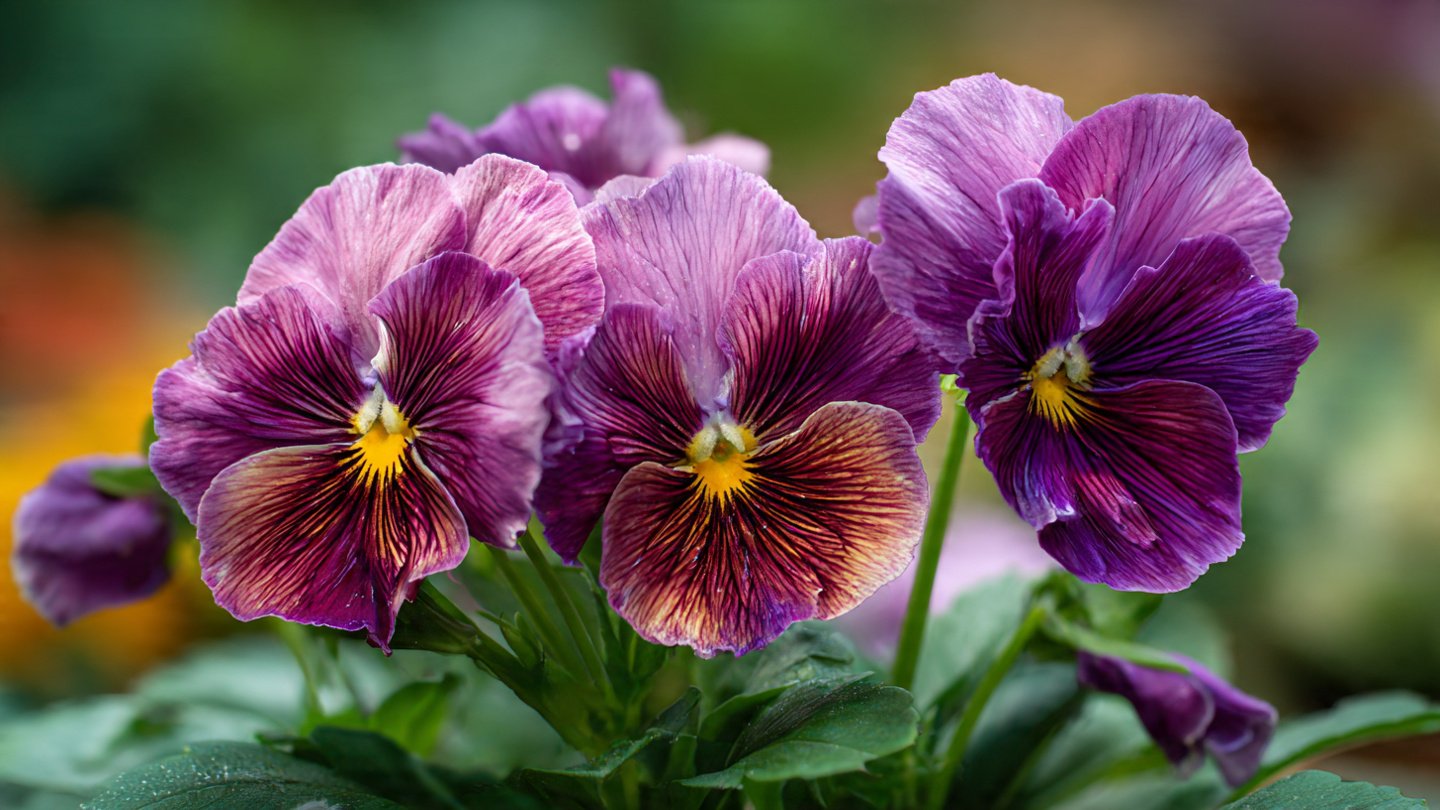

Pansies are known for their vibrant colors and unique patterns, making them a favorite among gardeners. In warmer months, taking summer cuttings of pansies can yield massive blooms in the future. This article will guide you through the process of propagating pansies from cuttings, ensuring that your garden flourishes with these beautiful flowers.
Understanding Pansies
Pansies (Viola tricolor var. hortensis) thrive in cooler weather, but with proper care and techniques, you can successfully propagate them during the summer. Pansies come in a variety of colors and sizes, making them suitable for various garden designs. Their viability as cuttings makes them an appealing choice for gardeners looking to expand their collection without purchasing new plants.
Why Choose Summer Cuttings?
- Cost-Effective: Propagating pansies from cuttings allows you to multiply your plants without extra costs.
- Varietal Consistency: Cuttings retain the characteristics of the parent plant, ensuring you get the same beautiful blooms.
- Rapid Growth: Well-taken cuttings can root quickly, leading to faster growth and blooming.
The Right Time for Taking Cuttings
The best time to take cuttings from your pansies is in the early morning after the dew has dried. This ensures the plants are at their peak hydration level. Ideally, aim for mid-summer when the plants are healthy and have established growth. Avoid taking cuttings during extreme heat or drought to ensure the best possible survival rate.
Steps to Grow Massive Pansies from Cuttings
1. Gather Supplies
Before you start taking cuttings, make sure you have the following supplies:
- Sharp, clean scissors or pruning shears
- Small pots or seed trays
- Rooting hormone (optional but beneficial)
- Potting mix or seed-starting soil
- Plastic wrap or a propagator (for humidity control)
2. Taking Cuttings
Follow these steps for taking cuttings from healthy pansy plants:
- Select a healthy stem: Choose stems that are at least 3-4 inches long, with no flowers or buds.
- Make a clean cut: Use sharp scissors to cut just below a leaf node to promote better rooting.
- Remove excess leaves: Trim any leaves from the lower half of the cutting to reduce moisture loss.
3. Prepare the Cuttings
Dip the cut end of each cutting into rooting hormone to encourage faster root development. This step is optional but can improve success rates.
4. Plant the Cuttings
Fill your pots or trays with a well-draining potting mix. Make a hole in the soil for each cutting using a pencil or your finger. Insert the cutting into the hole, ensuring that the leaf node is buried. Firm the soil around the base of the cutting to provide stability.
5. Create a Humid Environment
Pansies require humidity to root effectively. Cover the pots or trays with plastic wrap or place them in a propagator to maintain moisture levels. Be sure to open this cover periodically to prevent mold growth.
6. Watering and Care
Water the cuttings lightly to moisten the soil but avoid soaking it. Place the containers in a bright, indirect light location, out of direct sunlight. Monitor the moisture levels regularly and maintain a consistent watering schedule to keep the soil damp.
7. Transplanting Cuttings
After 4-6 weeks, your cuttings should start developing roots. To check for root development, gently tug on the cutting. If you feel resistance, roots are forming. Once they have established a good root system, you can transplant them into larger containers or into your garden.
Benefits of Growing Pansies
Growing pansies not only adds beauty to your garden but also has several benefits:
- Attracts beneficial pollinators like bees and butterflies.
- Enhances biodiversity in your garden.
- Can be used for edible decorations in culinary dishes.
Conclusion
Growing massive pansies from summer cuttings is an easy and rewarding endeavor. With the right preparation and care, you can enjoy a bountiful display of vibrant blooms in your garden. This method not only saves money but also allows you to maintain the genetic traits of your favorite pansy plants. By following the steps outlined in this article, you’ll be well on your way to thriving pansies that enhance your outdoor living space.
FAQs
1. How long does it take for pansy cuttings to root?
Typically, pansy cuttings take about 4-6 weeks to develop roots, depending on the environmental conditions.
2. Can I propagate pansies in water?
While it’s possible to root pansies in water, they typically root more reliably in a potting mix.
3. What should I do if my cuttings wilt?
If cuttings wilt, check for adequate moisture in the soil. Consider increasing humidity by covering them or misting them lightly.
4. Are there any pests I should watch for when growing pansies?
Yes, common pests include aphids and slugs. Regularly inspect your plants for signs of infestation and treat them appropriately.
5. Can I take cuttings from flowering pansies?
It’s best to take cuttings from non-flowering pansies, as flowering uses up energy that can help the cutting root and establish itself more effectively.