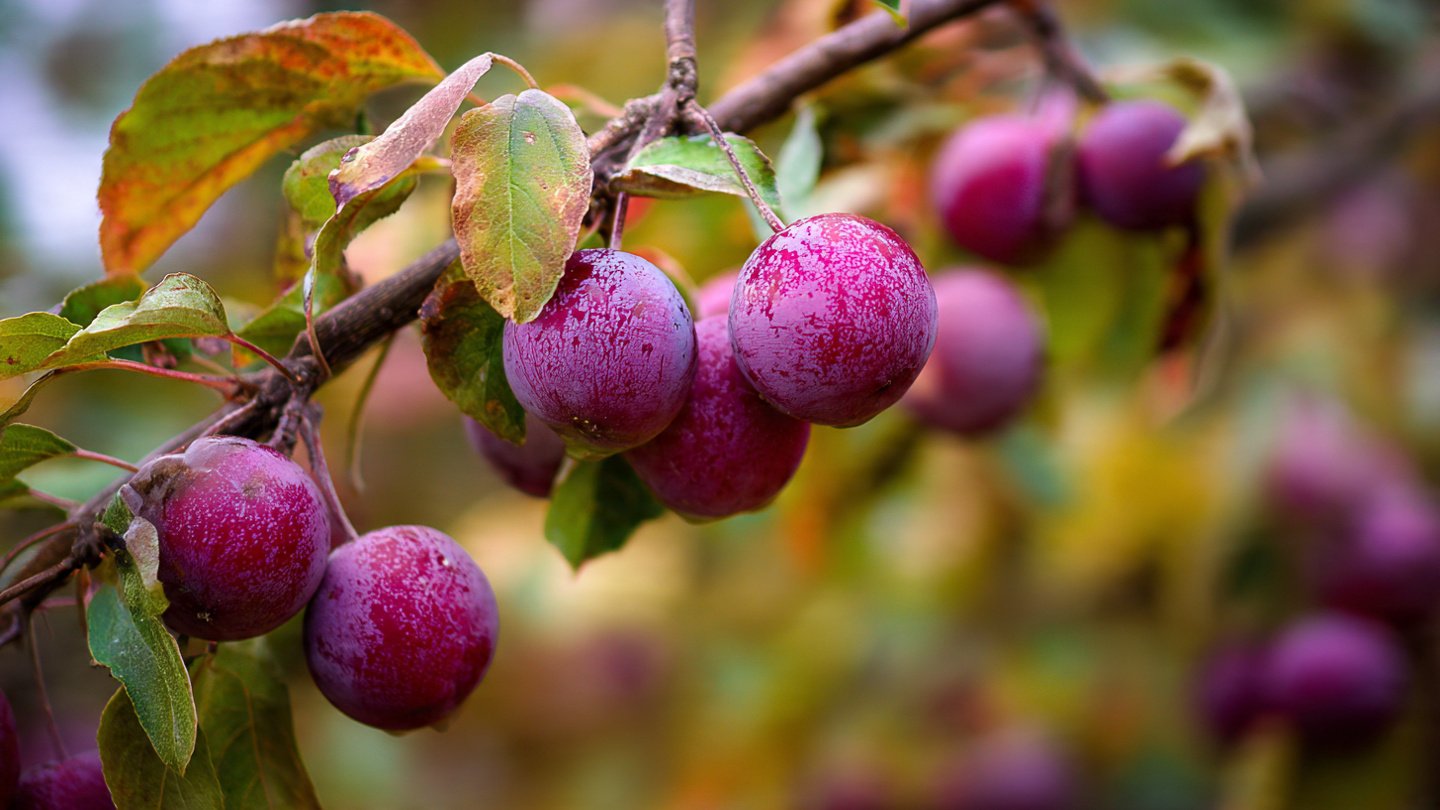

If you’re a fruit tree enthusiast or a casual gardener, there’s little more disheartening than watching your trees drop their fruit prematurely. This natural phenomenon can be perplexing and frustrating, especially if you’ve invested time and effort into nurturing your plants. But why do fruit trees drop their fruit early? Understanding the reasons behind this behavior can help you take corrective measures and ensure a bounty of fruit in the seasons to come.
Understanding the Process of Fruit Setting
Before diving into the reasons for early fruit drop, it’s essential to understand the life cycle of fruit trees. After blooming, fruit trees enter a stage known as fruit setting, where they form the small, immature fruit known as “set fruit.” During this critical period, the trees go through several physiological and environmental changes. Ideally, trees will retain enough fruit to ensure a good harvest, but various factors can disrupt this balance.
Common Reasons for Early Fruit Drop
There are several reasons why fruit trees might drop their fruit prematurely. Identifying the underlying causes can help you address the issue effectively. Below are some common reasons:
1. Environmental Stress
- Water Stress: Inadequate watering, either too little or too much, can cause stress in trees, leading them to drop fruit. Drought conditions cause trees to conserve energy and resources, resulting in fruit drop. Conversely, waterlogged soil can suffocate roots, leading to similar outcomes.
- Temperature Fluctuations: Extreme temperatures, whether hot or cold, can negatively impact fruit set. A late frost can kill blossoms, while extremely high temperatures can cause fruits to fall before they mature.
2. Nutritional Deficiencies
Fruit trees require various nutrients to thrive, and deficiencies in key elements can lead to premature fruit drop. Common deficiencies include:
- Nitrogen: Essential for vegetative growth, a lack of nitrogen can lead to poor fruit development and eventual drop.
- Potassium: This nutrient is vital for strong cellular structure in fruits. A potassium deficiency can cause soft spots and premature drop.
- Calcium: A deficiency can lead to blossom end rot and can contribute to fruit drop as well.
3. Pest and Disease Issues
Insects and diseases can sap the strength of your trees, leading to early fruit drop. Some common pests include:
- aphids, which can weaken branches and reduce overall fruit health.
- codling moths that directly damage the fruit.
- fungal infections, which can weaken the tree’s structure and lead to fruit drop.
4. Pollination Problems
Successful fruit set often depends on effective pollination. If pollinators are scarce due to environmental factors, your trees may not set fruit properly, leading to drop. A lack of genetic diversity might also impede pollination success.
5. Overbearing
Sometimes, trees produce more fruit than they can sustain through the ripening process. This natural phenomenon sometimes leads to a “self-thinning” effect where trees drop excess fruit to focus energy on fewer, healthier fruits. This is particularly common in young trees that are still establishing themselves.
Signs of Early Fruit Drop
Identifying early signs of fruit drop can help you take timely action. Look for:
- Fruit that appears small or underdeveloped.
- Fallen fruit around the base of the tree.
- Delayed or stunted growth in other parts of the tree, such as leaves or branches.
Preventive Measures
Fortunately, many of the causes of early fruit drop can be mitigated with the right intervention. Here are some tips:
1. Proper Watering
Ensure your trees receive consistent and adequate watering, especially during critical growth stages. Use mulch to retain soil moisture and prevent watering stress.
2. Nutrient Management
Conduct soil tests to determine nutrient levels and amend your soil as needed. Fertilization should be balanced and tailored to the specific nutritional needs of the tree species.
3. Pest Control
Regularly inspect your trees for signs of pests and diseases. Implement integrated pest management (IPM) strategies to minimize harm and promote healthy fruit growth.
4. Encourage Pollinators
Planting a diverse array of flowers nearby and avoiding excessive pesticide use can help attract and maintain a healthy population of pollinators.
5. Thinning Fruits
If overbearing is the issue, consider thinning out some of the immature fruit manually to reduce the burden on the tree and improve the quality of the remaining fruit.
Conclusion
Fruit drop is a natural part of a fruit tree’s life cycle, but premature fruit drop can be a sign of underlying issues that require attention. By understanding environmental stressors, nutritional needs, pest pressures, and the importance of pollination, you can effectively address and mitigate early fruit drop. Taking proactive steps to care for your trees will not only enhance their health but also improve your yield, giving you a more satisfying harvest year after year.
FAQs
1. Can all fruit trees experience early fruit drop?
Yes, while some species may be more susceptible than others, most fruit trees can drop fruit prematurely due to various environmental, nutritional, and biological factors.
2. Is early fruit drop reversible?
Once fruit is dropped, it is not reversible. However, addressing the underlying issues can help prevent future drops and protect the remaining fruit.
3. How long does it take for fruit trees to recover from early fruit drop?
Recovery time can vary based on the species and the severity of the issue. Addressing the cause is crucial for a healthy growing season.
4. Should I prune my tree to prevent early fruit drop?
Pruning can help increase airflow and reduce overcrowding but should be done carefully to avoid stressing the tree, especially before the fruiting season.
5. When is the best time to fertilize fruit trees?
Fertilization is usually best applied in early spring, just before blooming, but soil tests can help determine the most appropriate timing and type of fertilizer.