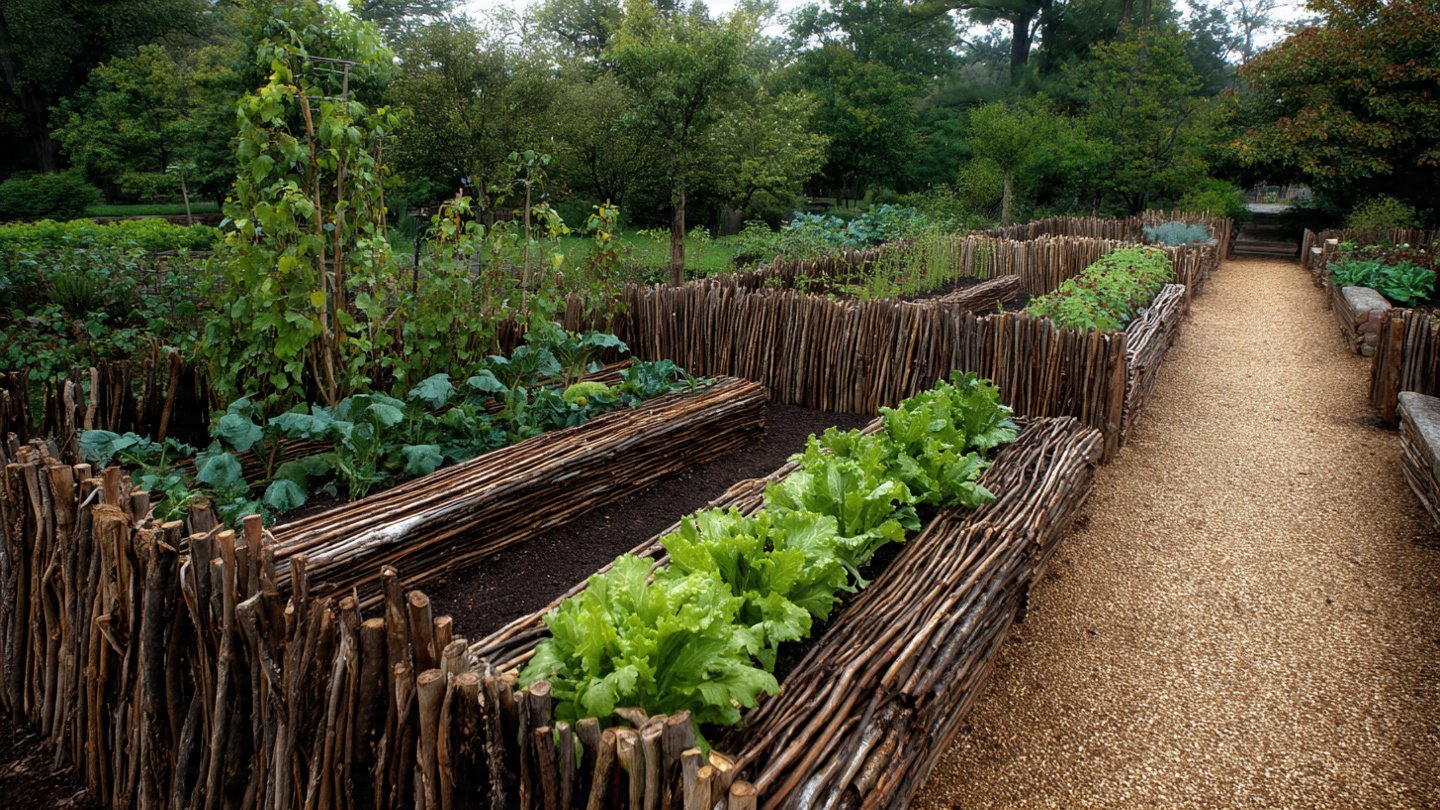

A vegetable garden requires the right conditions to thrive, which includes adequate sunlight, moisture, and nutrients. However, one aspect that is often overlooked is the impact of wind. Wind can be detrimental to young plants, affecting their growth and overall yield. This is where a windbreak comes into play, serving as a protective barrier that can significantly enhance the health and productivity of your vegetable garden.
Understanding Windbreaks
A windbreak is any structure or arrangement of plants that protects a garden or field from wind. Traditionally, windbreaks are created using a combination of trees, shrubs, and sometimes artificial materials such as fences. They not only help in shielding plants from harsh winds but also create a microclimate that can boost productivity in your vegetable garden.
Types of Windbreaks
- Natural Windbreaks: These are created using living plants like trees and shrubs. Known for their aesthetic appeal, they also provide habitat for wildlife while filtering dust and pollution.
- Artificial Windbreaks: These include barriers made from materials like wood, vinyl, and other materials. These are generally quicker to set up and can be strategically placed to block wind.
- Combination Windbreaks: The most effective windbreaks often use a combination of both natural and artificial methods for maximum effectiveness.
The Benefits of Windbreaks in Vegetable Gardens
Adopting windbreaks offers numerous advantages for vegetable gardeners. Below are some key benefits:
1. Protection from Wind Damage
Young plants are particularly susceptible to wind damage, which can lead to stunted growth or even plant death. Windbreaks reduce wind speed, significantly lowering the chances of physical harm to your crops.
2. Microclimate Creation
Windbreaks help to create a microclimate that can be warmer and more humid than the surrounding area. These conditions are beneficial for many vegetable plants, especially in cooler climates where temperature fluctuation can stymie growth.
3. Improved Pollination
Wind can disrupt the pollination process, particularly for certain vegetables that rely on pollinators. By minimizing wind interference, windbreaks encourage better pollination rates, ultimately enhancing fruit and vegetable yields.
4. Soil Moisture Retention
A windbreak can significantly reduce evaporation rates, allowing soil to retain moisture longer. This is especially critical during dry spells, as vegetables often require consistent moisture for optimal growth.
5. Reduced Erosion
Strong winds can lead to soil erosion, stripping away the topsoil that contains vital nutrients. Windbreaks help anchor the soil and reduce erosion by slowing wind velocity.
How to Implement a Windbreak in Your Vegetable Garden
Establishing an effective windbreak does not require a complex strategy. Here’s how you can create one that benefits your vegetable garden:
1. Select the Right Location
Identify the direction of the prevailing winds in your area. Position your windbreak accordingly for maximum effectiveness. Ideally, your windbreak should be located to the north or northwest of your garden for optimal protection.
2. Choose Appropriate Plants
If you are going for a natural windbreak, select fast-growing, hardy species that are suited to your climate. Native plants are often an excellent choice, as they will require less maintenance and provide habitat for local wildlife.
3. Plan for Height and Density
Your windbreak should be tall enough to block wind effectively. A general guideline is to plant it at least twice the height of your vegetable plants. Also, ensure that the windbreak is dense enough to slow down the wind but not so dense that it blocks sunlight.
4. Maintenance
Maintaining your windbreak is vital for its effectiveness. Regular pruning of trees and shrubs will keep them healthy and functioning optimally. Remove dead or diseased plants, and ensure that the windbreak remains intact.
Windbreaks and Companion Planting
Incorporating windbreaks into your garden design can also complement other gardening techniques, such as companion planting. For instance, taller plants can shield shorter plants from wind while preventing competition for resources. This synergistic effect can lead to better growth and healthier crops.
Conclusion
The implementation of a windbreak in your vegetable garden can significantly improve growth conditions for your plants. By protecting against wind damage, creating a favorable microclimate, and promoting better moisture retention, windbreaks are a strategic investment for any serious gardener. They not only enhance productivity but also contribute to the sustainability of your garden. Whether you choose to employ natural or artificial windbreaks or a combination of both, the benefits they provide make them an essential feature of a thriving vegetable garden.
FAQs
1. How tall should my windbreak be?
Your windbreak should be at least twice the height of your tallest vegetable plants to be effective.
2. Can I use artificial materials for a windbreak?
Yes, artificial materials can be used for a quick and effective windbreak. However, consider combining them with natural plants for the best results.
3. How long does it take for a natural windbreak to become effective?
Natural windbreaks can take several years to become fully effective, as trees and shrubs need time to grow to an adequate height.
4. What types of plants are best for a windbreak?
Fast-growing trees and shrubs that are native to your region are generally the best choice for a windbreak, as they will thrive in local conditions.
5. Will a windbreak help with pest problems?
While a windbreak can help reduce wind-borne pests, its primary function is to protect against wind. However, it can also provide habitat for beneficial insects that help control pests.