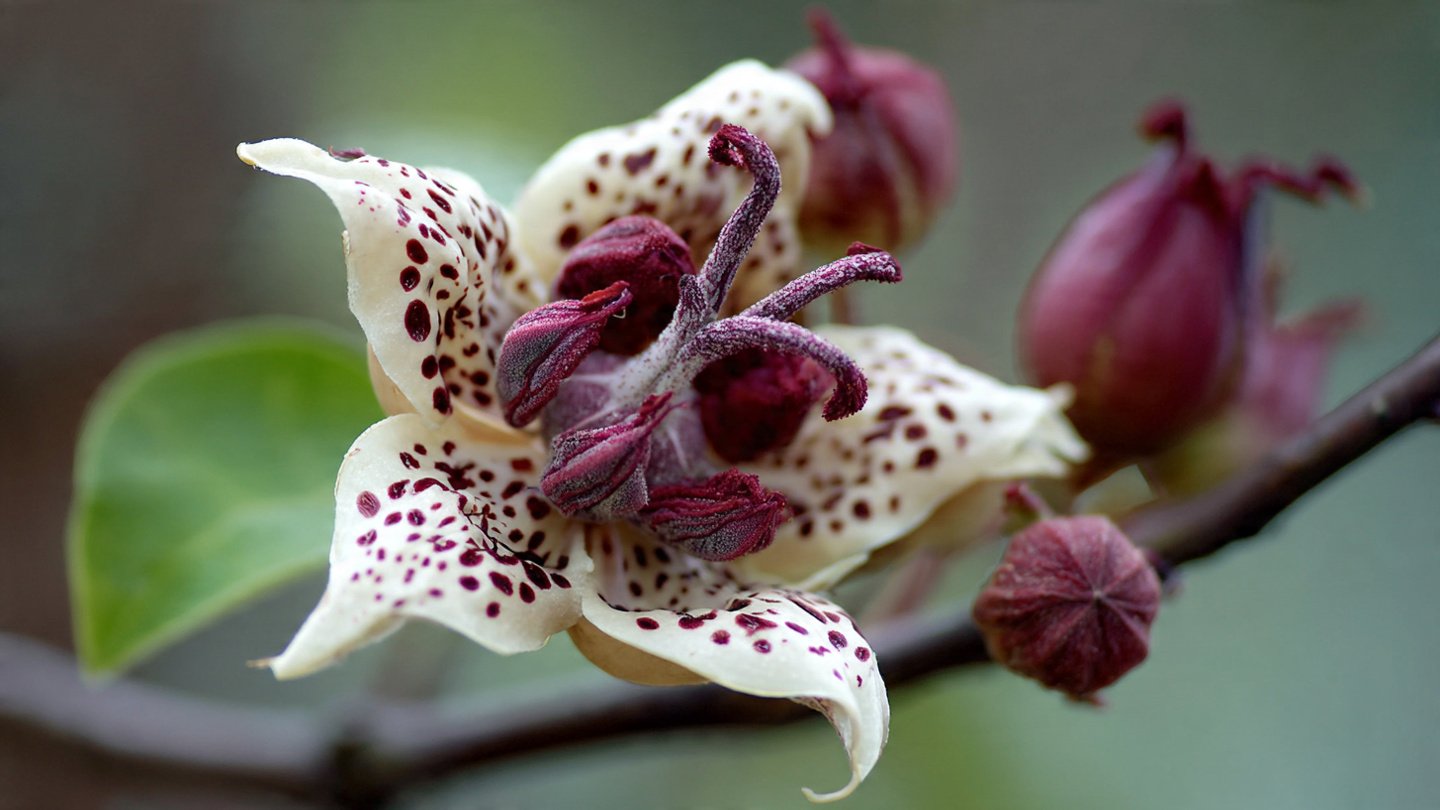

Among the diverse array of flora around the globe, one of the most intriguing is the flower that emanates a sweet, chocolaty aroma. Known scientifically as Cosmos atrosanguineus, or more commonly, the chocolate cosmos, this flower captures the fascination of botanists, gardeners, and nature lovers alike. But what makes this flower so enigmatic? This article will delve into the characteristics, cultivation, and cultural significance of the chocolate cosmos, exploring why it holds a unique place in the world of botany.
The Allure of the Chocolate Cosmos
The chocolate cosmos are renowned not only for their visually striking dark reddish-brown petals but also for their distinctive chocolate scent, which can evoke memories of sweet desserts and childhood treats. Native to Mexico, these flowers bloom during summer and fall, attracting numerous pollinators, including bees and butterflies. Their captivating fragrance is a key factor in their popularity, creating an aromatic experience that sets them apart from other garden plants.
A Unique Aroma
The primary compounds responsible for the chocolate scent are benzoic acid and vanillin, both of which are also present in cocoa beans. The production of these compounds occurs through specific biochemical pathways within the flower, showcasing a fascinating interplay of genetics and environmental conditions. The synthesis of these aromatic compounds is not only a means of attracting pollinators but also a method of warding off herbivores that may be deterred by the strong smell.
Botanical Features
In terms of appearance, the chocolate cosmos boast dark, almost black flowers with a velvety texture that enhances their allure. The leaves are a deep green, providing a beautiful contrast to the striking blooms. Standing up to 3 feet tall, these perennial plants can thrive in various soil types, though they do best in well-drained soil enriched with organic matter.
Growth Conditions
For optimal growth, chocolate cosmos prefer a sunny location and moderate water. They are relatively drought-resistant once established, making them suitable for various garden styles, from cottage gardens to more modern landscapes. However, because they are native to a warmer climate, they require protection from frost, which may necessitate bringing potted plants indoors during colder months.
The Mystique of Their Origins
Another layer to the chocolate cosmos’ intrigue lies in its origins. Discovered in the secluded regions of Mexico, these flowers were introduced to European horticulture in the late 1800s. Their unique scent quickly captured the attention of gardeners and floral enthusiasts, leading to their incorporation in gardens across Europe and eventually worldwide.
Historical Significance
In Mexican culture, chocolate has deep-rooted significance, often associated with important rituals and celebrations. The chocolate cosmos, with its sweet scent, embodies the cultural relevance of chocolate in a broader context. This connection adds to the flower’s mystique, intertwining botanical beauty with historical and cultural narratives.
Cultural and Symbolic Importance
The appeal of chocolate cosmos extends beyond their physical attributes; they also symbolize deeper meanings. In the language of flowers, also known as floriography, the chocolate cosmos can represent love, beauty, and passion. Their rich color and delightful scent make them perfect for romantic occasions and as gifts for loved ones.
In Garden Design
Incorporating chocolate cosmos into garden designs can evoke a sense of whimsy and earthy delight. Their unique aroma can create an enchanting atmosphere, especially in evening gardens where the fragrance can waft through the air, contributing to a multisensory experience. Gardeners often pair them with contrasting plants, such as lighter flowering varieties, to emphasize their deep hues and rich scents.
Growing Chocolate Cosmos
For those interested in cultivating these intriguing flowers, several steps can help ensure success. Here’s a brief guide:
- Soil Preparation: Enrich the soil with compost to enhance drainage and provide nutrients.
- Sunlight: Choose a spot that receives full sun for at least six hours a day.
- Watering: Water deeply but infrequently to establish strong root systems.
- Pruning: Deadheading spent flowers encourages continued blooming throughout the season.
- Winter Care: In colder climates, treat them as annuals or bring potted plants indoors during frosty weather.
Conclusion
The chocolate cosmos stands out as a fascinating blend of beauty, scent, and cultural significance. Its alluring aroma and striking appearance make it a botanist’s dream and a gardener’s favorite. As we explore the enigma of this unique flower, we uncover not only the science behind its chocolate scent but also the rich tapestry of cultural meanings associated with it. From its origins in Mexico to its place in modern garden designs, the chocolate cosmos continues to captivate and inspire those fortunate enough to encounter it, inviting everyone to appreciate the complexities of nature in a truly aromatic way.
Frequently Asked Questions (FAQs)
1. Can the chocolate cosmos be grown in pots?
Yes, chocolate cosmos are well-suited for container gardening. Ensure proper drainage and adequate sunlight for optimal growth.
2. Are chocolate cosmos annual or perennial plants?
Chocolate cosmos are typically grown as perennials in warmer climates and as annuals in colder regions.
3. Do chocolate cosmos attract pollinators?
Yes, their fragrance and nectar attract various pollinators, including bees and butterflies.
4. How often should I water chocolate cosmos?
Water deeply but infrequently, allowing the soil to dry out between waterings.
5. What pests or diseases affect chocolate cosmos?
Chocolate cosmos are generally resistant to pests and diseases, but they may occasionally attract aphids or suffer from powdery mildew in humid conditions.