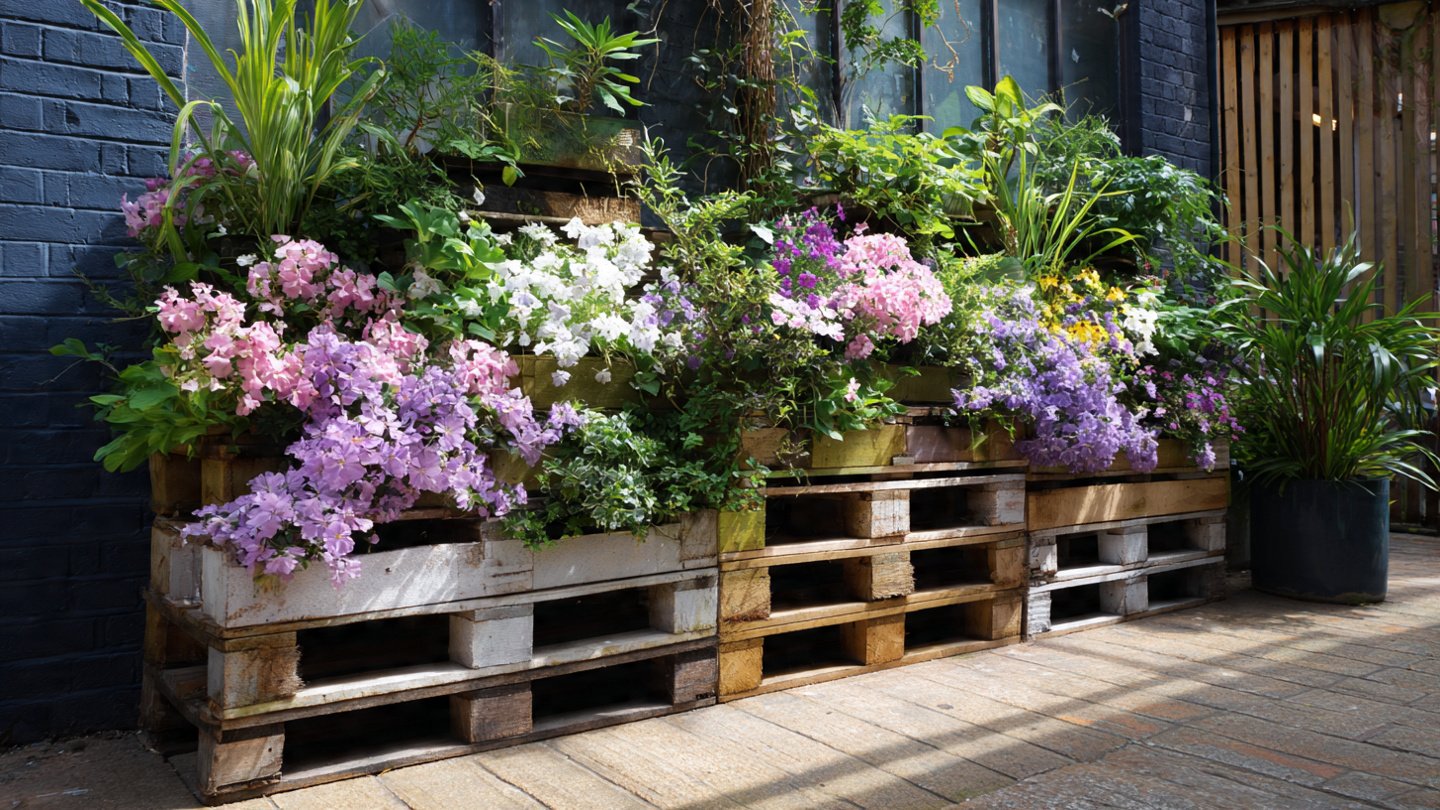

Vertical gardens have taken the gardening world by storm, allowing urban dwellers and gardening enthusiasts alike to embrace greenery in areas where traditional gardens may be impractical. If you’re looking for an affordable, eco-friendly way to create a striking vertical garden, using simple wooden pallets can be a fantastic option. This article will explore the steps to transform basic palettes into a stunning vertical garden, the benefits of such a garden, and tips for maintenance and care.
What Is a Vertical Garden?
A vertical garden, also known as a green wall, is a unique gardening technique where plants grow vertically on a wall or structure instead of horizontally in the ground. This method not only saves space but also adds aesthetic value to your living environment. Vertical gardens can house a variety of plants, from herbs and flowers to vegetables, making them versatile for different gardening needs.
Benefits of Using Pallets for Vertical Gardens
Using wooden pallets as a base for a vertical garden offers several advantages:
- Cost-Effective: Pallets are often available for free or at a low cost from local businesses.
- Eco-Friendly: Repurposing pallets reduces waste and is an excellent way to promote sustainability.
- Space Saving: A vertical garden allows you to maximize limited space, especially in urban settings.
- Custom Design: Pallets can be easily customized and painted to fit your home décor.
- Easy to Build: Creating a vertical garden from pallets requires basic tools and materials.
How to Create a Vertical Garden Using Pallets
Transforming simple pallets into a stunning vertical garden involves a few essential steps. Follow this guide to create your own:
1. Choose the Right Location
Before getting started, select a location that receives ample sunlight. Most plants require at least 6 hours of sunlight daily. Consider placing your vertical garden on a wall, fence, or even a balcony.
2. Gather Your Materials
To create your vertical garden, you’ll need:
- A wooden pallet in good condition
- Landscape fabric or burlap
- Staple gun or heavy-duty staples
- Potting soil
- A variety of plants (herbs, annuals, succulents, etc.)
- Optional: paint and brushes for decoration
3. Prepare the Pallet
If desired, you can paint or stain the pallet to match your outdoor aesthetics. Ensure to use non-toxic, water-based products that are safe for plants. After preparation, lay the pallet flat on a surface.
4. Line the Pallet
Cut pieces of landscape fabric or burlap to fit the back and sides of the pallet. This will serve as a barrier, holding soil and plants in place while allowing for drainage. Use a staple gun to secure the fabric to the pallet, leaving the openings for the plants visible.
5. Add Soil
Carefully prop the pallet up at an angle against a wall or support structure. Fill the sections of the pallet with potting soil, making sure to pack it down lightly to create a solid base for your plants.
6. Plant Your Greenery
Select plants based on your climate, preferred maintenance level, and the amount of sunlight your vertical garden will receive. Consider using:
- Herbs: Basil, mint, thyme, and parsley can thrive in vertical gardens.
- Succulents: Perfect for those who prefer less maintenance.
- Flowers: Petunias, pansies, and lobelias can brighten your garden.
- Vegetables: Small varieties of tomatoes or lettuce can grow well vertically.
7. Maintain Your Vertical Garden
After planting, regularly check your vertical garden for moisture. The soil should be kept moist but not overly saturated. Fertilizing every couple of weeks with a balanced, water-soluble fertilizer will help promote healthy plant growth. Pruning and deadheading will encourage fuller growth and a more vibrant display.
Creative Ideas for Enhancing Your Vertical Garden
Once your vertical garden is established, you can enhance its appearance and functionality with creative additions:
- Lighting: Add fairy lights or solar-powered garden lights to illuminate your vertical garden at night.
- Decorative Elements: Incorporate decorative pots, signs, or garden art to personalize your space.
- Modular Design: Use multiple pallets to create a layered look for added depth and interest.
Conclusion
Transforming simple pallets into a stunning vertical garden is an exciting and rewarding project that anyone can tackle. Not only does this technique provide a beautiful way to incorporate nature into your space, but it also promotes sustainability by repurposing materials you may already have. With careful planning, a bit of creativity, and regular maintenance, your vertical garden can thrive and become an impressive focal point in your home or yard.
FAQs
1. Can any type of pallet be used for a vertical garden?
While most wooden pallets are suitable, ensure that the pallet is in good condition and has not been treated with toxic chemicals. Look for “HT” (heat-treated) pallets for a safer option.
2. How do I choose the right plants for my vertical garden?
Select plants that are suited to your climate and the sunlight conditions of your chosen location. Opt for a mix of herbs, flowers, and possibly vegetables depending on your preference.
3. How often should I water my vertical garden?
Watering frequency will depend on the plants and environmental conditions. Generally, check the soil moisture regularly and water when the top inch feels dry. More frequent watering may be necessary during hot weather.
4. What if I face issues with pests or diseases?
To manage pests, inspect your garden regularly and use organic pest control methods as needed. For diseases, ensure proper ventilation and avoid overcrowding plants to reduce the risk.
5. Can I place my vertical garden indoors?
Yes, you can create a vertical garden indoors, provided it receives adequate sunlight, or you can supplement with grow lights. Choose smaller plants and ensure the area has good drainage.