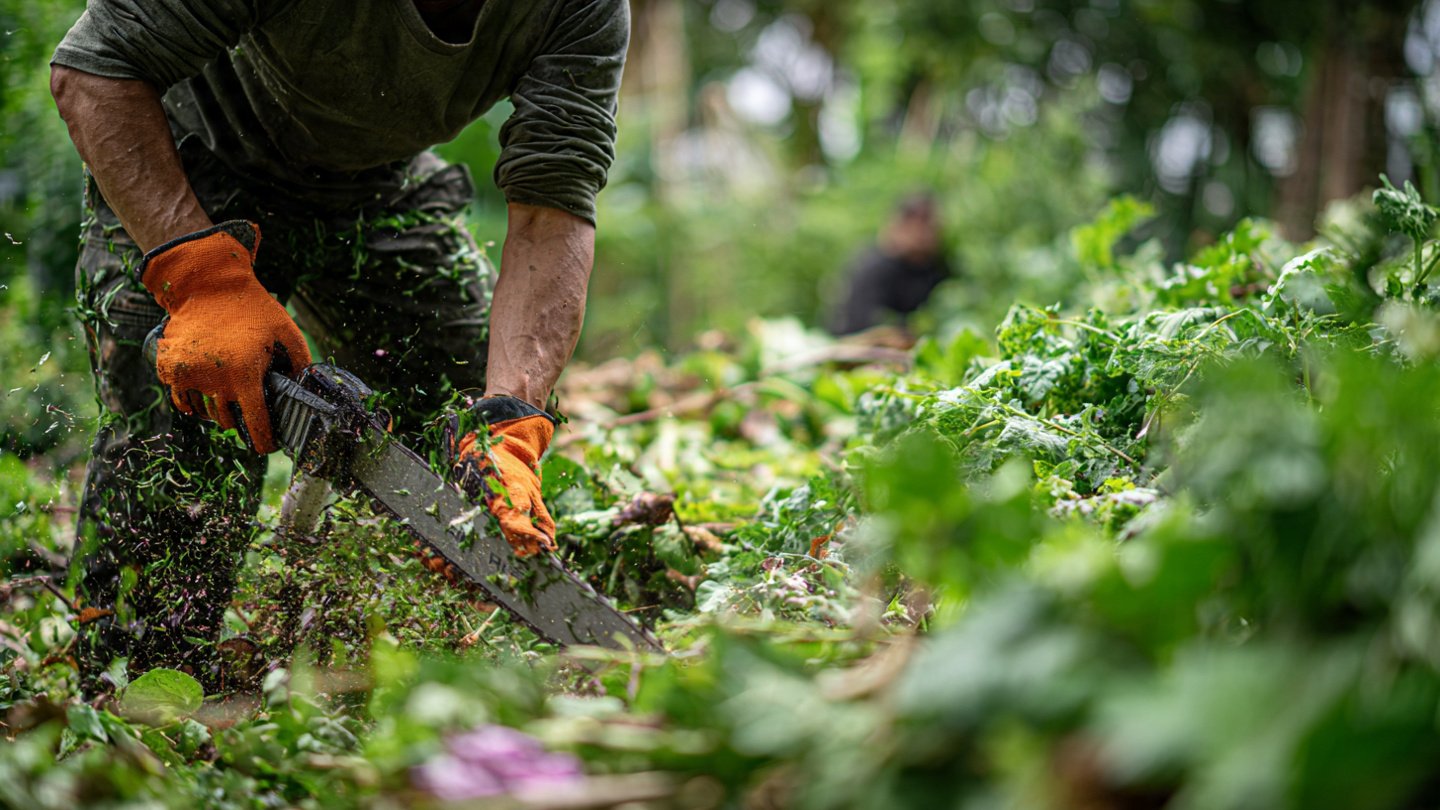

Gardening is an art and a science, with various techniques and methods employed to achieve the best possible results. One method that has gained popularity and praise among professional gardeners is the “Chop and Drop” method. This technique not only enhances the garden’s health but also aligns with environmentally friendly practices. In this article, we will delve into the reasons professional gardeners favor the Chop and Drop method, exploring its benefits, effectiveness, and implementation strategies.
Understanding the Chop and Drop Method
The Chop and Drop method is a form of organic gardening that involves cutting back plant material and leaving it on the ground to decompose. Instead of removing waste, gardeners recycle nutrients back into the soil, providing benefits such as improved soil health and increased biodiversity. This method is particularly popular in permaculture practices, where sustainability is a primary goal. Professional gardeners who use this technique often report healthier plants, reduced workload, and more productive gardens.
Benefits of the Chop and Drop Method
1. Nutrient Enrichment
One of the most significant advantages of the Chop and Drop method is its ability to enrich the soil. When plant material decomposes, it releases nutrients back into the ground, providing essential elements like nitrogen, phosphorus, and potassium. This natural fertilization process reduces the need for synthetic fertilizers, promoting a healthier environment for the plants and reducing the chances of chemical runoff into local water systems.
2. Improved Soil Structure
By utilizing the Chop and Drop method, gardeners can enhance soil structure over time. The decomposing plant material helps to create a rich organic layer that improves soil aeration and water retention. This is particularly beneficial in sandy or clay-heavy soils, where drainage and moisture retention can be problematic. As the soil becomes more structured, roots can grow deeper and strengthen, resulting in more robust plants.
3. Weed Suppression
Leaving cut plant material on the ground can act as a natural mulch, which inhibits weed growth. By covering the soil surface, the chop and drop technique creates a barrier that blocks sunlight from reaching weed seeds and seedlings. This can significantly reduce the time and effort spent on weeding, allowing gardeners to focus on more productive tasks.
4. Pest Attraction and Biodiversity
Another benefit of the Chop and Drop method is its ability to attract beneficial insects and creatures to the garden. Decomposing plant material can support a healthy population of microorganisms, earthworms, and arthropods, all of which contribute to a balanced ecosystem. This increase in biodiversity can help control pest populations naturally, reducing the need for chemical pesticides.
5. Time and Labor Efficiency
For professional gardeners, time is often of the essence. The Chop and Drop method minimizes labor by reducing the need for hauling away garden waste. Gardeners can quickly cut down overgrown plants or spent crops and leave them where they fall, saving considerable time and effort while enhancing the garden.
Implementation Strategies for the Chop and Drop Method
To effectively implement the Chop and Drop method, professional gardeners should consider several strategies:
1. Identify Suitable Plants
Not all plants are appropriate for this method. Perennials, legumes, and other fast-growing plants are ideal candidates. These species usually have a quicker decomposition rate and provide significant nutrient content when left on the soil.
2. Timing the Chop
The timing of cutting back plants is crucial. It’s important to chop at the right stage of growth—typically just before the plants go to seed. This ensures that the plants have time to recover and produce food before being cut back again.
3. Layering Techniques
Professional gardeners often use layering techniques along with the Chop and Drop method. This involves adding additional organic materials such as leaves, straw, or kitchen scraps to ensure a balanced composition and maintain moisture levels in the soil.
4. Monitor Soil Health
Regular monitoring of soil health is essential for ensuring the effectiveness of the Chop and Drop technique. Soil tests can help gardeners understand nutrient levels and pH, allowing for adjustments as necessary.
Conclusion
The Chop and Drop method has proven to be an invaluable tool for professional gardeners striving for sustainable and productive gardening practices. By returning nutrients to the soil, improving soil structure, suppressing weeds, and promoting biodiversity, this technique not only enhances the health of the garden but also reduces labor and resource input. The versatility and benefits of the Chop and Drop method make it a preferred choice for those looking to cultivate flourishing gardens while caring for the environment.
FAQs
1. Is the Chop and Drop method suitable for all types of gardens?
While the Chop and Drop method is highly beneficial, it is particularly well-suited for permaculture gardens and organic practices. It can be applied in vegetable, flower, and herb gardens, but it may not be ideal for all landscaping situations.
2. What types of plants can I use for the Chop and Drop method?
Perennials, legumes, and cover crops are excellent options for the Chop and Drop method. These plants have a fast decomposition rate and enrich the soil effectively.
3. How often should I use the Chop and Drop technique?
This technique can be used seasonally, especially in spring and fall. It is crucial to ensure that plants are chopped just before seed development to allow for recovery and new growth.
4. Do I need to add anything to the chopped plants?
Adding materials like straw, leaves, or compost can enhance the decomposition process and improve soil structure. It is beneficial to layer these materials along with the chopped plant material.
5. Can the Chop and Drop method help with soil erosion?
Yes, by adding organic matter to the soil surface, the Chop and Drop method can help reduce soil erosion, as well as improve water retention and structure.