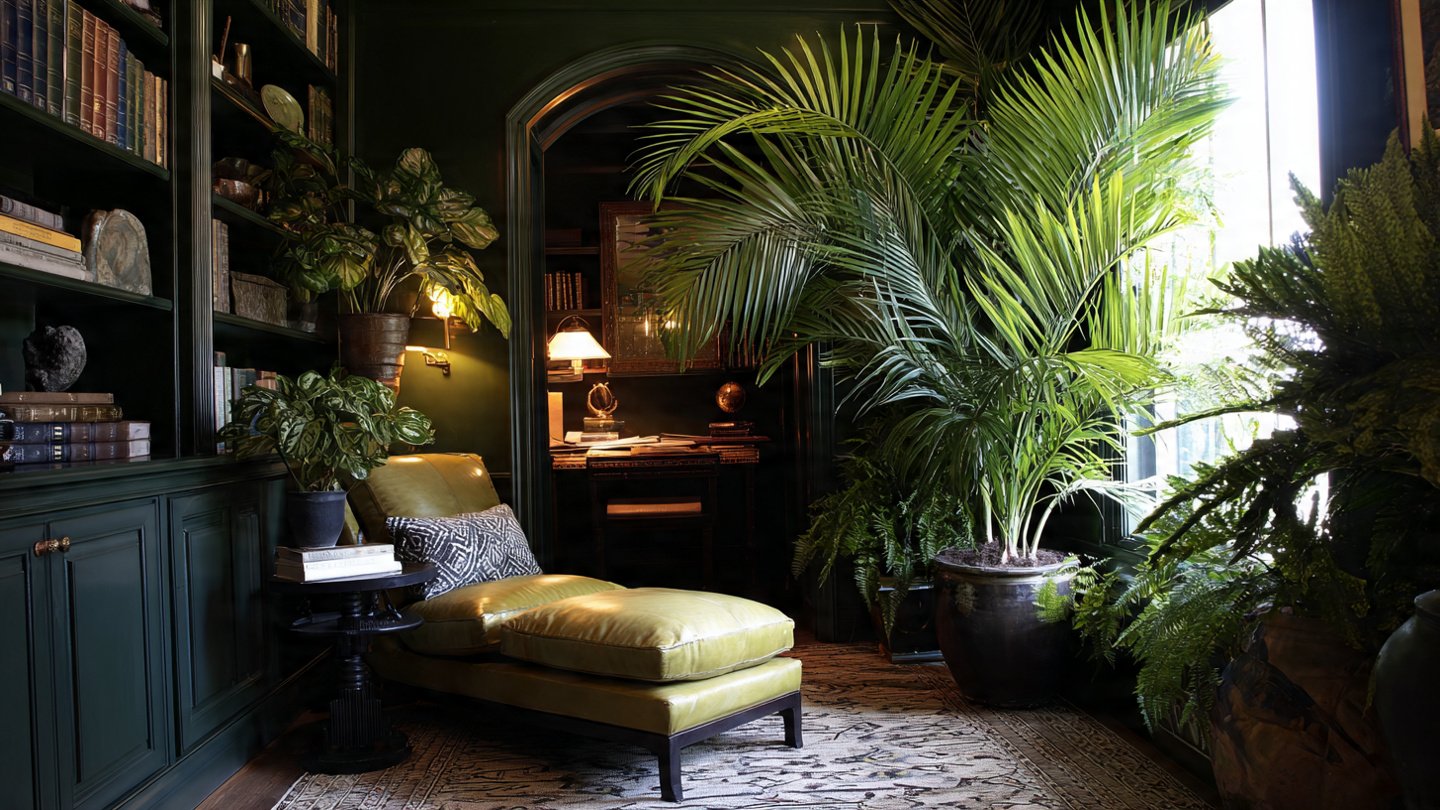

A reading nook is a sanctuary, a personal haven where you can escape the daily grind and dive into the wonderful world of books. It should be a comforting space that inspires relaxation and creativity. One of the most effective ways to elevate your reading nook is by incorporating a large leafy palm. This versatile plant not only ties together your decor but also enhances the ambiance and contributes to your overall well-being. In this article, we’ll explore how to transform your reading nook using a large leafy palm, covering aspects like selection, placement, care, and decor integration.
The Benefits of Adding a Large Leafy Palm
Before diving into the how-tos, it’s essential to understand why a large leafy palm makes a suitable choice for your reading nook. Here are some benefits:
- Aesthetic Appeal: The luscious greenery and dramatic foliage of a palm can create a serene backdrop, turning your nook into a cohesive and inviting area.
- Air Quality Enhancer: Indoor plants, including palms, are known to purify air by absorbing toxins, creating a healthier atmosphere, which is perfect for reading.
- Stress Reduction: Being around greenery has been shown to reduce stress levels, making your reading experience more enjoyable.
- Natural Humidity: Large leafy palms release moisture into the air, improving humidity levels, which can be beneficial in dry environments.
Selecting the Right Palm
Not all palms are created equal. When choosing the perfect palm for your reading nook, consider the following types:
1. Areca Palm (Dypsis lutescens)
The Areca palm, also known as the butterfly palm, has feathery, arching leaves that can add a tropical vibe to your space.
2. Kentia Palm (Howea forsteriana)
With its elegant fronds, the Kentia palm can thrive in low light and makes for a graceful addition to any room.
3. Parlor Palm (Chamaedorea elegans)
This smaller palm is perfect for tighter spaces and offers a classic look, making it a favorite among indoor plant enthusiasts.
Placement of the Palm
Placement is key to maximizing the impact of your palm. Here are some suggestions:
1. Corner Standout
Place the palm in one corner of your reading nook to draw the eye upward. This can create the illusion of height and spaciousness in a smaller area.
2. Near Natural Light
Select a spot that receives indirect sunlight. Palms thrive in bright, filtered light, so positioning them near a window can promote healthy growth.
3. Sociable Companion
Consider placing the palm next to your favorite reading chair or small side table. This way, it can be an integral part of your nook’s layout.
Enhancing Your Nook’s Aesthetics
Once you’ve chosen and placed your palm, it’s time to integrate it into your reading nook in a way that enhances its overall aesthetics. Here are some decor suggestions:
1. Coordinated Accessories
Use decor elements that complement the green hues of the palm. Think cushions, throws, or artwork featuring earth tones or tropical themes.
2. Layered Textures
Incorporate different textures—like a soft rug, woven basket for your books, or a comfy chair. The palm’s leaves have a glossy texture that contrasts beautifully with softer materials.
3. Natural Elements
Add other natural elements such as wooden shelves or stone accents to reinforce the organic feel of your reading nook. Pairing the palm with these elements will create a balanced, cohesive look.
Caring for Your Large Leafy Palm
To ensure your palm thrives and continues to beautify your reading nook, proper care is essential. Here are some tips:
1. Watering
Palm trees generally prefer to be kept on the drier side. Water them when the top inch of soil feels dry. Ensure proper drainage to avoid root rot.
2. Light Requirements
While they enjoy bright, indirect light, some palms can adapt to low light. However, placing them too far from light sources may hinder their growth.
3. Humidity Levels
Palms thrive in humid environments. If your home is dry, consider misting the leaves periodically or using a humidity tray to maintain moisture.
4. Fertilizing
During the growing season (spring and summer), a balanced fertilizer can encourage growth. Follow package instructions for frequency and amounts.
Creating a Cozy Atmosphere
To make your reading nook more inviting, consider creating a cozy atmosphere around your palm. Here are some suggestions:
1. Soft Lighting
Add a warm, ambient lamp or fairy lights in the corner of your nook to create a soft glow that pairs well with the lushness of the palm.
2. Comfort Items
Include throw blankets, pillows, and a small side table for your beverages or snacks. These small touches will make the space feel warm and inviting.
3. Sound and Scents
Consider adding a small water feature for soothing sounds or a diffuser with essential oils to impart a refreshing scent to the space, enhancing your reading experience.
Conclusion
A reading nook should be a personal retreat that fosters relaxation and creativity. By incorporating a large leafy palm, you can significantly enhance this environment, making it more aesthetically pleasing and beneficial to your well-being. The vibrant greenery of a palm can transform your space, creating a serene atmosphere that’s perfect for your reading adventures. Take into consideration the type of palm, its placement, and how to best integrate it into your decor for a truly transformative effect. So grab your favorite book, a cup of tea, and settle into your beautifully transformed reading nook.
FAQs
1. How much light does a large leafy palm need?
Most palms prefer bright, indirect light but can tolerate lower light conditions. If your palm seems to be struggling, check its light exposure.
2. Can I keep a palm in my reading nook year-round?
Yes, palm trees generally adapt well to indoor living conditions. Just ensure you provide the right amount of light, water, and humidity.
3. What should I do if my palm starts to yellow?
Yellowing leaves can indicate overwatering, underwatering, or lack of nutrients. Check the soil moisture, and consider fertilizing if needed.
4. How often should I fertilize my palm?
During the spring and summer growing seasons, fertilize every 4-6 weeks using a balanced liquid fertilizer for best results.
5. Are palms pet-friendly?
Most popular indoor palms, like the Areca and Kentia palms, are considered non-toxic to pets. However, always check specific species for toxicity concerns.