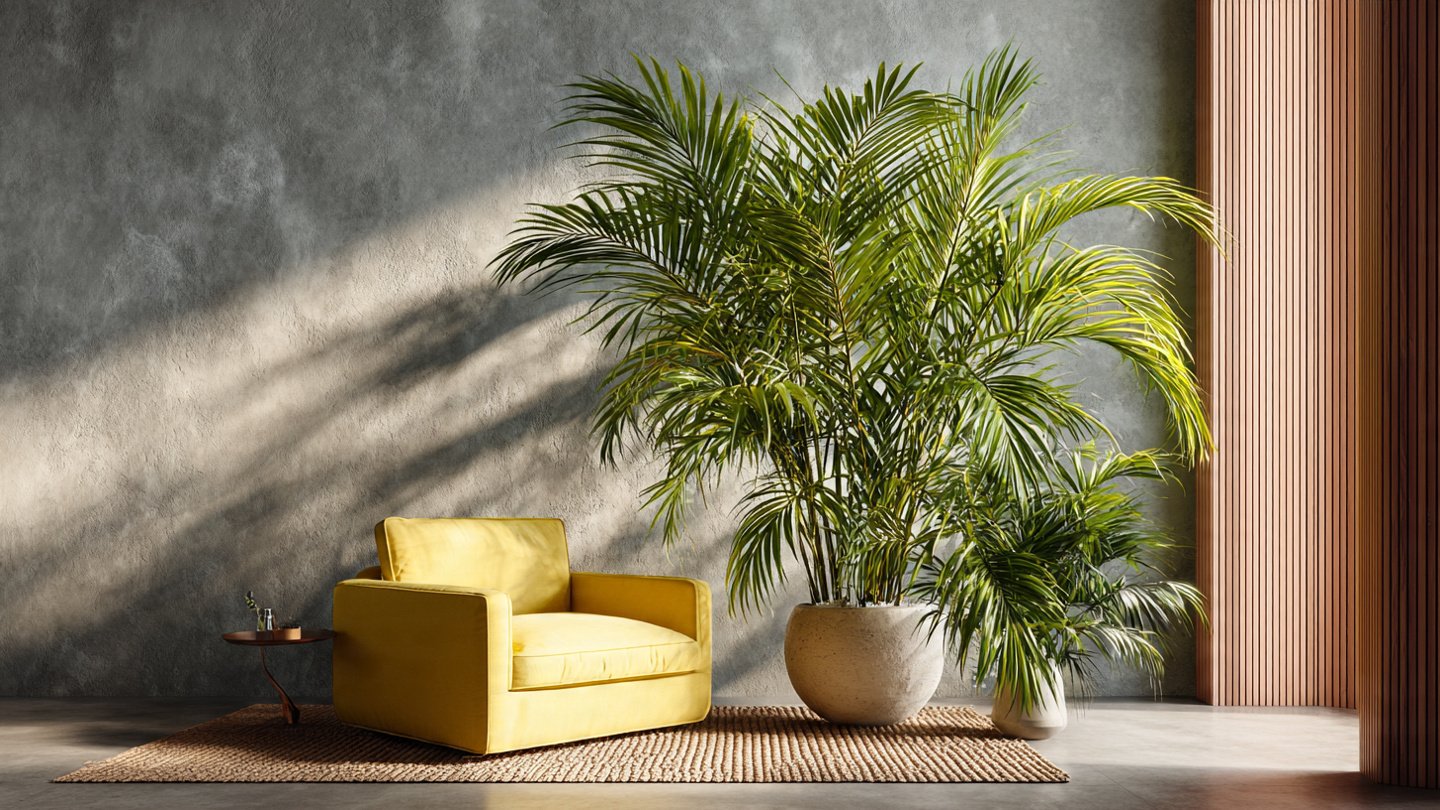

The Majesty Palm, known scientifically as Ravenea rivularis, is a beloved tropical plant that has gained popularity for indoor spaces due to its elegant fronds and graceful stature. As you contemplate whether it’s a suitable option for your home or office, it’s essential to consider various factors, including lighting, space, care requirements, and overall aesthetic appeal.
Characteristics of the Majesty Palm
The Majesty Palm is native to Madagascar and thrives in its natural habitat with ample rainfall and humidity. Below are some key characteristics of the Majesty Palm that can help you determine if it is suitable for your indoor environment:
- Size: The Majesty Palm can grow up to 10 feet in indoor spaces, with fronds that can extend over several feet in width.
- Leaves: Its long, arching leaves have a distinctly feathery appearance, lending an airy feel to any room.
- Color: The lush green foliage provides a pop of color and enhances indoor aesthetics.
- Growth Rate: This palm is relatively fast-growing, which can be a blessing and a curse, depending on your long-term plans.
Light Requirements
One of the most significant considerations for growing a Majesty Palm indoors is its light requirement. Here are some details to keep in mind:
- Bright, Indirect Light: The Majesty Palm prefers bright, indirect sunlight. It can tolerate some direct sunlight, but too much can scorch its leaves.
- Lesser Light Conditions: While it can adapt to lower light levels, it may not thrive and could exhibit slower growth or leaf drop in dimmer settings.
If your home or office has limited natural light sources, you might want to consider using grow lights to supplement this deficiency.
Watering Needs
Watering practices are crucial for the health of your Majesty Palm. Understanding its specific needs helps prevent overwatering or underwatering—two common issues with indoor palms:
- Moisture Level: This plant prefers consistently moist soil but dislikes soggy roots. Always check the top inch of the soil; if it’s dry, it’s time to water.
- Winter Care: During the winter months, reduce the frequency of watering as the plant enters a phase of dormancy.
Humidity and Temperature
Majesty Palms love high humidity levels. While they can tolerate average indoor humidity, keeping the environment damp will produce better results:
- Optimal Humidity: Aim for humidity levels around 50-70%. This can be achieved using a humidifier or by misting the leaves regularly.
- Ideal Temperature: The ideal temperature range for this palm is between 65°F and 80°F (18°C – 27°C). Avoid placing it near drafts or heating vents, which could cause temperature fluctuations.
Soil and Fertilization
Providing the proper soil and fertilizer is essential for the health and growth of your Majesty Palm:
- Soil Type: Choose a well-draining potting mix, ideally one designed for palms or tropical plants. This helps prevent root rot, a common issue for indoor palms.
- Fertilization: Feed your Majesty Palm with a balanced liquid fertilizer every 4-6 weeks during the growing season (spring and summer). Decrease or stop fertilization during the fall and winter months.
Common Pests and Problems
Like any houseplant, the Majesty Palm can fall victim to pests and diseases. Regular monitoring and prompt action are crucial:
- Pests: Common pests include spider mites, mealybugs, and scale. If you notice sticky residue or discolored leaves, inspect your plant closely.
- Leaf Issues: Brown tips on the leaves may signify underwatering or low humidity, while yellowing leaves could indicate overwatering.
Aesthetic Appeal
The Majesty Palm is undeniably beautiful, and its elegant appearance can significantly enhance indoor aesthetics. Here are some key points regarding its visual impact:
- Decorative Touch: The lush, green fronds add a tropical vibe and make the space feel more inviting and lively.
- Versatile Placement: Its tall stature makes it suitable for corners or as a statement piece in larger rooms, and it blends well with modern and traditional decor alike.
Pros and Cons of Majesty Palm as an Indoor Plant
Before committing to a Majesty Palm, it’s essential to weigh its advantages and disadvantages:
Pros:
- Aesthetic appeal adds beauty to any room.
- Air-purifying qualities, which can improve indoor air quality.
- Graceful fronds create an elegant atmosphere.
Cons:
- High humidity requirements may not suit all indoor environments.
- It can grow quite large, necessitating additional space.
- Requires regular care to prevent pests and diseases.
Conclusion
The Majesty Palm can be an excellent addition to indoor spaces, particularly if you can provide the right conditions for its growth. Its stunning aesthetic and air-purifying qualities make it a popular choice. However, potential owners must also consider the care requirements and space constraints. By understanding how to meet its needs, you can enjoy the lush beauty of this enchanting palm in your home or office.
FAQs
1. How often should I water my Majesty Palm?
You should water your Majesty Palm when the top inch of soil feels dry, typically every 1-2 weeks, depending on humidity and temperature.
2. Can I grow a Majesty Palm in low light?
While they can tolerate low light conditions, Majesty Palms thrive best in bright, indirect light. Consider using grow lights if your space lacks natural light.
3. What should I do if my Majesty Palm’s leaves are turning yellow?
Yellowing leaves can indicate overwatering or insufficient light. Check the soil moisture and adjust your light exposure as needed.
4. Is the Majesty Palm pet-friendly?
Yes, the Majesty Palm is non-toxic to pets, making it a safe choice if you have dogs or cats in your home.
5. How much humidity does a Majesty Palm need?
Majesty Palms prefer humidity levels around 50-70% for optimal growth. Use a humidifier or regularly mist the leaves to maintain humidity.