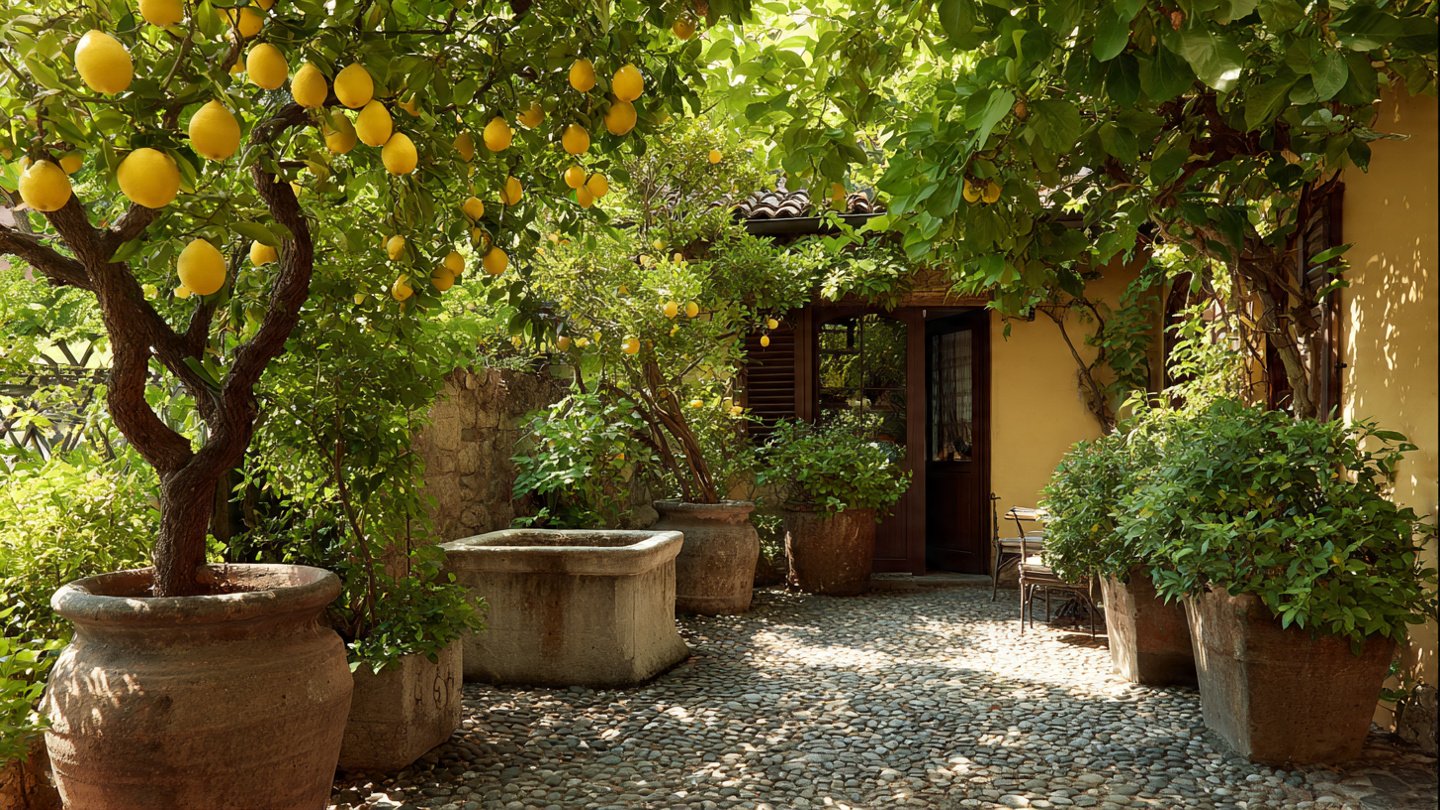

Creating a Tuscan oasis in your garden can transport you to the picturesque landscapes of Tuscany, Italy, known for its rolling hills, charming villas, and vibrant lemon groves. The essence of Tuscany lies in its outdoor living, where every inch of a garden is cherished and nurtured. By incorporating lemon trees and stone pots, you can achieve that dreamy Italian ambiance right in your backyard. Here’s how to design an enchanting Tuscan oasis that not only dazzles the eye but also soothes the soul.
Understanding the Tuscan Aesthetic
1. The Essence of Tuscany
The Tuscan aesthetic is rooted in nature, simplicity, and harmony. It blends rustic elements with a touch of elegance. Colors are often warm, featuring earth tones like ochre, burnt sienna, and terracotta, complemented by lush greens. Outdoor spaces are designed for relaxation and socializing, emphasizing the importance of alfresco living.
2. Key Features
- Natural Materials: Stone, wood, and terracotta are prevalent in Tuscan gardens, providing warmth and a sense of authenticity.
- Lemon Trees: Symbolizing prosperity and vitality, lemon trees are a staple of Tuscan landscapes. Their vibrant yellow fruit adds color and fragrance.
- Outdoor Living Spaces: Comfortable seating, shaded areas, and dining spaces encourage outdoor gatherings.
Selecting the Right Lemon Trees
1. Choosing the Variety
Lemon trees flourish in warm climates, making them well-suited for Mediterranean-inspired gardens. Common varieties to consider include:
- Eureka Lemons: Known for their bright, tangy flavor, these lemons produce fruit year-round.
- Lisbon Lemons: Similar to Eureka, this variety thrives in sunny conditions and is highly productive.
- Meyer Lemons: A cross between a lemon and a mandarin, Meyer lemons are sweeter and less acidic.
2. Growing Environment
Lemon trees require full sun (at least 8 hours a day) and well-draining soil. If you live in a cooler climate, opt for a containerized lemon tree that can be moved indoors during winter months.
3. Care and Maintenance
- Watering: Lemon trees prefer deep, infrequent watering to encourage deep root growth. Ensure the pot has drainage holes to prevent root rot.
- Fertilization: Use a balanced fertilizer specifically designed for citrus trees every few months during the growing season (spring through fall).
- Pruning: Regularly prune your lemon trees to maintain shape and remove dead or diseased branches.
Choosing the Right Stone Pots
1. Selecting Stone Pots
Stone pots—whether they are made of natural stone, terracotta, or concrete—are essential for a Tuscan garden. They offer durability and classic elegance.
- Material: Choose pots made from materials that can withstand outdoor conditions and offer good insulation for the roots.
- Size: Ensure the pots are large enough to allow ample growth for your lemon trees, generally at least 18 to 24 inches in diameter.
2. Pot Designs
- Rustic Textures: Look for pots with a weathered look or traditional patterns that mimic the rustic charm of Tuscan architecture.
- Color Palette: Neutral tones like beige, gray, and terracotta can blend seamlessly with the natural surroundings.
Designing Your Tuscan Oasis
1. Layout Planning
Planning your garden layout is crucial for creating a cohesive Tuscan oasis:
- Focal Point: Place a few large stone pots with lemon trees as focal points. Consider grouping them together to create visual interest.
- Pathways: Create winding pathways lined with herbs and flowers to mimic the meandering roads of Tuscany. Use gravel or natural stone to enhance the rustic feel.
2. Incorporating Additional Flora
While lemon trees are the stars of your Tuscan oasis, complement them with other plants:
- Herbs: Plant fragrant herbs like rosemary, basil, and thyme around your lemon trees. They thrive in similar conditions and offer culinary delights.
- Flowers: Add pops of color with flowering plants like geraniums, lavender, and sunflowers. These add fragrance and attract pollinators.
3. Creating Seating Areas
Incorporate outdoor seating areas to encourage relaxation and socializing:
- Stone Benches: Consider adding rustic stone benches or a dining set made from reclaimed wood. The natural materials will enhance the Tuscan atmosphere.
- Shade Structures: Install a pergola draped with climbing plants or fabric to provide shade during hot summer days.
Adding Tuscan Decor
1. Accessories
Decorative elements play a significant role in achieving a Tuscan vibe:
- Terracotta Pots: In addition to stone pots, terracotta pots can add warmth and character. Use them for herbs or smaller plants.
- Statues and Fountains: Consider incorporating a small stone fountain or garden statue as a focal point.
2. Lighting
Outdoor lighting enhances the ambiance for evening gatherings:
- String Lights: Drape string lights across the seating area or pergola to create a magical glow.
- Lanterns: Use rustic lanterns on tables or hanging from trees to provide soft illumination.
Maintaining Your Tuscan Oasis
1. Seasonal Care
Keep your Tuscan oasis thriving:
- Spring: Fertilize your lemon trees and prune as necessary. This is also a good time to plant seasonal flowers and herbs.
- Summer: Ensure adequate watering during the hot months. Regularly deadhead flowers to encourage blooming.
- Fall: Harvest any fruit and prepare your lemon trees for winter by moving them indoors if necessary.
- Winter: Protect your outdoor plants from frost, and ensure indoor lemon trees receive sunlight.
2. Pest Management
Maintain a pest-free garden:
- Natural Remedies: Use insecticidal soap or neem oil for pest management. Regularly inspect your lemon trees for signs of pests and act promptly.
Enjoying Your Tuscan Oasis
Creating a Tuscan oasis with lemon trees and stone pots is not just about visual aesthetics; it’s about embracing the lifestyle that comes with it. Spend afternoons sipping lemonade made from your own fruit, host dinner parties under candlelight, or simply unwind with a good book amidst the fragrant foliage.
1. Culinary Delights
Utilize the fruits of your labor by incorporating lemons into your cooking:
- Lemon Dishes: Create lemon-based recipes, from salads and dressings to baked goods that celebrate the vibrant flavor.
- Herb Pairings: Enhance your meals with fresh herbs from your garden, creating dishes that are both delicious and aromatic.
2. Social Gatherings
Your Tuscan oasis can become the perfect setting for gatherings:
- Wine and Dine: Host a dinner party featuring Italian cuisine, taking advantage of the seasonal produce from your garden.
- Relaxation: Invite friends for an afternoon of tea or coffee among the verdant greenery, enjoying the sights and scents of your beautifully crafted space.
Conclusion
Crafting a Tuscan oasis with lemon trees and stone pots is a journey into the heart of Italian living. It encapsulates the beauty of nature, the joy of gardening, and the essence of relaxation. By carefully selecting the right plants, designing a harmonious layout, and incorporating beautiful elements, you can create a serene retreat that reflects the charm of Tuscany.
As you endeavor to build this enchanting space, remember that a garden is a living entity that requires patience and care. Over time, your Tuscan oasis can grow and evolve, becoming a cherished sanctuary for yourself and your loved ones to enjoy for years to come. So roll up your sleeves, embrace the spirit of Tuscany, and watch as your dream oasis comes to life.