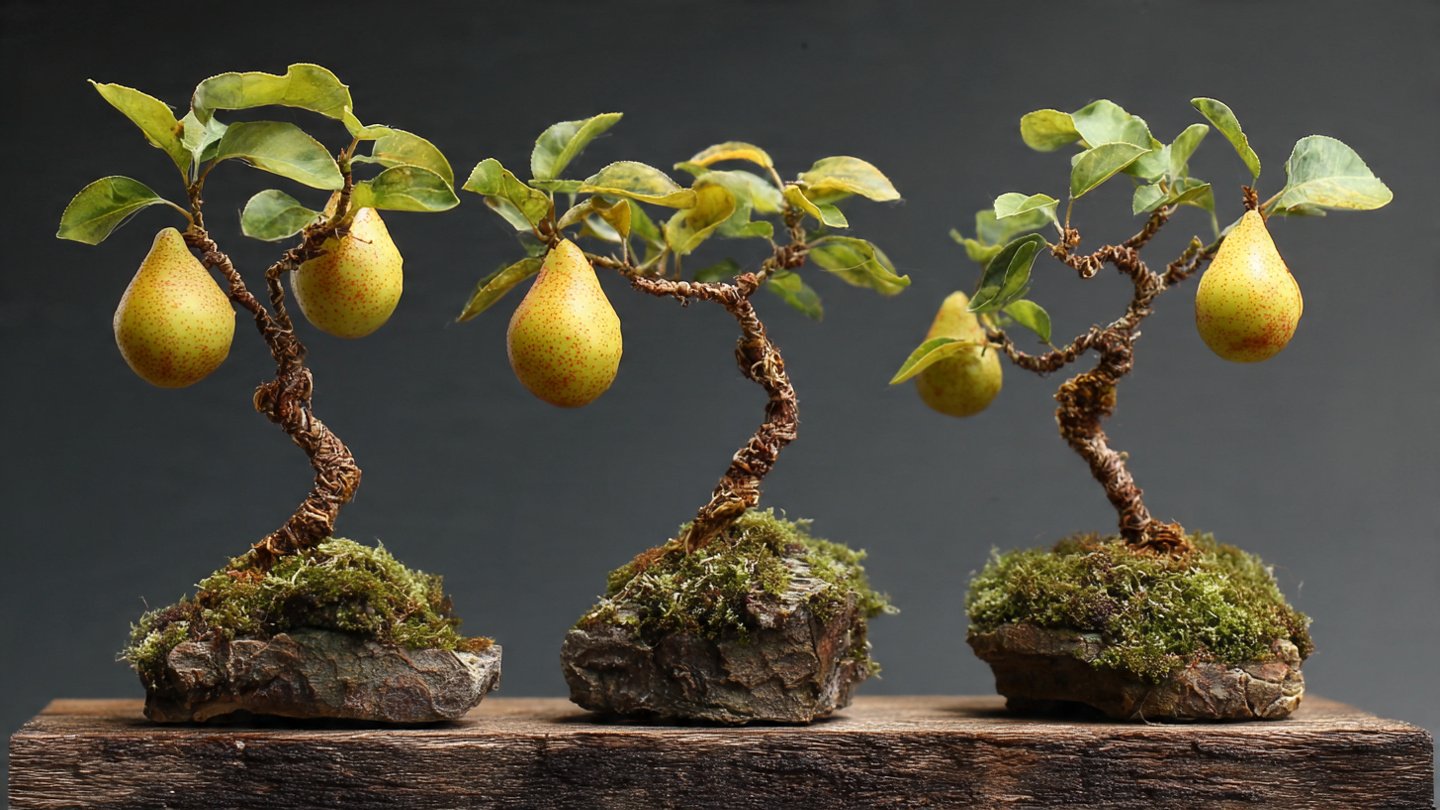

Miniature columnar trees have gained immense popularity among gardeners, and for good reason. Their unique growth patterns and compact size make them ideal for small gardens, urban spaces, and even containers. For those who dream of harvesting luscious, juicy pears from their garden, understanding what makes these trees vital can open up a world of possibilities.
What Are Miniature Columnar Trees?
Miniature columnar trees are characterized by their narrow, upright growth and limited spread. While traditional trees require considerable space, columnar varieties fit snugly into smaller areas, making them perfect for patio gardens, urban homes, and even balconies. These trees maintain a sleek silhouette, often growing to a height of 6-12 feet, with minimal branching.
Why Choose Columnar Trees for Pear Cultivation?
- Space Efficiency: Traditional pear trees can require a significant amount of horizontal space for proper growth and fruiting. Columnar trees allow gardeners to maximize vertical space, making it feasible to grow fruit in confined areas.
- Ease of Harvesting: The compact form of columnar trees means that fruits are often within easy reach, making the harvesting process much simpler. Gardeners can enjoy freshly picked pears without the need for ladders or specialized equipment.
- Reduced Maintenance: With fewer branches and a more organized growth pattern, columnar trees typically experience fewer pest and disease issues, simplifying care procedures.
- Ornamental Appeal: These trees also add aesthetic value to gardens with their unique shape and the beauty of their fruit-bearing potential. They serve dual purposes of function and ornamentation.
Common Varieties for Pear Cultivation
When it comes to columnar pear trees, several varieties thrive and produce delicious fruit:
- Ure Pear: Known for its hardiness and disease resistance, the Ure pear yields sweet and juicy fruits that are perfect for fresh eating and cooking.
- Bartlett Pear: One of the most popular varieties, Bartlett pears are prized for their exceptional flavor, making them a favorite among home gardeners.
- Harrow Sweet: This variety is known for its unique flavor profile, combining sweetness with a hint of spiciness, ideal for both fresh consumption and desserts.
- PYRUS calleryana: Also known as the Callery pear, this ornamental option also produces fruits that, while small, can be utterly delightful.
Optimal Growing Conditions for Miniature Columnar Pear Trees
To guarantee the success of your miniature columnar pear trees, understanding their growing conditions is vital:
1. Soil Requirements
Columnar pear trees thrive in well-draining soil rich in organic matter. A pH level between 6.0 and 7.0 is ideal. Consider incorporating compost to improve soil fertility and drainage.
2. Sunlight
These trees require full sunlight to produce juicy pears, ideally receiving at least 6-8 hours of direct sunlight each day. Insufficient sunlight can result in poor fruit quality and reduced yields.
3. Watering
While columnar trees are somewhat drought-tolerant, consistent watering is important, especially during the fruiting season. Aim for deep watering methods that encourage deep root growth while avoiding waterlogging.
Pollination Needs
Most pear trees, including miniature columnar varieties, benefit from cross-pollination to produce fruit efficiently. Planting more than one variety nearby can enhance pollination rates and ensure a reliable yield of juicy pears.
Pruning for Productivity
While the compact nature of miniature columnar trees often reduces the need for aggressive pruning, periodic maintenance is still necessary:
- Remove dead or damaged branches annually to improve air circulation.
- Shape the tree in early spring to retain its desirable height and structure.
- Limit pruning to avoid disrupting fruit production, especially during the bloom cycle.
Common Pests and Diseases
Like any fruit tree, columnar pears are susceptible to various pests and diseases. Some common ones include:
- Pear Psylla: These tiny insects feed on leaves, leading to yellowing and fruit drop. Regular monitoring and the introduction of beneficial insects can help control their population.
- Crown Gall: A soil-borne bacterium that can cause abnormal growths on roots. Proper soil management and using disease-resistant rootstocks can mitigate this issue.
- Fire Blight: This bacterial disease can be fatal and is characterized by blackened flowers and branches. Infection prevention involves proper pruning and avoiding excessive nitrogen fertilization.
Harvesting Your Juicy Pears
The timing of harvesting pears is crucial for achieving optimal flavor and texture. Pears should be picked when they are mature but still firm. Check for slight color changes, particularly in varieties like Bartlett. The fruit should begin to yield slightly to gentle pressure. Store harvested fruit in a cool place to allow it to ripen further, enhancing flavor.
Conclusion
Miniature columnar trees represent a remarkable innovation in home gardening, particularly for those looking to grow fruits like pears in limited spaces. Their easy maintenance, ornamental beauty, and efficient use of space make them an attractive option for urban and suburban gardeners alike. With the right conditions and care, these trees can reward you with an abundant harvest of juicy pears, making your gardening endeavors all the more fulfilling.
FAQs
1. Can miniature columnar pear trees be grown in containers?
Yes, they are ideal for container gardening. Just ensure the pot is large enough to accommodate their root system and provides good drainage.
2. Do columnar pear trees require fertilization?
Yes, they benefit from regular fertilization, especially with organic compost in the spring to promote healthy growth and fruit production.
3. How can I propagate columnar pear trees?
Propagation is typically done through grafting or purchasing young trees from a nursery, as pear trees don’t root easily from cuttings.
4. Are there any specific pests to be particularly aware of?
Look out for pear psylla and fire blight, which can be common issues. Regular monitoring and good cultural practices can help manage these problems.