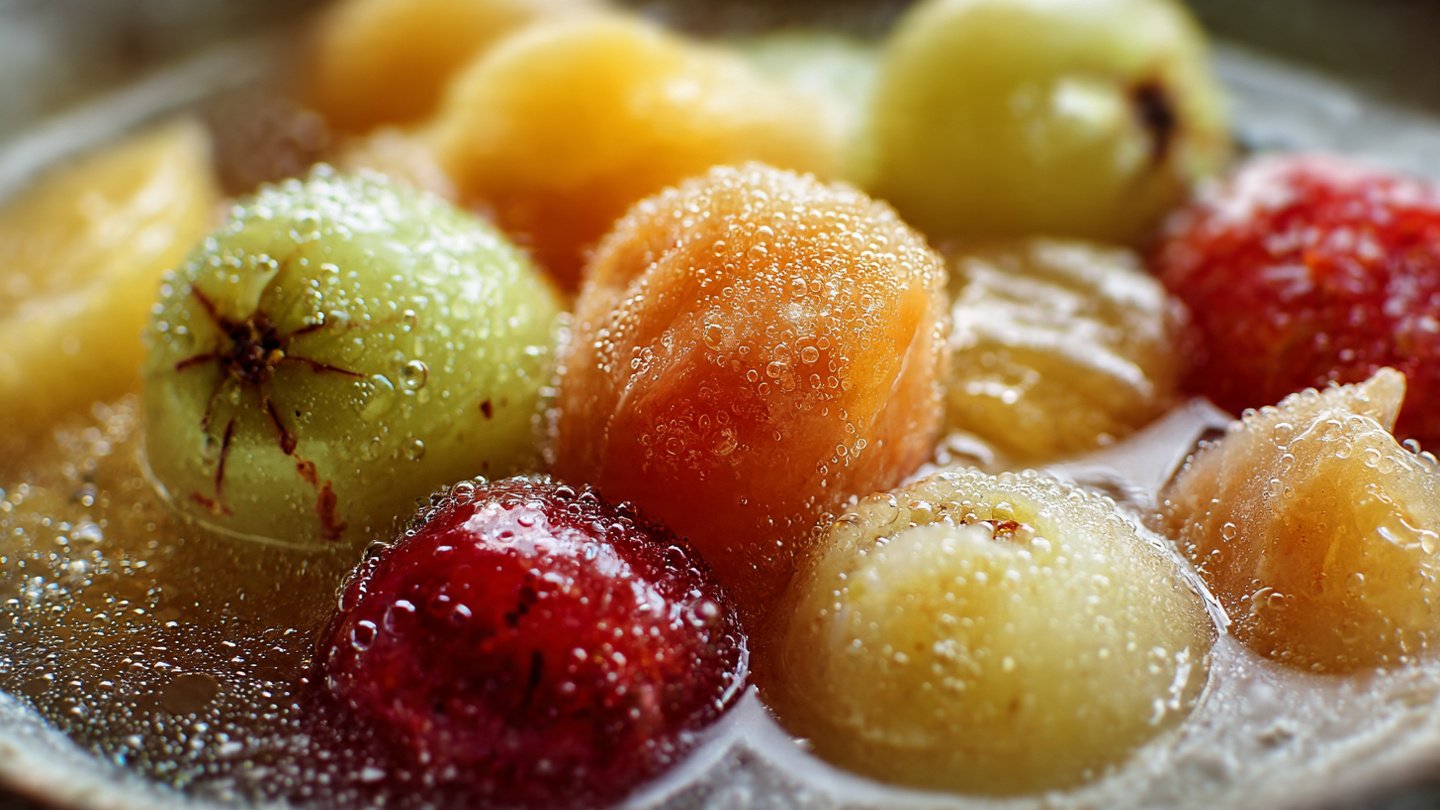

Rice water, the starchy liquid obtained from rinsing or boiling rice, is a hidden gem in culinary practices. While primarily popular in beauty routines and skincare, this simple liquid has culinary benefits that are often overlooked. One fascinating application of rice water is its ability to enhance the sweetness of fruits. This article explores how rice water can transform your fruits into sweeter delights, the science behind it, various methods to use it, and the benefits it offers.
Understanding Rice Water
Rice water is rich in vitamins, minerals, and amino acids, which are beneficial for both plants and humans. It is typically made by soaking rice in water, which allows nutrients to leach into the liquid. The composition of rice water varies depending on the type of rice used and the method of preparation, but it generally contains:
- Vitamins B and E
- Minerals like magnesium, phosphorus, and potassium
- Amino acids
- Antioxidants
These nutrients play vital roles in promoting healthy growth in plants and are beneficial in enhancing the flavor profiles of fruits.
The Science Behind Sweetness
Sweetness in fruits primarily comes from natural sugars, including fructose, glucose, and sucrose. When fruits are treated with rice water, several processes can enhance their sweetness:
- Osmosis: The sugars in fruits can become more concentrated when rice water is applied, as the water moves into the fruit cells, drawing sugars along with it.
- Fermentation: If allowed to sit, rice water can ferment slightly, producing natural sugars that can be absorbed by the fruit.
- Nutrient Boost: The vitamins and minerals found in rice water can stimulate the production of enzymes responsible for sugar synthesis within fruits.
Methods to Use Rice Water on Fruits
There are various methods to harness the power of rice water to sweeten your fruits. Here are some of the most effective ways:
1. Soaking Fruits in Rice Water
Soaking fruits in rice water can help improve their sweetness. Here’s how to do it:
- Prepare Rice Water: Rinse a cup of rice, then soak it in two cups of water for about 30 minutes. Strain the liquid into a bowl.
- Soak Fruits: Place your chosen fruits, such as apples or strawberries, into the rice water. Let them soak for 30 minutes to an hour.
- Rinse and Enjoy: After soaking, rinse the fruits under cool water to remove excess starch and enjoy their enhanced sweetness.
2. Spraying Rice Water on Fruits
Another effective method involves using rice water as a spray. This is particularly useful for larger fruits like melons or peaches.
- Prepare Rice Water: Follow the same steps to prepare rice water.
- Transfer to Spray Bottle: Fill a spray bottle with the rice water.
- Spray Fruits: Lightly spray the surface of the fruits and allow them to sit for about 15-20 minutes before rinsing or eating.
3. Using Rice Water in Smoothies
For a delicious twist in your smoothies, use rice water instead of regular water or juice. This method not only adds sweetness but also a creamy texture. Here’s a simple smoothie recipe:
- 1 banana
- 1 cup of berries (strawberries, blueberries, etc.)
- 1 cup of rice water
- 1 tablespoon of honey (optional)
- Blend all ingredients until smooth and enjoy!
Benefits of Using Rice Water on Fruits
Beyond enhancing the sweetness of fruits, rice water offers multiple other benefits:
- Natural and Non-Toxic: Unlike chemical sweeteners, rice water is a natural method to enhance sweetness without any harmful additives.
- Increased Nutritional Value: Rice water adds antioxidants and other nutrients that can contribute positively to one’s health.
- Versatile Use: Rice water can be used for various fruits, making it a universal enhancer in your kitchen.
- Cost-Effective: Using something as simple as rice water can help reduce food waste while maximizing flavor.
Conclusion
Rice water is an underrated but powerful ingredient that can significantly transform the sweetness of fruits. By using it thoughtfully, you not only enhance the flavor but also boost the nutritional value of your produce. Whether you soak, spray, or blend your fruits with rice water, the results are bound to be a sweeter and more delightful experience. Incorporate this simple technique into your kitchen routine and enjoy the delicious transformation of your fruits!
FAQs
1. Can I use any type of rice to make rice water?
Yes, you can use any type of rice, including white, brown, or jasmine. Each type may impart slightly different flavors and nutrients.
2. How often can I use rice water on fruits?
You can use rice water regularly, but it’s best to use it fresh. Prepare small batches and avoid storing old rice water.
3. Is rice water safe for all fruits?
Generally, rice water is safe for all fruits. However, it’s wise to rinse fruits afterward, especially if they have porous skins like berries.
4. Can I consume rice water directly?
Yes! Rice water is safe to drink and can be a nutritious addition to your diet.
5. What other uses does rice water have?
Rice water is widely used in skincare and haircare for its nourishing properties. It’s known to promote healthy hair and skin.