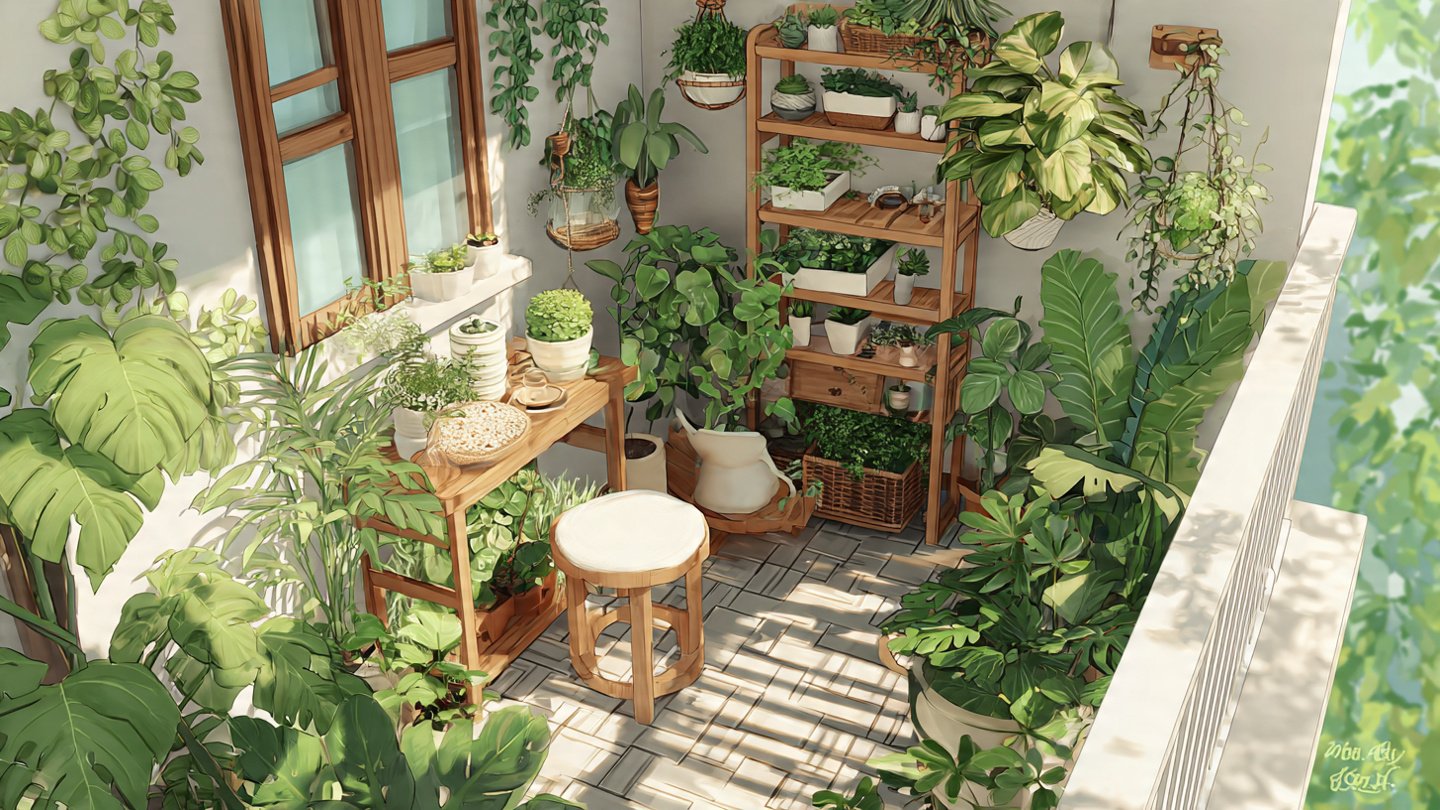

Balconies, no matter how small, can become a personal oasis with the right transformation strategies. While it may seem challenging to create a sprawling terrace from a tiny balcony, with careful consideration of space, design, and material use, you can significantly enhance the usability and aesthetic appeal of your outdoors.
Assessing Your Space
The first step in your transformation journey is to assess the available space. Measure your balcony carefully to get a clear understanding of the dimensions. Note the layout, including access points and any existing features like railings or fixtures that might impact your design choices.
Understanding Limitations
Identify any limitations imposed by your building regulations or HOA guidelines, which might restrict certain installations like barriers or permanent decorations. Awareness of weight limits is crucial as well; adding too many heavy items can compromise the structural integrity of your balcony.
Incorporating Vertical Elements
When faced with limited floor space, going vertical can be your best friend. Utilize the walls creatively to add greenery, storage, or even decorative elements.
Vertical Gardens
A vertical garden can bring life to your tiny balcony without consuming valuable floor space. Use wall-mounted planters, trellises, or hanging pots to add a splash of color. Choose plants that thrive in your environment—consider light and moisture availability. Herbs, flowering plants, or trailing vines can all enhance your balcony’s aesthetic.
Wall-mounted Storage
Mount shelves or baskets on the walls for storage without taking up floor space. These can hold decorative items, books, or gardening tools, enabling your balcony to remain organized and functional.
Choosing the Right Furniture
Furniture selection is critical in maximizing your balcony’s utility. Opt for multi-functional furniture pieces that offer flexibility without cluttering the space.
Space-saving Tables and Chairs
Consider foldable or stackable chairs and tables that you can easily tuck away when not in use. Bistro sets or compact furniture designed specifically for small spaces can create an inviting atmosphere without overwhelming your balcony’s size.
Use of Ottomans and Cushions
Ottomans can double as storage and seating. Moreover, adding outdoor cushions can provide comfort while allowing you to mix and match colors and designs easily.
Adding Privacy
Creating a sense of privacy can significantly enhance the feel of your tiny balcony, making it feel more like a personal refuge.
Outdoor Screens
Consider adding outdoor privacy screens. These can be made from materials like bamboo, wood, or even fabric. They act not only as a shield from prying eyes but also add an element of design to your space.
Planters as Barriers
Use large, decorative planters to create barriers between your balcony and the outside world. Not only do they provide privacy, but they also allow you to increase your plant collection.
Lighting to Create Ambiance
Good lighting can transform an outdoor area. Task yourself with selecting lighting solutions that not only serve a functional purpose but create an inviting atmosphere.
Fairy Lights and Lanterns
String lights or solar-powered lanterns can bring a whimsical touch to your balcony. They are easy to install and can be draped along railings, ceilings, or walls.
Spotlighting Key Features
Install ground-level spotlights to highlight your plants or furniture, enhancing visual interest and creating an inviting space even during nighttime.
Decking and Flooring Options
The flooring of your balcony plays a vital role in the overall feel of your space. Consider options that balance aesthetics with durability and maintenance.
Composite Decking
Composite decking materials are both durable and available in various colors and textures, allowing you to mimic the look of natural wood without the upkeep.
Outdoor Rugs
If you’re looking for an easy transformation, consider adding an outdoor rug. This can define your space and add warmth. Choose weather-resistant materials that can withstand the elements while providing comfort.
Incorporating Personal Style
Ultimately, your balcony should reflect your personal style. Add decorative touches that make the space feel like your own.
Artwork and Decorative Elements
Incorporate wall art, decorative pillows, or throws to give your balcony a personal touch. Items like wind chimes or decorative sculptures can enhance the sensory experience of your outdoor oasis.
Themed Decor
Consider a theme—beachy, boho, or contemporary—and choose items that reflect that theme. A cohesive design will make the space feel more expansive and harmonious.
Final Touches: Maintaining the Space
Once you’ve transformed your balcony, regular maintenance is essential to keep it looking its best. Make it a habit to check plants for health, clean furniture, and tidy up any debris. Seasonal changes will also call for adjustments—think about swapping out seasonal decor or plants to keep the space vibrant and fresh.
Conclusion
Transforming a tiny balcony into a sprawling terrace is a rewarding endeavor that allows you to enjoy outdoor living, even in limited space. By utilizing vertical elements, choosing the right furniture, ensuring privacy, adding ambient lighting, and incorporating personal style, you can create a beautiful outdoor sanctuary. Regular maintenance will help you keep your oasis in excellent condition, allowing you to relax and unwind in your newly created haven.
FAQs
What plants are best for a small balcony?
Herbs, succulents, and compact flowering plants are ideal choices as they thrive in smaller spaces and can be easily maintained.
How can I maximize sunlight on my balcony?
Move larger items that may block sunlight and choose reflective materials for decor. Additionally, consider using light-colored furnishings to brighten the space.
What are some inexpensive ways to decorate a balcony?
Incorporate DIY planters, thrifted items, or simple string lights to enhance the ambiance without breaking the bank.
How often should I maintain my balcony?
Regular checks for cleanliness and plant health should be done weekly, while more detailed maintenance may be needed seasonally.