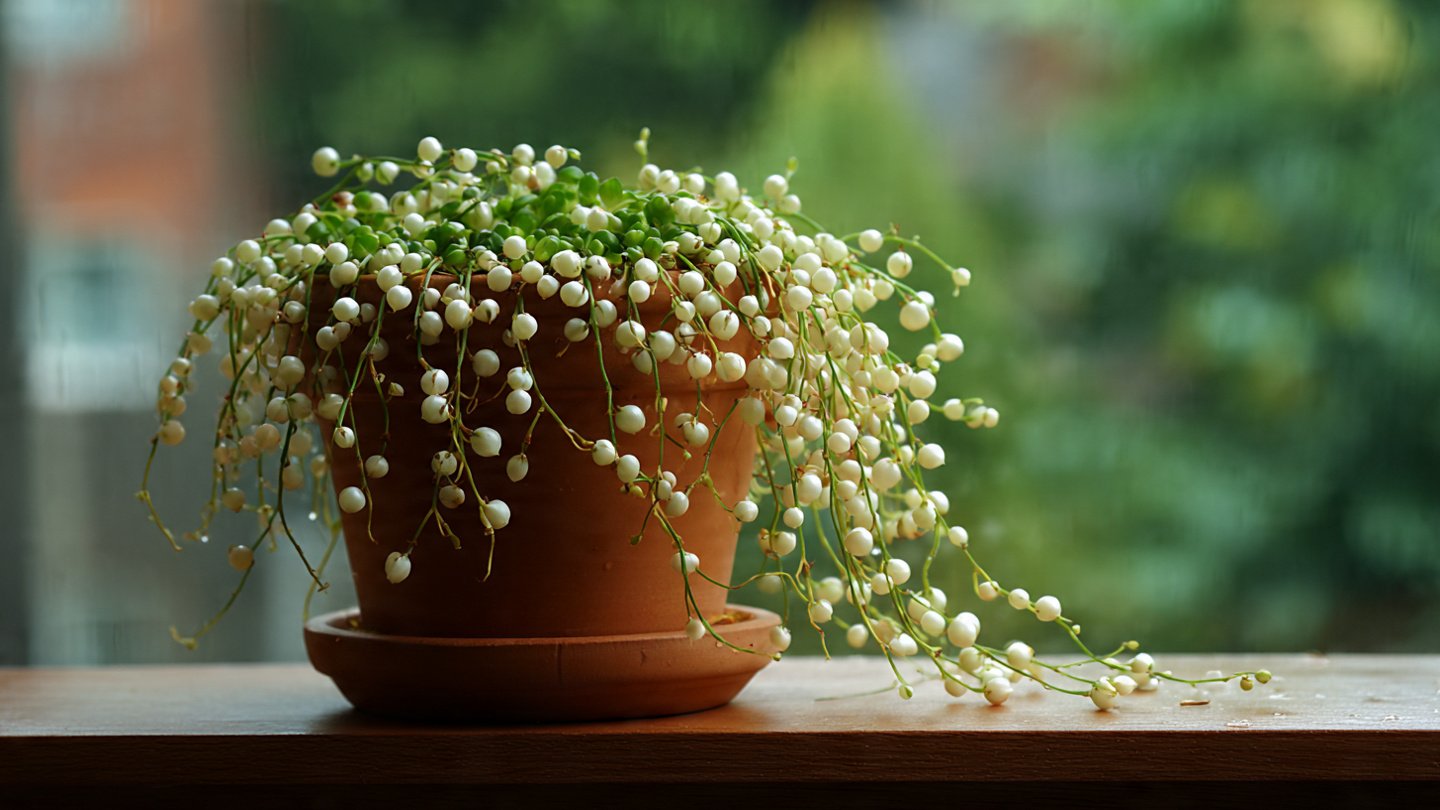

The String of Pearls (Senecio rowleyanus), with its charming, bead-like leaves, has become a popular houseplant. However, many plant owners experience the disheartening sight of their once-plump pearls shriveling and drooping. This phenomenon can be distressing, especially for novice gardeners. Understanding the causes and remedies for this condition can help restore your plant to its vibrant state.
1. Understanding String of Pearls
Before diving into the reasons for shriveling, it’s important to understand more about the plant itself. The String of Pearls is a succulent native to South Africa that thrives in arid conditions. Its unique appearance comes from its trailing, bead-like foliage, making it an attractive hanging plant. Like many succulents, it stores water in its leaves, allowing it to survive in dry environments.
2. Common Reasons for Shriveling
2.1. Under-Watering
One of the primary reasons for the shriveling of String of Pearls is under-watering. As a succulent, this plant can tolerate drought; however, it still requires regular watering. If the soil dries out completely, the leaves will start to shrink. The signs of under-watering include:
- Wrinkled or shriveled leaves
- Leaves becoming transparent
- Dry and crispy leaf edges
2.2. Over-Watering
On the flip side, over-watering can also lead to shriveling. Although succulents can survive dry spells, excessive moisture can cause root rot, leading to a lack of nutrients reaching the leaves. Signs of over-watering include:
- Yellowing leaves
- Sogginess in the soil
- Black spots on foliage
2.3. Poor Light Conditions
String of Pearls loves bright, indirect sunlight. Insufficient light can weaken the plant, causing the leaves to shrivel and drop. Symptoms of inadequate light include:
- Shriveling leaves
- Slowed growth
2.4. Humidity Levels
Although String of Pearls prefers drier conditions typical of arid environments, extreme dryness in the air can lead to shriveling. High humidity levels aren’t a problem, but when the air becomes too dry—especially in winter—your plant may show signs of distress.
2.5. Poor Soil Quality
Soil that doesn’t drain well can lead to water retention around the roots, increasing the likelihood of root rot. Alternatively, soil lacking in nutrients can prevent your plant from growing healthy leaves. The ideal soil should be well-draining, allowing excess water to escape quickly.
2.6. Pests and Diseases
Pests like mealybugs, aphids, and spider mites can also harm your String of Pearls by sucking out the sap, leading to wilting and shriveling leaves. Additionally, certain diseases, like fungal infections, can contribute to the degradation of your plant’s health.
3. Solutions for Reviving Your Plant
3.1. Adjust Watering Routine
To prevent under-watering, ensure you’re watering your String of Pearls regularly. The best practice is to check the moisture of the soil. If the top inch of soil is dry, it’s time to water. Conversely, if the soil remains soggy, reduce watering significantly.
3.2. Manage Soil Quality
Select a well-draining succulent soil mix, or enhance your current potting mix with perlite or sand. This will help ensure that your roots have enough air circulation and prevent water retention.
3.3. Optimize Light Exposure
Place your plant in a location where it can receive bright, indirect sunlight for at least six hours a day. A south- or east-facing window can work well. If natural light is insufficient, consider supplementing with grow lights.
3.4. Improve Humidity Levels
If you live in a particularly dry environment, using a humidifier or placing a tray of water near the plant can help. However, keep an eye on the conditions; high humidity can lead to mold growth.
3.5. Inspect for Pests and Diseases
Regularly inspect your plant for any signs of pests or diseases. If you find any, treat them promptly with insecticidal soap or neem oil. Always follow product instructions to ensure the safety of your plant.
4. Prevention Tips
To avoid future issues with your String of Pearls, consider these preventive measures:
- Establish a regular watering schedule based on the time of year and the plant’s needs.
- Choose appropriate soil and repot if necessary.
- Monitor light levels and adjust the location of the plant as needed.
- Perform regular checks for pests and diseases.
- Add liquid fertilizer during the growing season to provide essential nutrients.
Conclusion
While it can be alarming to see your String of Pearls shriveling up, understanding the causes behind this condition is the first step toward revival. By adjusting your watering habits, ensuring the right light conditions, improving soil quality, and keeping an eye on humidity and pests, you can restore your plant to its original glory. Always remember that the care requirements of your String of Pearls may change with the seasons, so stay attentive and proactive. Happy gardening!
FAQs
Q1: How often should I water my String of Pearls?
A: It’s best to let the top inch of soil dry out before watering again. On average, this may lead to watering every 2-3 weeks, depending on your environment.
Q2: Can I propagate my String of Pearls?
A: Yes, you can propagate String of Pearls from cuttings. Allow the ends to callous for a few days before placing them in soil.
Q3: What should I do if my String of Pearls develops root rot?
A: Remove the plant from its pot, trim away any rotted roots, and repot it in fresh, dry soil. Ensure you adjust your watering habits to prevent future occurrences.
Q4: Is String of Pearls toxic to pets?
A: Yes, String of Pearls is considered toxic if ingested. Keep it out of reach of pets and small children.