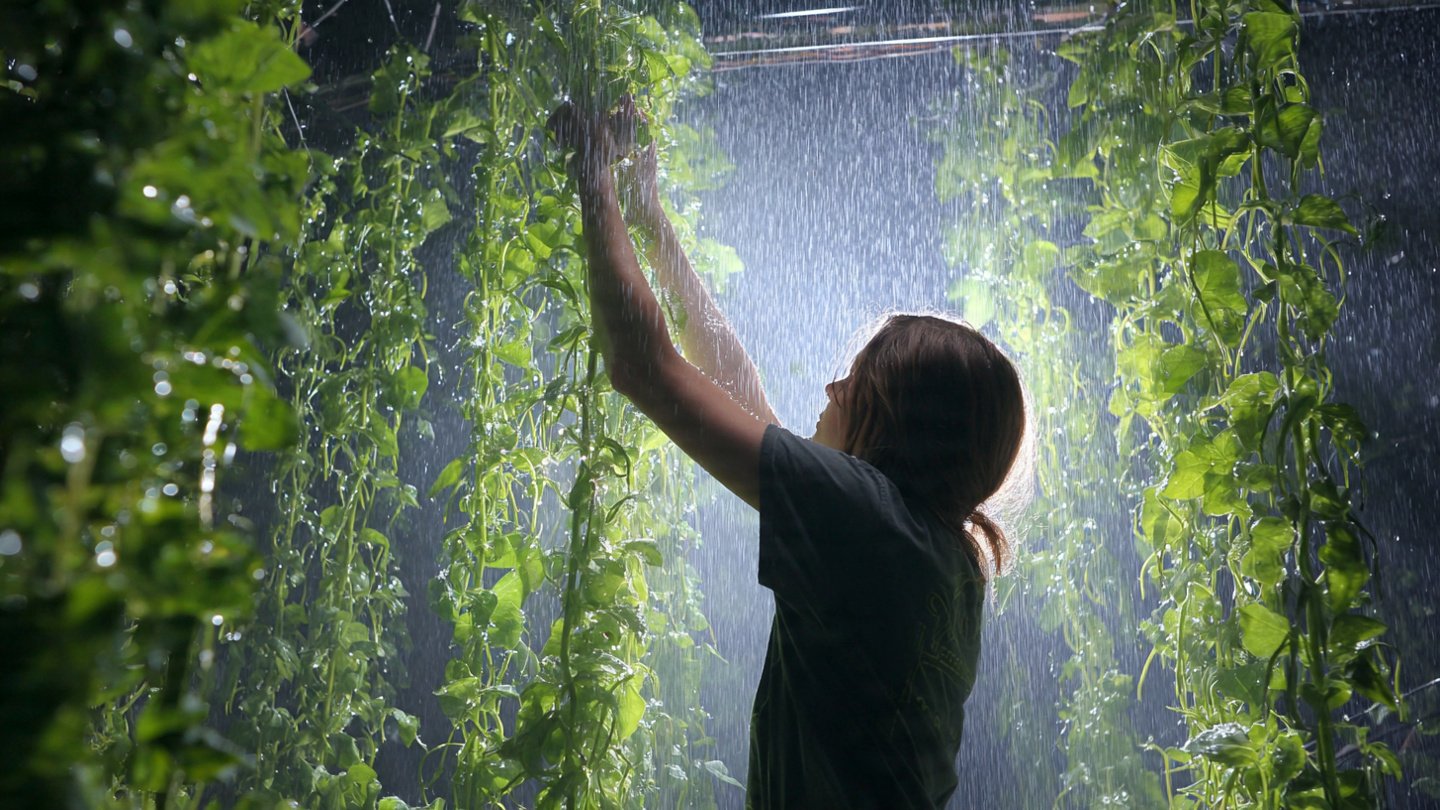

As urban living continues to rise, many of us have adapted by creating our own green spaces amidst the concrete jungle. Balcony gardens have become a sanctuary for plant lovers, offering a slice of nature to those living in apartments. While there are numerous ways to care for these plants, one of the most beneficial methods often overlooked is the use of rainwater. This eco-friendly approach can not only enhance the health of your balcony plants but also promote sustainability in an urban setting.
The Benefits of Using Rainwater
1. Nutrient-Rich Water
Rainwater is naturally soft and contains various nutrients that are beneficial for plant growth. Unlike tap water, which can be treated with chemicals such as chlorine and fluoride, rainwater is free from these harmful substances. It often collects minerals as it falls, including nitrogen, potassium, and phosphorus, which are essential for plant health. These nutrients can lead to greener leaves, more abundant flowers, and a healthier overall plant ecosystem.
2. pH Balance
The pH level of rainwater tends to be slightly acidic. Most plants thrive in slightly acidic to neutral pH ranges. Using rainwater helps maintain the ideal pH levels for most balcony plants, preventing nutrient lockout that can occur when the pH is too high due to the mineral content of tap water. This balance ensures that your plants can absorb the nutrients they need efficiently.
3. Water Temperature
Rainwater is generally at the ambient temperature, which aligns more closely with the natural environment of plants. Tap water, especially if stored in a bottle, can be significantly cooler or warmer, leading to thermal shock in plants. This stress can hamper growth and make them more susceptible to pests and diseases.
4. Reduced Chemical Exposure
By using rainwater, you’re avoiding the chemicals found in municipal water supplies. Chlorine, fluoride, and other additives can have adverse effects on plant health, interfering with nutrient absorption and leading to stress. In contrast, rainwater allows for natural growth without the worry of these contaminants.
Establishing a Rainwater Collection System
Creating a rainwater collection system for your balcony is easier than you might think. Here are some practical steps to get started:
1. Choose the Right Containers
Invest in barrels or cisterns designed for rainwater collection. Ensure they are clean and food-safe to avoid leaching harmful substances into the water. Clear plastic or opaque containers are ideal as they prevent algae growth, which can occur in sunny, transparent tanks.
2. Install a Gutter System
If possible, install a simple gutter system to direct rainwater from your balcony’s roof into your collection containers. This can involve running a downspout from the gutter to your barrels. Even a small setup can collect a significant amount of water over time.
3. Maintain Your System
Regularly check your rainwater collection system for debris, insects, or algae buildup. During dry spells, cover the containers to prevent evaporation and keep out pests. Cleaning the barrels every few months also ensures that your stored rainwater remains fresh and free from contaminants.
Practical Tips for Using Rainwater
1. Watering Schedule
Rainwater can be used to water your balcony plants just as you would with tap water. However, keep an eye on your plants’ needs. During hot days, you might need to water more frequently. Always check the moisture level in the soil before watering to avoid over-saturation.
2. Mixing with Other Water Sources
If rainwater is in short supply, you can mix it with tap water to dilute any chemicals that may be present. This approach allows you to maintain a sustainable watering routine while benefiting from the natural properties of rainwater.
3. Group Plants by Watering Needs
Organizing your balcony plants according to their watering needs can optimize rainwater usage. More thirsty plants can be placed in areas where rainwater runoff is naturally higher, while drought-resistant species can be situated in drier spots.
4. Consider Seasonal Variations
Since rainwater is seasonal, adjust your collection and watering approach accordingly. Collect as much rainwater as possible during wet months and consider using a drip irrigation system during dryer periods to ensure your plants receive consistent moisture.
Impact on Plant Health
1. Growth and Blooming
Using rainwater has been shown to improve plant growth and blooming frequency. The nutrient-rich, untreated nature of rainwater provides plants with the perfect growing conditions. You might notice your plants becoming more vibrant and producing a greater number of flowers or fruits.
2. Pest and Disease Resistance
Plants watered with rainwater tend to be more resilient against pests and diseases. The natural minerals and pH levels in rainwater strengthen plant cells, making them more difficult for pests to invade. This resilience reduces the need for chemical treatments, allowing for healthier plants and a better ecosystem.
3. Soil Health Improvement
Rainwater helps enhance the overall health of your soil. The gentle, slow watering style ensures that the soil structure remains intact, improving aeration and drainage. This encourages beneficial microorganisms to thrive, contributing to a richer soil environment that supports plant growth.
Case Studies and Testimonials
1. Urban Balcony Gardens
Many urban dwellers have turned to rainwater collection to sustain their balcony gardens. For instance, a study in Hong Kong revealed that residents using rainwater saw a marked increase in the health of their plants and vegetables compared to those relying solely on tap water. The results were particularly noticeable during the hotter months when water stress often leads to wilting.
2. Community Initiatives
In various cities, community gardening initiatives have encouraged the use of rainwater collection. Participants reported not only healthier plants but also reduced water bills and a stronger sense of community around shared environmental practices. Collectively, they created more resilient green spaces within their urban landscapes.
Environmental Impact
1. Sustainable Practices
Using rainwater for your balcony plants contributes to sustainable practices in urban environments. It reduces reliance on potable water sources, conserving these vital resources. Additionally, it helps decrease stormwater runoff, which can overwhelm urban drainage systems and lead to environmental concerns, such as flooding and water pollution.
2. Biodiversity Promotion
Allocating rainwater for plants encourages biodiversity in urban settings. Healthy plants attract various species, including pollinators like bees and butterflies, which are crucial for maintaining ecosystems. Increasing biodiversity not only enhances the attractiveness of urban areas but also supports the overall health of the planet.
Challenges and Considerations
1. Rainwater Quality
While rainwater is generally safe for plants, it’s essential to check its quality regularly. Factors such as air pollution and roof materials can affect rainwater. Always collect rainwater from clean surfaces, and consider running a simple filtering system if necessary.
2. Storage Concerns
Ensure that your rainwater storage solution is secure and pest-proof. Insects can breed in stagnant water if not properly managed, leading to issues in your garden ecosystem.
Conclusion
Incorporating rainwater into your balcony gardening practice has transformative effects on plant health. Not only does it provide essential nutrients and balance pH levels, but it also promotes sustainable living in urban environments. As cities continue to grow, the need for green spaces becomes ever more crucial. By leveraging this natural resource, you can cultivate a thriving balcony garden that benefits both you and the planet. So why not take the plunge and start your rainwater collection journey today? Your plants will thank you!