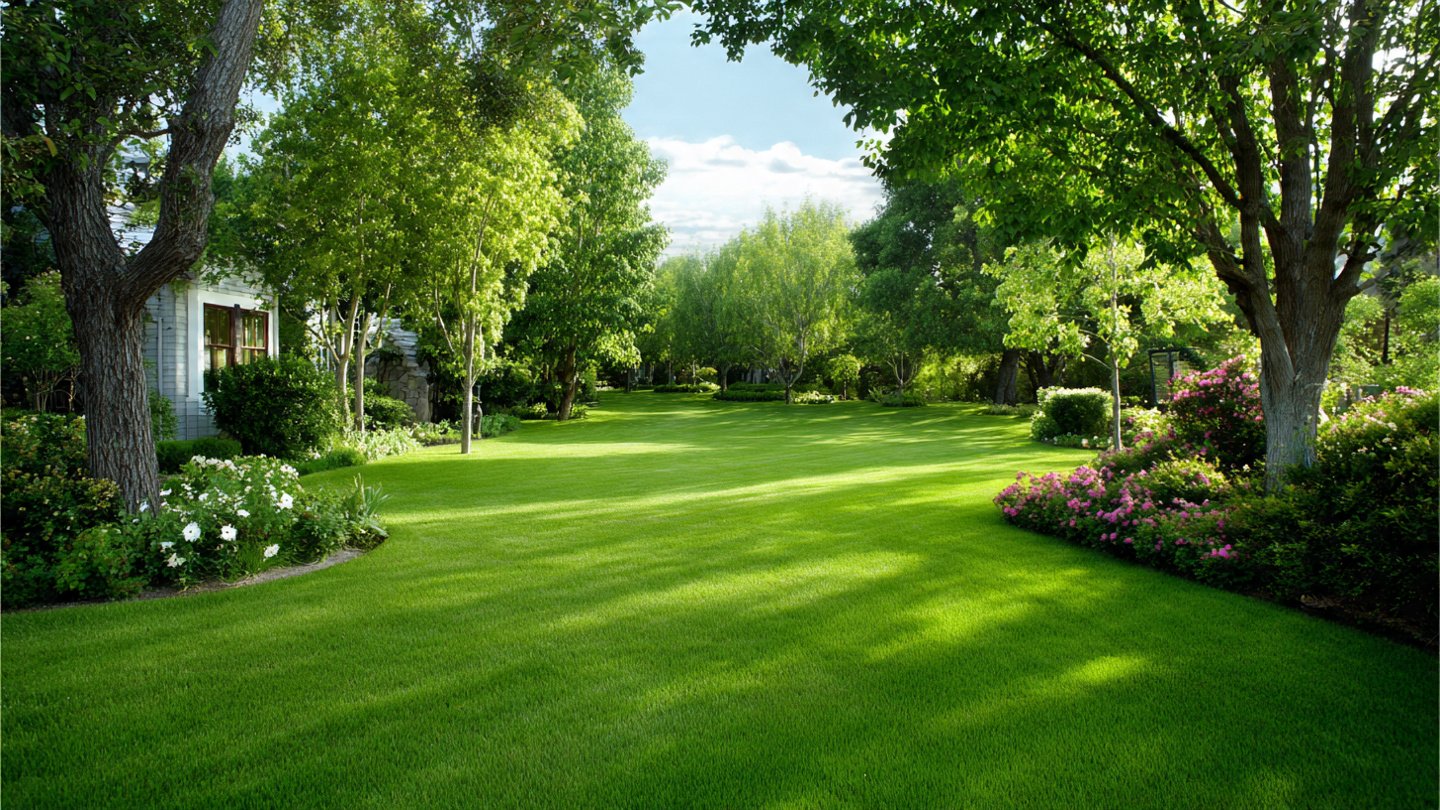

Maintaining a lush, green lawn is a dream for many homeowners. However, traditional lawn care practices often rely on chemical fertilizers and pesticides, which can harm the environment. Fortunately, there are sustainable and natural methods to achieve that perfect green lawn without compromising the earth’s health. This article explores effective strategies for growing a beautiful lawn naturally.
1. Understanding Your Soil
Soil is the foundation of any healthy lawn. A thorough understanding of your soil’s composition, pH level, and nutrient availability is crucial.
- Soil Testing: Begin by conducting a soil test to identify nutrient deficiencies or imbalances. Most garden centers offer testing kits or services.
- pH Level: For optimal grass growth, aim for a soil pH of 6.0 to 7.5. Adjust the pH using lime to raise it or sulfur to lower it.
2. Choosing the Right Grass Type
Different grass types have varying environmental needs. Understanding your local climate, sun exposure, and lawn use will guide your grass selection.
- Cool-Season Grasses: Suitable for northern climates, these grasses thrive in cooler temperatures (e.g., Kentucky Bluegrass, Tall Fescue).
- Warm-Season Grasses: Ideal for southern regions, they flourish in warmer temperatures (e.g., Bermuda, Zoysia).
3. Natural Fertilization Techniques
Fertilizers provide essential nutrients for healthy grass growth. However, natural alternatives can enhance soil health and promote sustainability.
- Composting: Create a compost pile using kitchen scraps, yard waste, and other organic materials to produce nutrient-rich soil amendments.
- Mulching: Use grass clippings and leaves as mulch. This practice returns nutrients to the soil and helps retain moisture.
- Organic Fertilizers: Consider using organic fertilizers like fish emulsion, bone meal, or seaweed extract, which release nutrients slowly and improve soil structure.
4. Watering Wisely
Watering is essential for maintaining a green lawn, but over-watering can lead to problems such as disease and shallow root systems.
- Early Morning Watering: Water your lawn in the early morning to minimize evaporation and fungal growth.
- Deep Watering: Aim for deep watering sessions (about 1 inch per week) to encourage deep root growth.
- Soil Moisture Monitoring: Use a soil moisture gauge or simply check the soil with your fingers to avoid over-watering.
5. Managing Weeds Naturally
Weeds can compete with your grass for nutrients and water. Managing them naturally will keep your lawn healthy without harmful chemicals.
- Healthy Lawn Practices: Maintaining a dense and healthy lawn through proper mowing and watering can prevent weed growth.
- Hand Pulling: Regularly hand-pulling weeds can be effective in controlling them before they set seeds.
- Natural Herbicides: Consider using vinegar or boiling water on specific weeds as a natural herbicide. Be careful not to damage your grass.
6. Mowing Techniques
Mowing is often overlooked but is crucial for a healthy lawn.
- Height Matters: Adjust your mower to keep grass blades taller (3-4 inches for most grasses), which can shade out weeds and promote deeper roots.
- Sharp Blades: Keep your mower blades sharp to ensure clean cuts, reducing stress on the grass.
- Mow Regularly: Regular mowing prevents grass from going to seed and helps maintain a healthy growing environment.
7. Encouraging Biodiversity
A diverse ecosystem is crucial for a healthy lawn. Encourage beneficial insects and organisms that naturally control pests and diseases.
- Plant Diversity: Introduce flowering plants, such as clover, in your lawn to attract pollinators and beneficial insects.
- Maintain Habitats: Consider leaving parts of your yard wild to encourage native species and beneficial organisms.
8. Seasonal Care
Different seasons require unique care techniques to ensure a robust lawn year-round.
- Spring: Aerate and dethatch your lawn, followed by overseeding and fertilization.
- Summer: Focus on watering and weed control, monitoring for any signs of drought stress.
- Fall: This is the ideal time for overseeding and applying fertilizer, as the weather is cooler, promoting growth.
- Winter: Avoid heavy foot traffic on dormant grass, and take the opportunity to plan for spring care.
Conclusion
Achieving a perfectly green lawn naturally and sustainably is a rewarding endeavor that benefits both the gardener and the environment. By understanding your soil, choosing the right grass, utilizing natural fertilizers, and adopting wise watering and mowing practices, you can cultivate a vibrant lawn without relying on harmful chemicals. Embrace diverse plant life and mindful seasonal care to support not only your lawn but the ecosystem at large. With dedication and patience, a lush lawn can be both achievable and sustainable.
FAQs
1. Can I use chemical fertilizers while trying to maintain a natural lawn?
It’s best to avoid chemical fertilizers, as they can harm beneficial microorganisms in the soil. Focus on organic options for better soil health.
2. How often should I water my lawn?
Aim for about 1 inch of water weekly, either through rainfall or irrigation. Water deeply but less frequently to encourage root growth.
3. What is the best time of day to mow my lawn?
The best time to mow is early morning when the grass is dry and the temperatures are cooler, preventing stress on the plants.
4. How can I tell if my lawn needs more nutrients?
Signs include yellowing grass, limp blades, or slow growth. Soil testing can provide a definitive answer regarding nutrient needs.
5. Is it possible to have a natural lawn in a dry climate?
Yes! Choose drought-resistant grass types, implement xeriscaping principles, and focus on deep watering to conserve moisture.