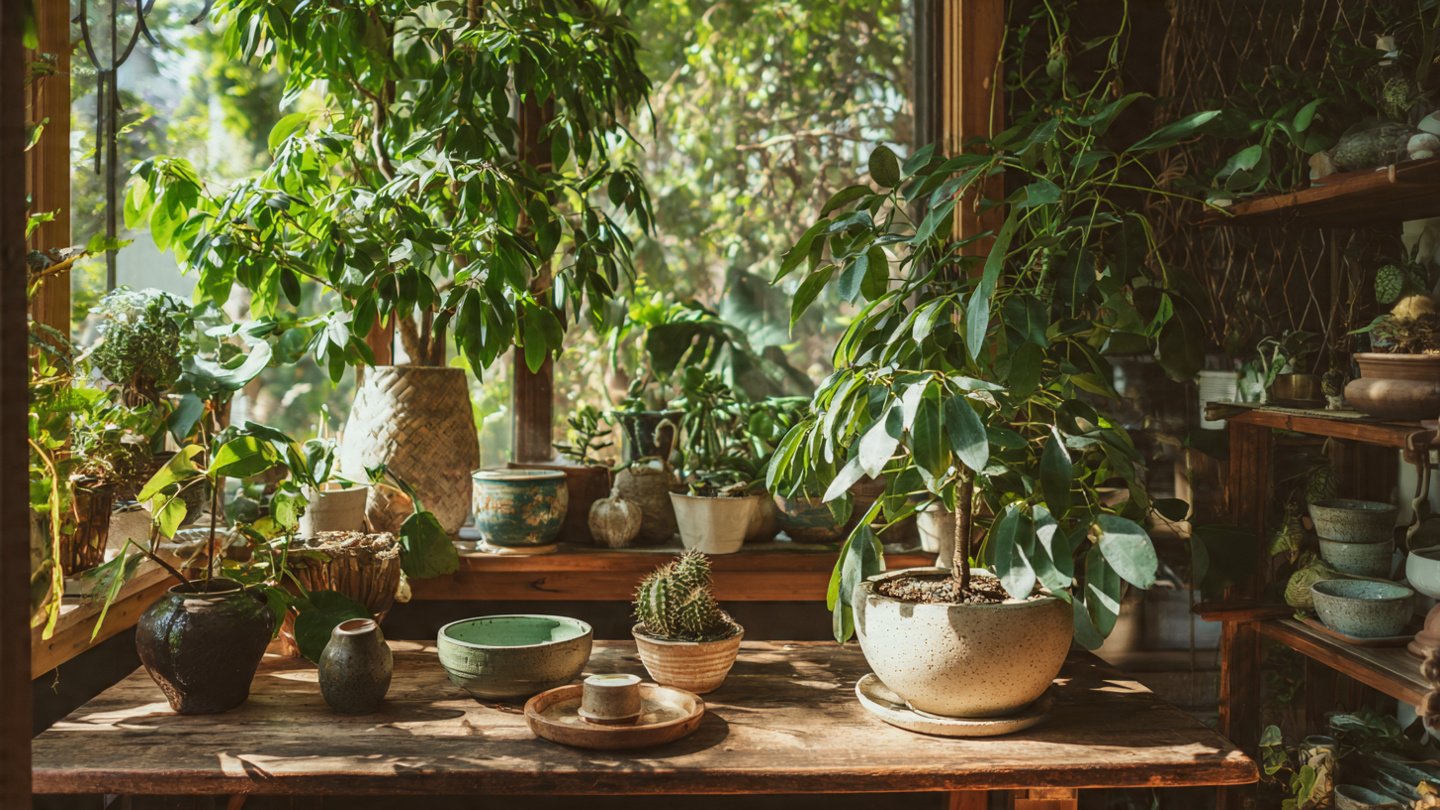

In the hustle and bustle of modern life, we often overlook the simple act of communicating, not just with fellow humans but also with nature itself. While at first glance, speaking to plants may seem eccentric, recent studies and anecdotal evidence suggest that this practice may yield several surprising benefits. From enhancing plant growth to boosting our own mental health, the act of conversing with plants could be more impactful than we think. Let’s delve into the various benefits of daily conversations with your leafy companions.
1. A Nutrient for Growth: Carbon Dioxide
Plants rely on carbon dioxide (CO2) for photosynthesis, the process by which they create their own food. By talking to your plants, you are inadvertently supplying them with carbon dioxide. This small act can positively affect their growth, responding to your voice as they absorb the CO2. While the amount you release during casual conversation is minimal, it can still contribute to a healthier plant environment.
2. Emotional Benefits: Mood Boosting
Engaging in daily conversations with your plants can have profound psychological implications. Studies have shown that talking to plants can improve emotional wellness—a concept rooted deeply in both spiritual practices and psychological theories. Here are some ways in which it can enhance your mood:
- Stress Reduction: The act of nurturing a plant and focusing your thoughts on something outside yourself can offer a momentary relief from stress.
- Increased Happiness: Recognizing your role in caring for a living thing can create a sense of purpose, leading to increased life satisfaction.
- Enhanced Creativity: Communicating with plants encourages your mind to become more open and creative as you find ways to express yourself.
3. Mental Stimulation: Cognitive Benefits
Conversations with plants can also involve cognitive engagement. When you talk to a plant, you’re forced to think about what you’re saying, how you’re saying it, and what your plants need. This process can stimulate various parts of your brain in the following ways:
- Vocabulary Expansion: Talking aloud to your plants may lead to a natural expansion of your vocabulary as you explore different ways to describe your thoughts.
- Memory Improvement: The forget-me-not interaction can help reinforce memory and recall, especially when you routinely check in with them.
- Better Focus: Plant communication encourages mindfulness, which promotes better concentration and focus.
4. Social Connection: Mitigating Loneliness
In today’s fast-paced world, feelings of loneliness can be prevalent. Daily conversations with your plants offer a unique solution. They transform your home into a living ecosystem, providing a sense of companionship. Here’s how:
- Interaction with Living Beings: Speaking to a plant can create an impression of connection and interaction, mitigating feelings of isolation.
- Developing Routine and Commitment: Caring for plants invokes a sense of responsibility, which makes them valuable partners in your daily life.
- Non-Judgmental Companionship: Plants don’t judge; they simply absorb your words and energy.
5. Health Benefits: Air Quality Improvement
One of the well-known benefits of having houseplants is their ability to improve air quality by removing toxins and providing oxygen. Regularly talking to your plants could heighten the bond you share, leading to more consistent care—thereby maximizing their potential benefits for your indoor space:
- Oxygen Production: Plants release oxygen when photosynthesis occurs, and the more healthy they are, the better they can contribute.
- Humidity Regulation: Well-cared-for plants can help to maintain humidity levels, making the air less dry and more comfortable.
- Toxin Absorption: Many plants can remove common indoor air pollutants such as formaldehyde and benzene, improving overall health.
6. Plant Responsiveness: Scientific Insights
Scientific research on plant biology suggests that plants can respond to stimuli, including sound waves and frequencies. This idea ties into the theory that vibrations from human voices might positively influence plant growth. Here are some key concepts:
- Increased Growth Rates: Some studies indicate that plants exposed to sound vibrations, including human voice frequency, show enhanced growth rates compared to those that are silent.
- Sound as a Stimulator: Speaking to your plants can be a form of auditory stimulation, leading to enhanced nutrient absorption and overall vigor.
7. Spiritual Connection: Mindfulness and Intent
Conversing with plants can feel like a spiritual act, imparting a sense of mindfulness that enriches both your life and the plant’s existence. This practice can serve as a form of meditation, promoting a deeper sense of connection with the world around you. Here are some aspects to consider:
- Mindful Communication: Deliberately engaging with plants fosters mindfulness, making you more aware of your environment.
- Intentional Care: By speaking tenderly and thoughtfully, you set an intention of nurture, influencing both your mindset and the health of the plant.
Conclusion
The surprising benefits of daily conversations with plants extend beyond mere whimsy. While the act may seem unconventional to some, it offers real advantages that can enhance emotional health, promote cognitive sharpness, and improve the well-being of both plants and people alike. Incorporating this practice into your daily routine could cultivate a more vibrant environment while enriching your own experiences. The interaction with plants creates a unique bond that not only fosters growth together but also satisfies a fundamental human need for connection, nurturing mental and emotional health. So, the next time you’re watering your plants or simply enjoying their presence, don’t hesitate to share a few words with them—it might just brighten your day.
FAQs
Q1: Do plants really respond to talking?
A1: While plants lack a nervous system and cannot “hear” in the human sense, they do respond to sound vibrations. Studies suggest that talking to them might stimulate growth.
Q2: How should I talk to my plants?
A2: Just speak as you would to a friend! You can share your day, express gratitude for their beauty, or even sing. The key is to engage with them meaningfully.
Q3: Are there specific plants that benefit from conversations more than others?
A3: Generally, all plants can benefit. However, many people find that tropical plants, like peace lilies and snake plants, respond well due to their high adaptability.
Q4: Can talking to plants really improve my mood?
A4: Yes! The act of caring for living things and nurturing a bond can boost your spirits, reduce symptoms of anxiety, and foster mindfulness.
Q5: How often should I talk to my plants?
A5: Talking to your plants daily—or even several times a day—is beneficial. They thrive on attention just like any other living being!