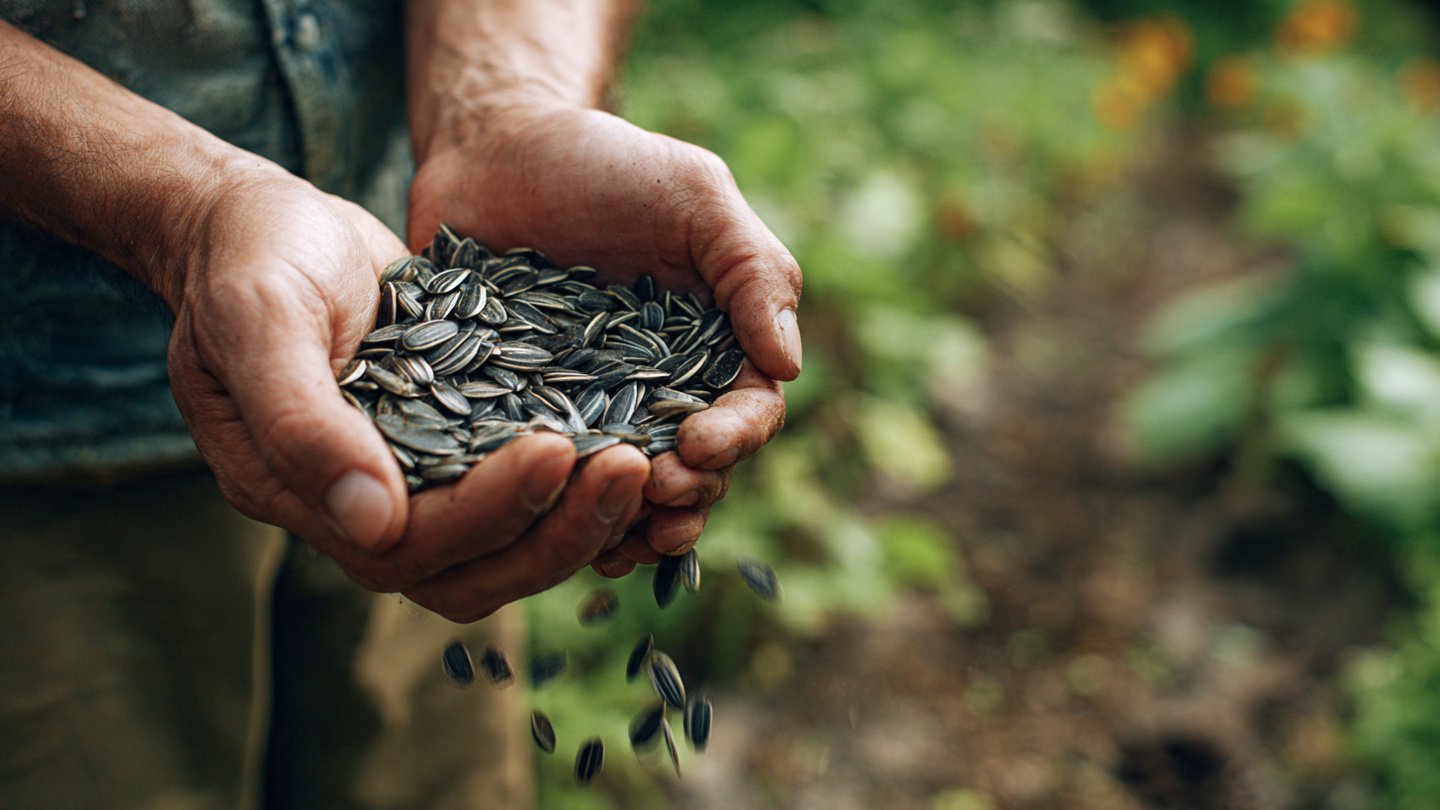

Harvesting seeds from your garden can be a rewarding task, providing you with a bountiful reserve for future planting seasons. However, it’s essential to do it efficiently to prevent loss and ensure the seeds remain viable. This article will guide you through effective techniques for harvesting, storing, and managing garden seeds.
Understanding Seed Harvesting
Seed harvesting is the process of collecting seeds from fruits, vegetables, and flowers. This activity allows gardeners to propagate their favorite plants while saving money and cultivating a diverse garden. However, it involves specific techniques to ensure seeds are collected and stored correctly.
1. Choosing the Right Time for Harvesting
Timing is crucial when harvesting seeds. The ideal time for seed collection varies based on the type of plant:
- Fruits and Vegetables: Seeds are typically ready when fruits and vegetables are fully ripe. For example, let tomatoes turn fully red and squash become hard before harvesting the seeds.
- Flowers: Wait until the flower heads are dry and begin to brown. For instance, dandelions or sunflowers should be harvested once the petals have fallen off and the seeds are hard.
2. Which Plants to Harvest Seeds From
Not all plants produce viable seeds every time. Here’s a list of plants that produce seeds effectively:
- Annuals: Plants like marigolds and zinnias.
- Veggies: Tomatoes, peppers, and beans.
- Herbs: Basil, cilantro, and dill.
3. Proper Tools for Seed Collection
To harvest seeds effectively, you’ll need some essential tools:
- Scissors or Pruners: For cutting seed pods or branches.
- Paper Bags or Envelopes: For collecting seeds during harvesting.
- Labels and Marker: To keep track of different seeds.
4. The Seed Harvesting Process
The method of harvesting can vary based on the plant type. Here are general steps to follow:
- Inspect the Plant: Look for signs of ripeness, such as color change or dry pods.
- Cut or Remove the Seeds: Use scissors or pruners to carefully cut the stems or pods.
- Gather Seeds: Place the seeds in paper bags or envelopes to prevent moisture buildup.
5. Drying Seeds Properly
Once you’ve gathered the seeds, proper drying is essential to prevent mold or decay. Here’s how to do it:
- Spread Out Seeds: Lay the seeds on a clean, dry surface, spaced out to ensure airflow.
- Store in a Dry Area: Keep them in a warm, dry location, away from direct sunlight.
- Test for Dryness: Seeds should feel dry and hard before storage.
6. Storing Seeds for Future Use
After drying, store seeds to ensure their longevity:
- Cool, Dark Place: Store seeds in a cool, dark area to minimize degradation.
- Airtight Containers: Use jars, envelopes, or vacuum-sealed bags to reduce moisture exposure.
- Label Everything: Clearly label your containers with the plant type and date of harvest for easy identification.
7. Best Practices to Avoid Losing Seeds
To effectively prevent seed loss during harvesting and storage, consider the following:
- Be Gentle: Handle seeds with care to avoid crushing or damaging them.
- Use Fine Mesh Screens: When processing seeds, use fine mesh screens to catch smaller seeds and debris.
- Monitor Humidity: Keep an eye on humidity levels in your storage area to prevent seeds from absorbing moisture.
8. Record Keeping
Maintaining a garden journal with details on the seeds harvested, their varieties, and germination rates can help plan future planting seasons. Documenting successes and failures will refine your seed-saving techniques.
Conclusion
Harvesting seeds from your garden is a fulfilling practice that rewards gardeners with continued beauty and bountiful crops. By timing your harvest well, employing the correct techniques, and ensuring proper storage, you can effectively collect and save seeds without losing them. Start small, and gradually build your seed bank, allowing you to enjoy your favorite plants year after year, while promoting sustainability in your gardening practices.
FAQs
1. How long can I store seeds?
Most seeds can be stored for 1 to 5 years if kept in a cool, dark, and dry place. Specific seeds may have different storage lifespans, so it’s important to research each variety.
2. What is the best way to test seed viability?
You can conduct a simple germination test by placing a few seeds on a damp paper towel and keeping it warm. Check for sprouting after a week or two. If fewer than 50% germinate, it’s best to acquire fresh seeds.
3. Can seeds be stored in the refrigerator?
Yes, storing seeds in a refrigerator can prolong their viability, provided they are kept in airtight containers to prevent moisture absorption.
4. Are there any plants I should avoid saving seeds from?
Hybrid plants may not produce seeds that are true to the parent plant. It’s best to avoid saving seeds from hybrids and instead focus on heirloom or open-pollinated varieties.
5. What do I do if my seeds get wet?
If seeds become wet, spread them out to dry immediately. If they do not dry quickly enough or you notice anytime mold developing, it’s best to discard them to avoid contamination.