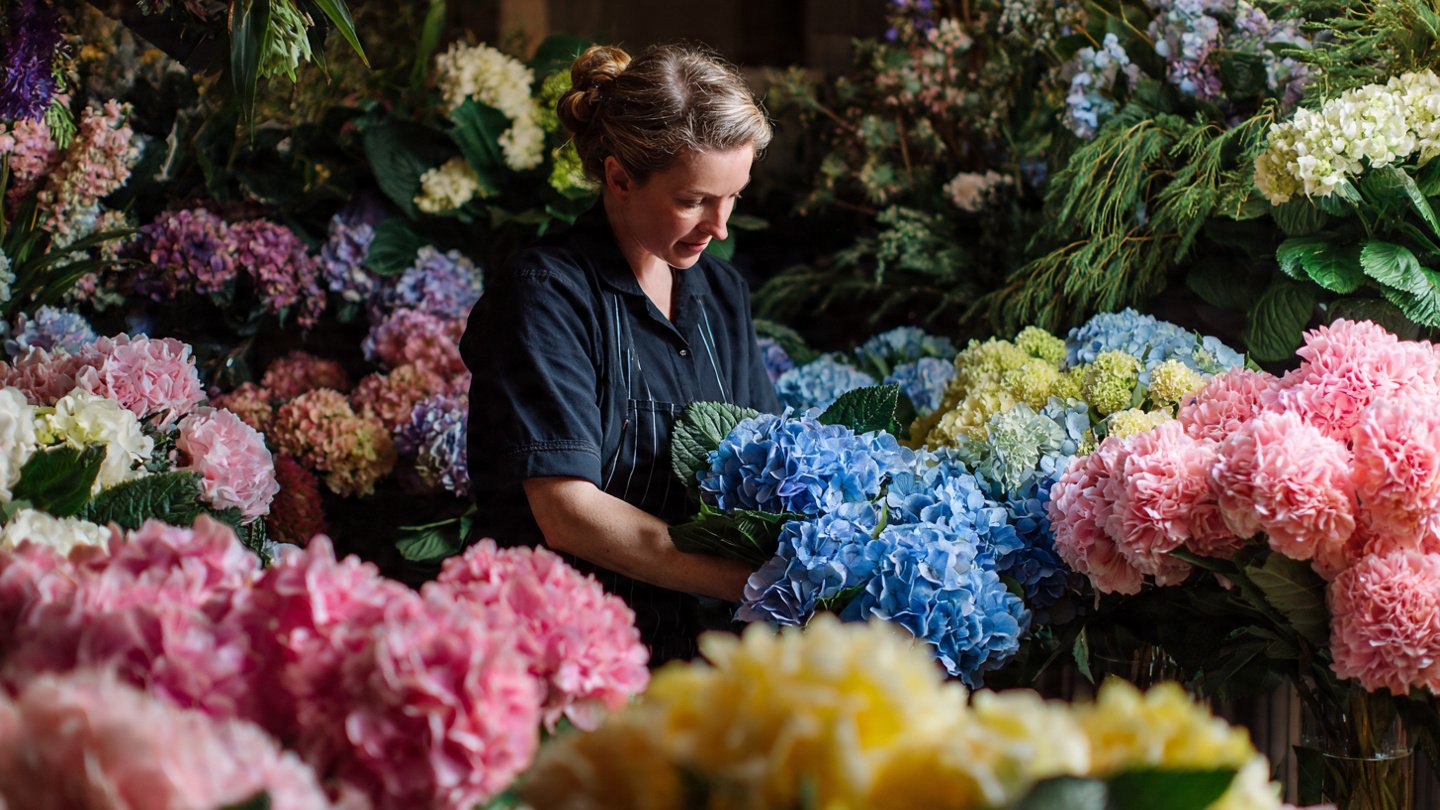

Understanding Your Plants
The foundation for growing massive blooms starts with understanding the specific plants you’re working with. Different flowers have varying sunlight, water, and nutrient requirements. Research the needs of your chosen flowers—whether they are annuals like petunias or perennials like peonies. Selecting the right flowers for your garden can save you both time and money.
Soil Preparation
Soil quality is one of the most crucial aspects of healthy blooms. A budget-friendly approach to improving your soil includes:
- Composting: Create a compost pile with kitchen scraps and yard waste. Compost enriches the soil, promoting plant health.
- Soil Testing: Many local extension services offer soil testing for a nominal fee. Knowing your soil’s pH and nutrient levels helps you amend it appropriately.
- Mulching: Use organic mulches to retain moisture and suppress weeds, which can detract from your blooms’ growth.
Watering Wisely
Watering is another essential factor in growing massive blooms. Here are some tips to save money on your water bill while ensuring your plants thrive:
- Drip Irrigation: Setting up a drip irrigation system is an upfront expense but saves money long-term by efficiently delivering water right to the roots.
- Rain Barrels: Collect rainwater for free irrigation. This can significantly reduce your water costs and benefit your garden.
- Watering Schedule: Water early in the morning or late in the evening to minimize evaporation and ensure maximum absorption.
Fertilizing Creative Ways
Fertilizing doesn’t have to be expensive. You can enhance bloom size by employing cost-effective strategies:
- DIY Fertilizers: Use household items like banana peels and coffee grounds to add nutrients directly into the soil.
- Slow-Release Options: Opt for slow-release fertilizers instead of frequent applications. These tend to be more affordable and effective for sustaining plant health.
- Organic Matter: Incorporate organic matter such as peat moss or well-rotted manure into your soil to boost nutrient content.
Pest Management
Pests can stymie your blooming efforts and could lead to additional costs. Here are some budget-conscious ways to manage them:
- Natural Predators: Attract beneficial insects like ladybugs and lacewings by planting specific flowers. These natural predators can keep pest populations in check.
- Homemade Sprays: Create your own pest deterrents using household ingredients such as soap, water, and essential oils.
- Companion Planting: Grow plants that repel pests alongside your blooming flowers. Marigolds, for example, can ward off nematodes and other pests.
Timing is Everything
Understanding the right time to plant your flowers is critical for maximizing bloom size. Here are some time management tips:
- Seasonal Planting: Many flowers have specific growing seasons. Planting them during these optimal times increases the chance for larger blooms.
- Starting Indoors: Begin seeds indoors to get a head start on the blooming season. Use recycled containers like egg cartons to save money.
- Late Bloom Timing: Some flowers will bloom later in the season. By staggering your planting times, you can ensure blooms for longer stretches throughout the year.
Utilizing Space Wisely
Your garden’s layout can influence bloom growth. Here are some space management tips:
- Vertical Gardening: Use trellises and vertical planters to save space and maximize sunlight exposure.
- Group Planting: Plant in clusters rather than rows. This not only looks attractive but helps create a microclimate beneficial for blooms.
- Interplanting: Grow flowers alongside vegetables and herbs to maximize space efficiency and protect against pests.
Harvest and Deadheading
Once your flowers bloom, promoting ongoing health is essential. Here are some cost-effective practices:
- Deadheading: Regularly remove spent blooms to encourage new growth. This simple practice can lead to bigger, more prolific flowers.
- Harvesting Seeds: Save seeds from your favorite flowers for the next growing season. This is a sustainable practice that reduces costs significantly.
- Thinning Schedules: Reduce overcrowding by thinning out some plants. This promotes better air circulation and more significant blooms for the remaining plants.
Conclusion
Growing massive blooms on a budget is entirely achievable with the right strategies and practices. By focusing on proper plant selection, improving soil health, watering wisely, and being strategic about pest management, you can enjoy a vibrant garden filled with beautiful flowers without breaking the bank. Each step you take leads you closer to cultivating a luscious garden that bursts with color and vitality, enhancing not only your outdoor space but also your enjoyment of gardening itself. Remember, patience and consistency are key; with time, dedication, and the tips above, your blooms will flourish magnificently.
FAQs
- What are the best flowers for budget gardening?
- Some cost-effective options include marigolds, zinnias, sunflowers, and cosmos, which are easy to grow and require minimal investment.
- How often should I water my flowering plants?
- Generally, watering should be done once a week, but this depends on the specific plant’s needs, soil conditions, and weather. Always check the soil moisture before watering.
- Is it necessary to use commercial fertilizers?
- No, many gardeners find success with homemade fertilizers or organic options that are often less expensive and environmentally friendly.
- Can I grow flowers indoors on a budget?
- Absolutely! Using recycled containers and inexpensive grow lights can allow you to cultivate beautiful blooms indoors without significant expense.
- What is the best way to attract pollinators to my garden?
- Planting a diversity of flowers, especially native species, and avoiding pesticides can help attract bees, butterflies, and other beneficial insects.