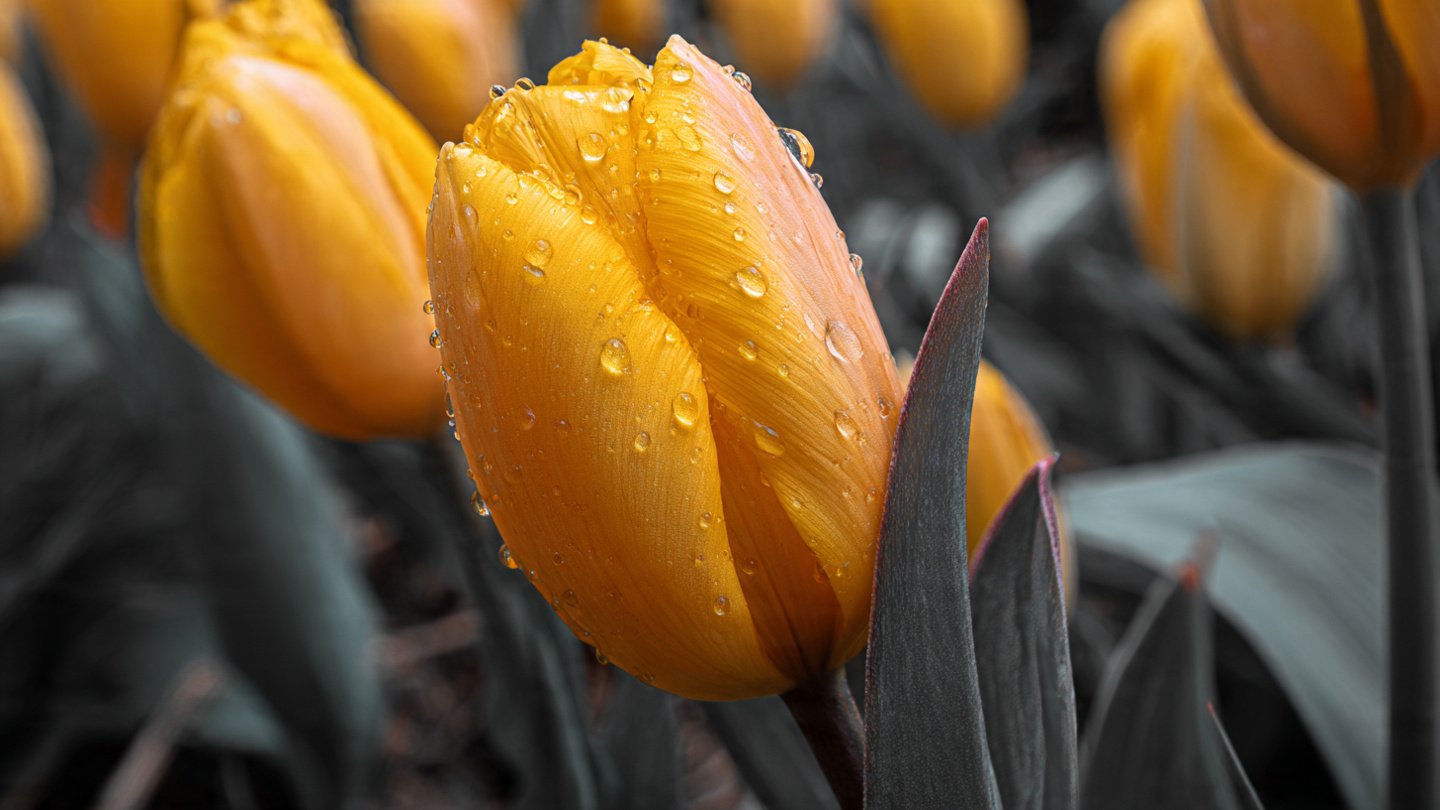

Tulips are one of the world’s most cherished flowers, known for their vibrant colors and blooming beauty in spring. However, many gardeners face a common issue: the leaves of their tulip plants turning yellow too early. This not only raises concerns about the health of the plant but can also dampen the enthusiasm of even the most dedicated gardening enthusiasts. Understanding the causes of yellowing leaves and how to prevent it can help you maintain healthy, stunning tulips that thrive in your garden.
Understanding Tulip Leaves
The leaves of tulips play a crucial role in the plant’s overall health. They are responsible for photosynthesis, the process by which plants convert light energy into chemical energy, producing the nutrients necessary for growth. Healthy, green leaves indicate that your tulip plants are thriving. Conversely, yellowing leaves can signal various problems, ranging from environmental stress to disease.
Common Causes for Yellow Leaves
1. Nutrient Deficiencies
One of the primary reasons for yellowing leaves in tulips is nutrient deficiencies. Tulips require certain nutrients like nitrogen, phosphorus, and potassium to grow. A lack of these essential nutrients can lead to poor foliage health. Yellow leaves, especially those older at the base, often indicate a nitrogen deficiency. To prevent this issue, consider regular soil testing and amend the soil with balanced fertilizers containing these nutrients.
2. Overwatering
Another significant factor that can contribute to yellowing leaves is overwatering. Tulips are susceptible to root rot, a condition that can arise when the soil is consistently moist. When tulips are overwatered, their roots become suffocated, limiting their ability to absorb nutrients. To prevent this, ensure that your tulips are grown in well-draining soil and adjust your watering schedule based on rainfall and temperature conditions.
3. Underwatering
Conversely, underwatering can also cause yellowing leaves. If tulips do not receive enough water, they become stressed, leading to yellowing and ultimately wilting. Make sure you are watering your tulips adequately, especially during dry spells. Aim for deep watering that encourages strong root growth without sogginess.
4. Pests and Diseases
Pests such as aphids and diseases like tulip breaking virus can directly impact leaf health. Infestations can lead to nutrient shortages by damaging the leaves, causing them to turn yellow. Regularly inspect your tulips for any signs of pests or disease and treat promptly with organic or chemical insecticides as necessary.
5. Temperature Stress
Tulips thrive in cool weather. Extreme temperatures, either too hot or too cold, can stress the plants, leading to yellowing leaves. Young tulips, particularly, are vulnerable to fluctuating temperatures. It’s vital to plant tulips at the right time and provide some shade during exceptionally hot days to keep them healthy.
Best Practices for Healthy Tulip Leaves
1. Soil Preparation
Good soil preparation is vital to ensuring that your tulips have the best chance of thriving. Before planting, mix organic matter into the soil to improve drainage and provide essential nutrients. Testing your soil pH can also help tailor your fertilizers appropriately.
2. Water Management
Consistent watering plays a crucial role in preventing yellowing leaves. Monitor your soil moisture and only water when necessary—when the top inch of soil feels dry. Watering early in the morning can also help reduce evaporation loss.
3. Fertilization
Applying a balanced fertilizer during the growing season can replenish nutrient levels, supporting healthy foliage and vibrant blooms. Look for fertilizers specifically formulated for flowering plants, and follow package instructions for optimal results.
4. Pest Control
Regular monitoring and preventive measures can help keep pests and diseases at bay. Consider using companion planting or introducing beneficial insects such as ladybugs, which can help control aphid populations naturally.
5. Temperature Regulation
Using mulch can help keep the soil temperature stable and retain moisture. During particularly hot spells, providing shade can also protect your tulips from heat stress.
Conclusion
Yellowing tulip leaves can be concerning, but many preventive measures can be taken to ensure that your plants are healthy and vibrant. By understanding the common causes of leaf yellowing—such as nutrient deficiencies, watering issues, pests, diseases, and temperature stress—you can act quickly to address problems and enhance the vitality of your tulip plants. Remember, regular monitoring and care can go a long way in keeping your garden lush and colorful.
FAQs
1. What should I do if my tulip leaves are turning yellow?
First, identify the cause—check for watering issues, pest infestations, and nutrient deficiencies. Address the specific problem accordingly, such as adjusting your watering schedule or applying fertilizer.
2. Is it normal for tulip leaves to turn yellow after blooming?
Yes, it is normal for tulip leaves to start yellowing after the blooming period as the plant prepares to go dormant. However, early yellowing may indicate stress, so monitor their health closely.
3. How often should I water my tulips?
Water your tulips when the top inch of soil feels dry. This generally means watering about once a week, but adjust based on rainfall and temperature conditions.
4. Can I use houseplant fertilizer for my tulips?
While houseplant fertilizers may work, using a fertilizer specifically designed for flowering plants is best for optimal results.
5. How can I tell if my tulips are getting enough nutrients?
Healthy tulip leaves should be a vibrant green. Yellowing leaves may indicate a nutrient deficiency, particularly nitrogen. Conducting soil tests can help determine nutrient levels.