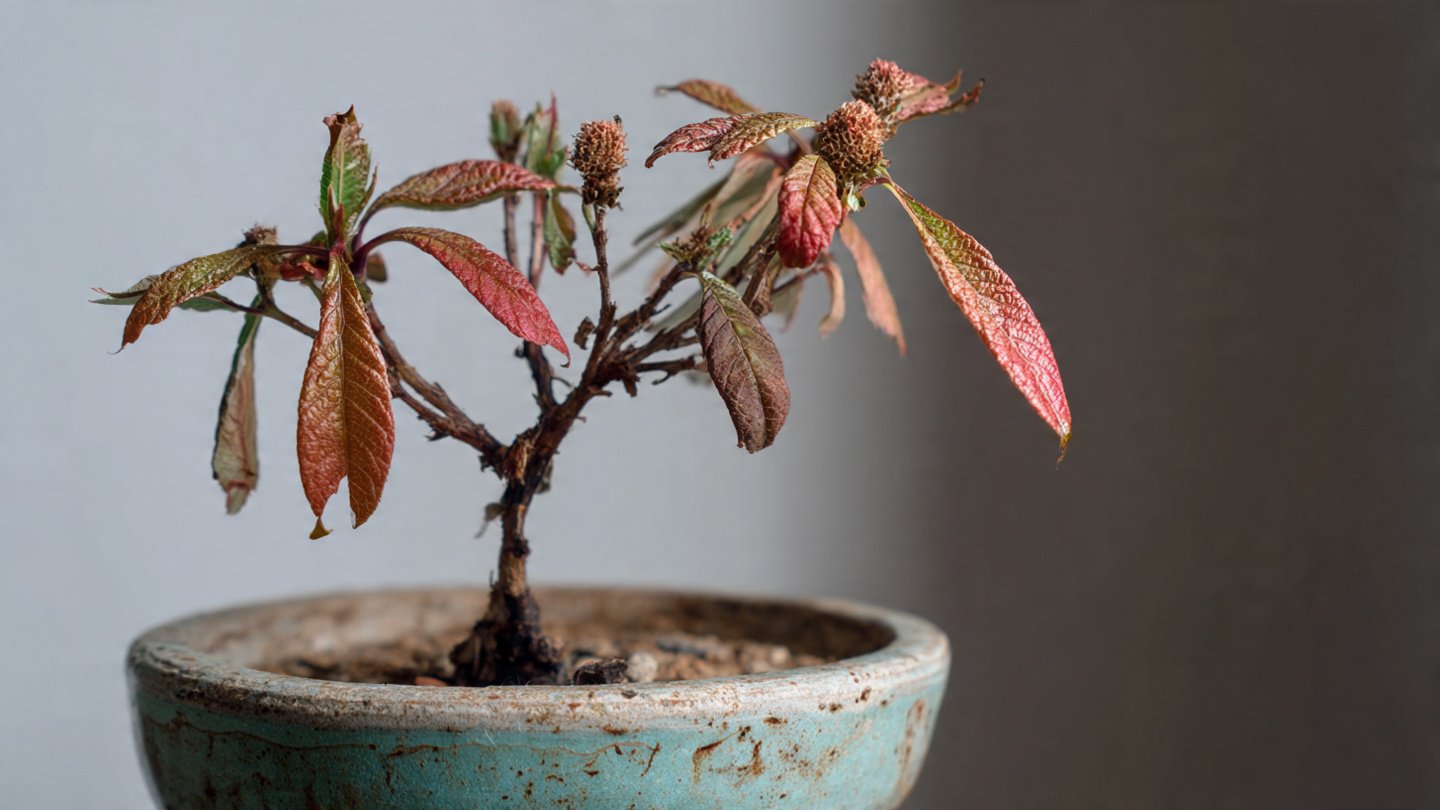

Growing plants from cuttings can be a rewarding and cost-effective way to propagate your favorite species. However, it can be frustrating when your cuttings fail to bloom. Understanding the reasons behind this issue can help you improve your techniques and ensure better results in the future. In this article, we will explore several surprising reasons that may hinder cuttings from thriving and blooming as expected.
1. Improper Timing for Cutting
Timing plays a crucial role in the success of plant cuttings. The ideal time to take cuttings depends on the plant species. Most woody plants thrive when cuttings are taken in late spring or early summer, while herbaceous plants may do better in late summer or autumn. Taking cuttings at the wrong time can lead to decreased vigor and productivity, reducing the chance of blooming.
2. Inadequate Preparation of Cuttings
Preparation is key when it comes to cuttings. If the cuttings are not taken correctly, they may struggle to take root and develop into healthy plants. Here are some preparation tips:
- Use clean, sharp pruning shears to take cuttings.
- Make a diagonal cut at a node to optimize rooting potential.
- Remove any excess leaves to reduce moisture loss while the cutting establishes itself.
3. Lack of Rooting Hormone
Rooting hormones can significantly enhance the rooting process for cuttings. These hormones stimulate root growth and help cuttings establish themselves. If you skip this step, especially with difficult-to-root species, your cuttings may fail to develop adequately, ultimately resulting in poor growth and a lack of blooms.
4. Poor Soil Conditions
Soil quality impacts plant health and blooming potential. Using compacted or nutrient-depleted soil can hinder root development. Make sure to use a well-draining potting mix that retains moisture without becoming waterlogged. Adding components like perlite or vermiculite can improve aeration and drainage, promoting better root growth.
5. Incorrect Watering Practices
Watering is a balancing act. Overwatering can suffocate roots and lead to rot, while underwatering can cause stress that impedes blooming. The ideal watering method varies depending on the environment and plant species. Monitor soil moisture and adjust your watering schedule accordingly.
A common strategy is to wait until the soil surface feels dry before watering again, ensuring the cuttings receive consistent moisture without becoming waterlogged.
6. Light Conditions
Insufficient or inappropriate light can be detrimental to cuttings. While cuttings need light for photosynthesis, too much direct sunlight can cause leaf scorching and hamper growth. Ideally, place cuttings in bright, indirect light. Using grow lights or a shaded spot in a bright room can provide optimal conditions until they establish roots.
7. Temperature Fluctuations
Temperature consistency is vital for cuttings to thrive. Extreme temperature fluctuations can stress young plants, leading to shaky growth and even death. Most cuttings prefer temperatures between 65°F to 75°F (18°C to 24°C). Ensure the environment remains stable to promote healthy root development and subsequent blooming.
8. Pest Infestation
Pests can wreak havoc on young cuttings, stealing nutrients and introducing diseases that hinder growth. Common pests to watch for include spider mites, aphids, and mealybugs. Regularly inspect your cuttings for signs of pest activity and take action promptly if you spot any issues. Using insecticidal soap or neem oil can help keep pests at bay without harming your cuttings.
9. Lack of Fertilization
Once cuttings have established roots, they need nutrients to grow and bloom. However, it’s essential to avoid over-fertilizing, especially during the initial growth stages, as this can burn young roots. Initially, using a diluted balanced fertilizer after roots have started to develop can provide the necessary nutrients to kickstart blooming.
10. Genetic Factors
Sometimes the reason for a cutting’s failure to bloom lies beyond your control—genetics. Some plants simply take longer to develop than others, while certain cultivars may not bloom at all under specific conditions. Researching the particular variety you are propagating can provide insights about its unique blooming characteristics and timelines.
Conclusion
While growing cuttings can be a fulfilling endeavor, many factors can lead to disappointment when they don’t bloom. From the timing and method of taking cuttings to environmental factors like soil conditions, light exposure, and consistent temperature, proper care is critical for ensuring a successful bloom. By understanding these surprising reasons behind blooming failures, you can adjust your approach and significantly increase your chances of a thriving garden filled with beautiful blooms.
FAQs
1. How long does it take for cuttings to bloom?
The blooming time can vary widely depending on the plant species. Some cuttings can bloom in a few weeks, while others may take several months. Factors such as rooting success, environmental conditions, and species type all influence this timeline.
2. Can I use any soil for cuttings?
No, not all soil is suitable for cuttings. It’s best to use a well-draining potting mix that is light and airy to encourage healthy root growth without the risk of waterlogging.
3. Is it necessary to use rooting hormone?
While not strictly necessary, using rooting hormone can significantly enhance the chances of rooting, especially for difficult species. It helps to stimulate root growth and improve the success rate of cuttings.
4. What should I do if my cuttings are not growing?
If your cuttings are not growing, examine environmental factors such as light, temperature, and soil moisture. Adjust your care routine accordingly. Additionally, inspect for pest infestations or diseases that may be affecting their growth.
5. Can I propagate any plant through cuttings?
Many plants can be propagated through cuttings; however, not all species are equally easy to propagate. Researching the specific plant you wish to propagate will provide you with insights into its suitability for this method.