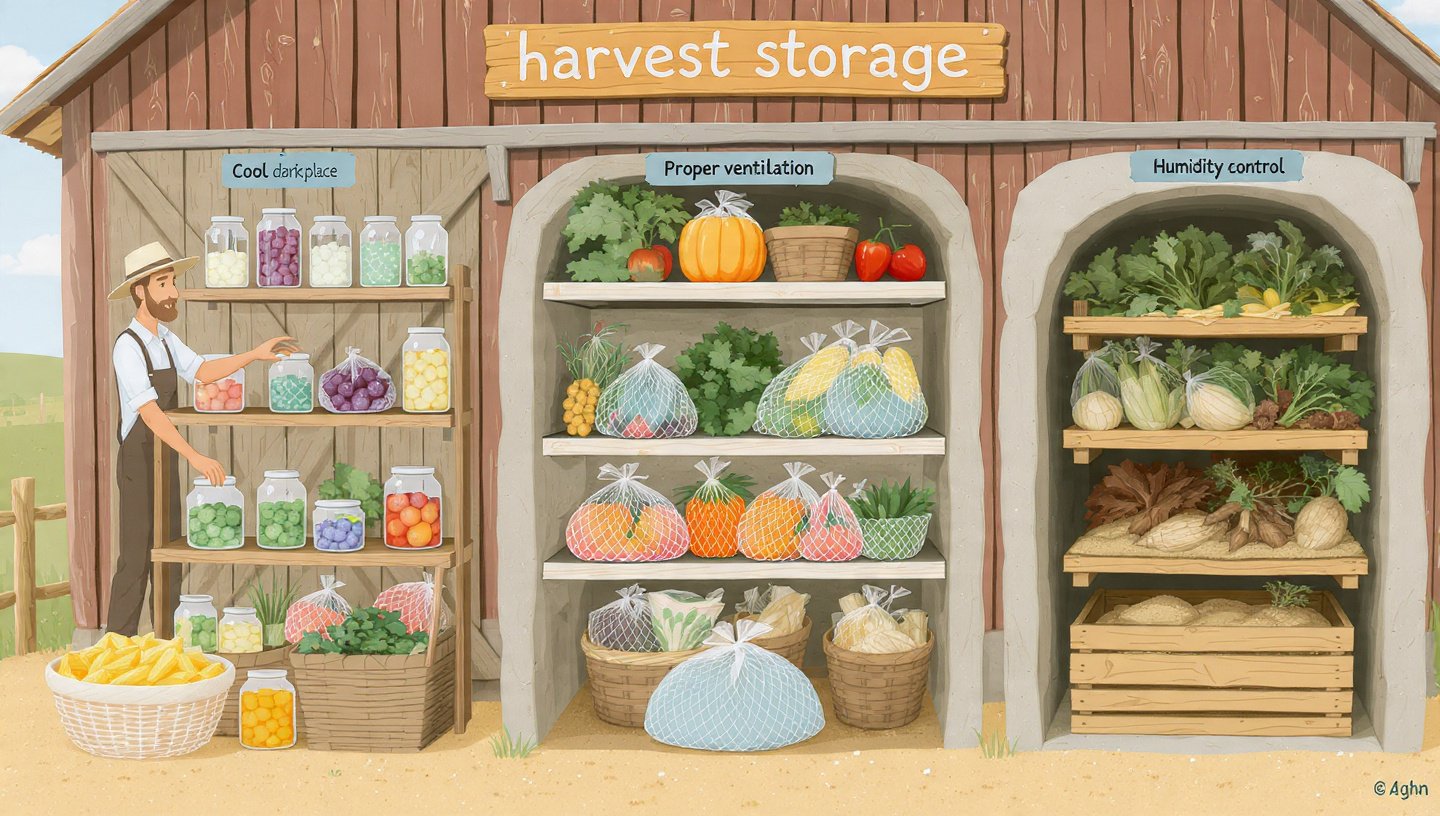

Harvesting fresh fruits and vegetables is often the reward for hard work in the garden or farm. However, ensuring that produce remains fresh and retains its flavor for an extended period can be challenging. This article dives into various storage methods that can help keep your harvest fresh for months, maximizing flavor and nutritional value.
The Importance of Proper Storage
Proper storage is crucial for several reasons, including:
- Preventing Spoilage: Fresh produce has a limited shelf life. Using the right storage methods can significantly extend this period.
- Maintaining Flavor and Texture: Improper storage can alter the taste and texture of fruits and vegetables, making them less enjoyable to consume.
- Reducing Waste: By storing your harvest correctly, you can minimize spoilage and waste, contributing to more sustainable living.
Best Storage Methods for Fresh Produce
1. Refrigeration
Refrigeration is one of the most common methods for preserving the freshness of fruits and vegetables. However, different varieties have different needs:
- Leafy Greens: Store in a damp paper towel or a perforated plastic bag to keep them crisp.
- Berries: Refrigerate in a container without washing until ready to eat to prevent mold.
- Root Vegetables: Keep them in a cool, dark place or in the crisper drawer to maintain freshness.
2. Drying
Drying is an excellent method for long-term storage without the need for refrigeration. This method removes moisture, thereby inhibiting the growth of bacteria and mold. Options for drying include:
- Air Drying: Suitable for herbs and certain fruits. Hang in a well-ventilated, dry area.
- Dehydrator: Use a food dehydrator for a more controlled drying process.
- Oven Drying: Set your oven to the lowest temperature and leave the door slightly ajar to allow moisture to escape.
3. Canning
Canning is another effective method for long-term storage. This process involves heating jars of food to kill bacteria and sealing them to prevent recontamination. Consider the following steps:
- Choose Fresh Produce: Only use high-quality, fresh fruits and vegetables.
- Use Appropriate Sterilization: Sterilize jars and lids properly to ensure safety.
- Follow Safe Canning Practices: Always adhere to guidelines provided by trusted sources, such as the USDA.
4. Freezing
Freezing is a great option for maintaining the quality of fruits and vegetables for months. Here’s how to do it effectively:
- Blanching: Blanch vegetables briefly in boiling water to stop enzyme actions before freezing.
- Packaging: Use airtight bags or containers to prevent freezer burn.
- Labeling: Always label your frozen items with the date to keep track of freshness.
5. Fermentation
Fermentation not only preserves food but can also enhance its nutritional value. This method creates an acidic environment, effective for various types of produce:
- Cabbage: Sauerkraut is a popular fermented product that can last months.
- Cucumbers: Pickling them in a brine of water and vinegar helps in preservation.
- Other Vegetables: Many root vegetables can also be pickled to extend their lifespan.
6. Root Cellaring
Root cellaring is an ancient method that uses the natural insulation of the earth to store produce. This technique works best for:
- Potatoes: When stored in a cool, dark place, they can last for months.
- Carrots: Store them in a bin of sand to keep them moist.
- Apples: They can last for several months in cold storage conditions.
Conclusion
Storing your harvest effectively not only enhances its longevity but also preserves its quality, taste, and nutritional benefits. Whether you choose refrigeration, drying, canning, freezing, fermentation, or root cellaring, each method has its advantages tailored to different types of produce. By selecting the right storage methods and employing them correctly, you can enjoy the fruits of your labor well beyond the growing season.
Frequently Asked Questions (FAQs)
1. How can I tell if my vegetables are still good to eat?
Check for any signs of spoilage, such as mushiness, discoloration, or an off smell. If the vegetables feel firm and smell fresh, they’re likely still good to eat.
2. Can I store all fruits and vegetables together in the fridge?
No, some fruits (like apples and bananas) produce ethylene gas, which can spoil vegetables faster. Keep them separate to enhance their longevity.
3. How long can I expect my canned goods to last?
When properly canned and stored in a cool, dark place, most canned goods can last 1-2 years, but it’s always best to follow specific guidelines for different foods.
4. Is it necessary to blanch vegetables before freezing?
Blanching is recommended as it helps in maintaining color, texture, and flavor, and it stops the enzyme action that can cause spoilage.
5. How do I store herbs to keep them fresh the longest?
Store fresh herbs in a jar of water, like a bouquet, and cover them with a plastic bag for refrigeration. Alternatively, they can be dried or frozen in ice cube trays with water or oil.