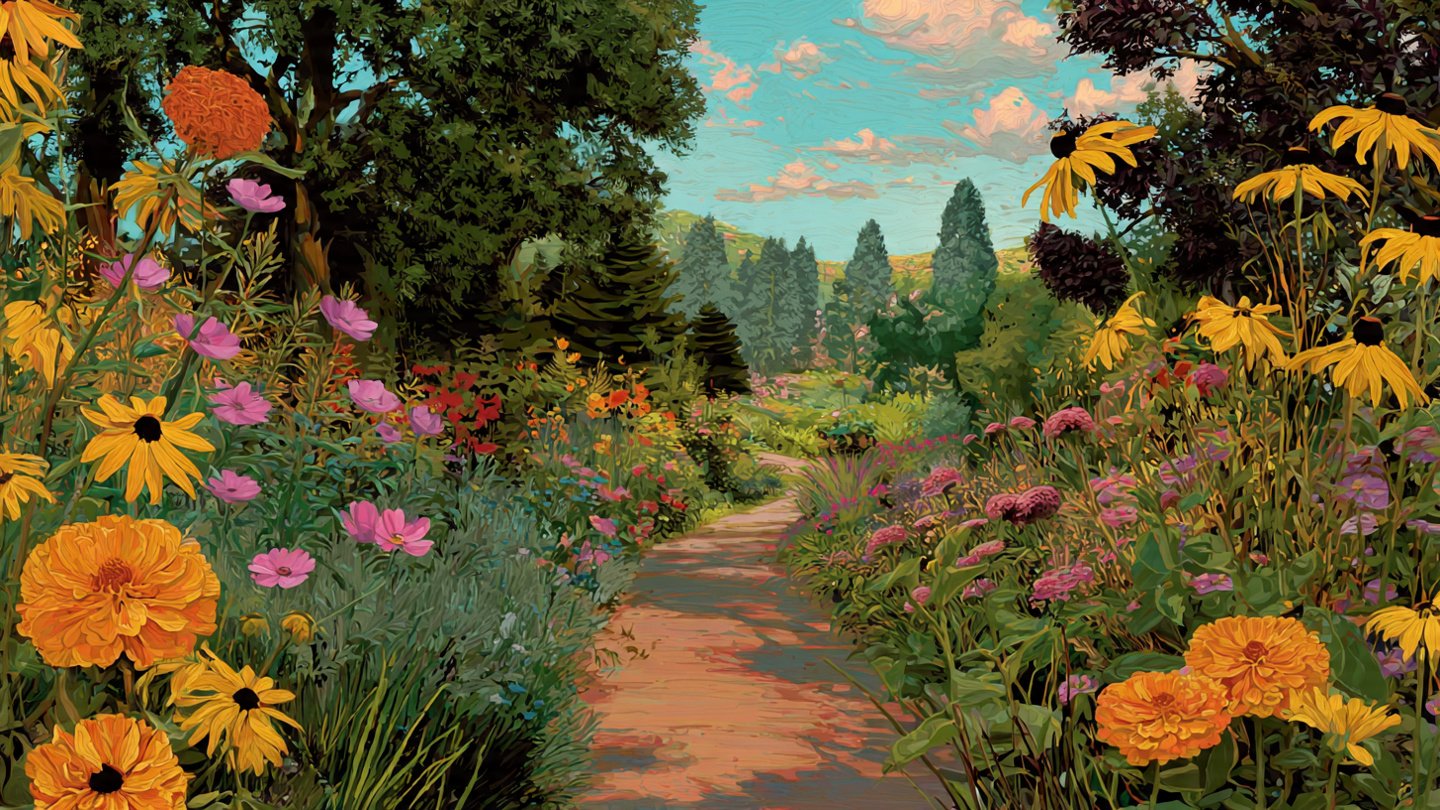

In recent years, the importance of pollinators in our ecosystems has become an increasingly popular topic of discussion among gardeners, environmentalists, and scientists. With a staggering decline in pollinator populations, particularly bees, butterflies, and other essential species, the call for action to create habitats that support these vital insects is more urgent than ever. One effective way to do this is by establishing a dedicated Pollinator Highway in your garden. This article explores the significance of pollinator highways, their benefits, how to create one, and why they are essential for both the environment and agricultural production.
Understanding the Role of Pollinators
Importance of Pollinators
Pollinators such as bees, butterflies, bats, and certain birds play a crucial role in the ecosystem by facilitating the reproduction of flowering plants. They ensure the transfer of pollen from one flower to another, leading to the production of seeds and fruits. It’s estimated that about 75% of the world’s flowering plants depend on animal pollinators for reproduction. In agricultural contexts, pollination is vital for the growth of fruits, vegetables, nuts, and seeds, which form the backbone of food systems globally.
Current Threats to Pollinator Populations
However, pollinator populations are in decline due to various human-induced factors, including habitat loss, pesticide use, climate change, and pathogens. The decline has serious implications not only for biodiversity but also for global food security. Many crops depend on these tiny workers, and as their numbers dwindle, so too does the pollination of essential food sources.
What Is a Pollinator Highway?
A Pollinator Highway is a specialized pathway or corridor within your garden designed to support and foster populations of pollinators. It typically includes a variety of flowering plants, shrubs, and trees that bloom at different times throughout the year, providing continuous food sources for pollinators. These highways can serve as critical links between fragmented habitats, enabling pollinators to travel safely from one area to another, thereby promoting genetic diversity and resilience among species.
Benefits of Having a Pollinator Highway
Establishing a dedicated Pollinator Highway in your garden offers numerous benefits:
1. Increased Biodiversity
Creating a Pollinator Highway can foster a diverse range of plant and animal life, which in turn increases the overall biodiversity of your garden. A rich plant community will attract various types of pollinators at different times of the year, facilitating a more balanced ecosystem.
2. Enhanced Food Production
For those engaged in gardening or farming, a Pollinator Highway can dramatically increase crop yields. Studies have shown that the presence of pollinators can lead to higher fruit set and seed production, translating to more abundant harvests. By providing essential resources for these pollinators, you cultivate a thriving ecosystem that benefits your food production efforts.
3. Soil Health Improvement
A diverse range of plants can improve soil health by preventing erosion, enhancing nutrient cycling, and promoting a balanced microbe community. Healthy soils are essential for sustainable gardening, supporting deep-root systems and retaining moisture more effectively.
4. Aesthetic Appeal
Pollinator Highways can be visually stunning. By incorporating various flowering plants, you can create an ever-changing tapestry of colors and textures throughout the seasons. This not only enhances your garden’s beauty but can also make it an inviting sanctuary for both pollinators and people.
5. Educational Opportunities
Creating a Pollinator Highway offers an excellent opportunity for education. Whether it’s teaching children about the vital role of pollinators or engaging adults in discussions about conservation, your garden can become a learning hub. This hands-on experience can inspire others to take action in their own gardens.
How to Create a Pollinator Highway in Your Garden
Creating a Pollinator Highway requires some planning and consideration. Here are several steps to guide you in establishing this critical habitat.
1. Choose the Right Location
Select an area of your garden that receives plenty of sunshine. Most pollinators are attracted to sunny spaces where they can forage for food. If possible, select a location that can connect to nearby wild areas or other gardens to facilitate pollinator movement.
2. Plant a Diverse Range of Flowers
Diversity is key when it comes to attracting different species of pollinators. Aim for a variety of plants that bloom at different times throughout the growing season. This includes native wildflowers, herbs, shrubs, and trees. Some great options include:
- Spring Bloomers: Crocuses, Snowdrops, and Bluebells
- Summer Bloomers: Lavender, Coneflowers, and Milkweed
- Fall Bloomers: Goldenrods, Asters, and Sedums
3. Use Native Plants
Native plants are typically the best choice for attracting local pollinator species. These plants have evolved alongside the pollinators and will be more beneficial to them than exotic species. Check with local horticultural societies or extension services for a list of native plants suitable for your area.
4. Avoid Pesticides
One of the most significant threats to pollinators is pesticide use. Many common pesticides are harmful or deadly to bees and other beneficial insects. Opt for organic gardening practices to create a safe environment. If pests become a problem, consider integrated pest management strategies that do not harm pollinators.
5. Create Nesting Sites
Many pollinators, particularly bees, need suitable nesting areas. Consider leaving areas of bare ground for ground-nesting bees or incorporating dead wood, stems, and hollow twigs for others. You can also build bee hotels or insect hotels to provide additional nesting spaces.
6. Water Sources
Provide a water source within your garden to encourage pollinators to visit. This could be as simple as a small birdbath, shallow dishes filled with water, or even a small pond.
7. Community Involvement
Engaging your community can amplify the impact of your Pollinator Highway. Host workshops, share resources, or even collaborate on community gardens that prioritize pollinator health.
The Bigger Picture
Creating a dedicated Pollinator Highway is more than just an act of gardening; it is a statement of intent in the face of biodiversity loss. It supports not only local ecosystems but also contributes to larger environmental efforts aimed at restoring balance to our world.
Supporting Local Ecosystems
By establishing a Pollinator Highway, you’re contributing to local ecosystems and helping to combat the widespread issues that have led to pollinator decline. Your garden becomes a refuge for these species, allowing them to thrive, breed, and move freely in and out of your cultivated space.
Promoting Sustainability
The impact of adopting green practices extends beyond your garden. As more people create pollinator-friendly habitats, the collective effect can lead to healthier landscapes. This alignment with sustainability helps to mitigate issues caused by urbanization and industrial agriculture, promoting a more harmonious relationship between humans and the natural world.
Driving Awareness
Incorporating a dedicated Pollinator Highway into your garden can serve as an inspiring model for others in your community. As neighbors, friends, and family observe your commitment to biodiversity and environmental stewardship, they may be encouraged to take similar actions, creating a ripple effect that enhances local ecosystems.
Conclusion
A dedicated Pollinator Highway in your garden is not just beneficial for pollinators; it elevates the health and productivity of your garden and contributes to the welfare of the planet. With a deeper understanding of the critical role pollinators play in our ecosystems, now is the time to take action. Establishing a Pollinator Highway can enhance biodiversity, improve your food production, offer educational opportunities, and create a sustainable model for others to follow.
In these challenging times, fostering pollinator health is a small but powerful step toward ensuring the health of our planet. Let your garden be a beacon of hope and resilience, showing that individual efforts can contribute to a much larger cause. Invest in creating a Pollinator Highway today—it’s an investment in the future, for both your garden and the world.