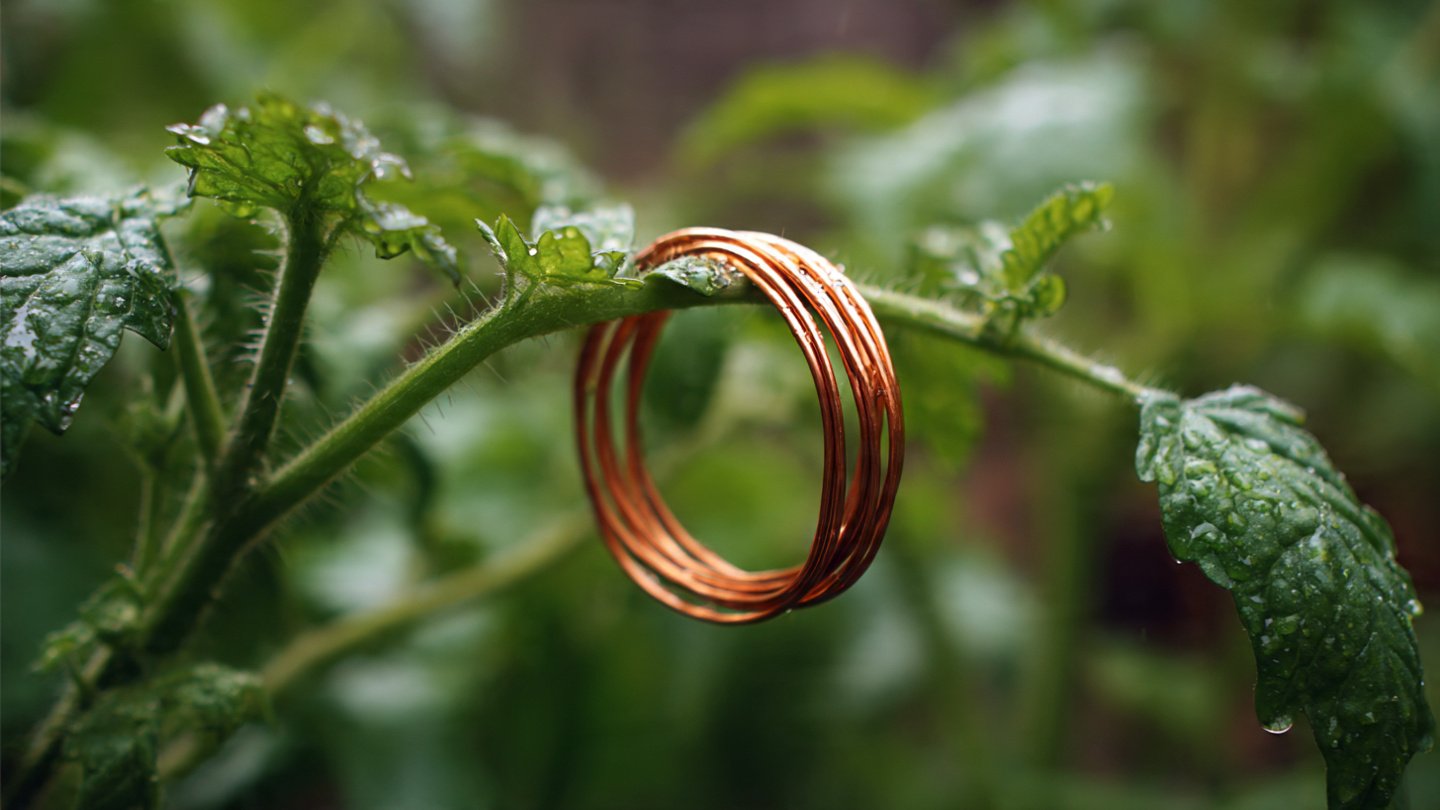

When it comes to nurturing tomato plants, gardeners continuously seek innovative methods to boost growth, enhance yields, and improve overall plant health. One of the lesser-known yet effective techniques involves the use of copper wire loops. This approach taps into the unique properties of copper, elevating the growth potential of tomato plants in various ways.
Understanding how copper wire can influence plant health starts with the intrinsic qualities of copper itself. Copper is not only a trace mineral essential for plant growth but also has antimicrobial, antifungal, and growth-promoting properties. When incorporated into a garden setting, copper can enhance the overall vigor of tomato plants, leading to improved growth rates and fruiting capabilities.
One of the critical ways copper wire loops can transform tomato plant growth is through soil health. The presence of copper in the soil, especially in controlled amounts, can boost beneficial microbial activities. Healthy soil microbiomes are crucial for nutrient uptake, organic matter decomposition, and disease resistance. By incorporating copper wire into gardening practices, gardeners may enhance microbial life, leading to better soil structure and fertility.
Moreover, copper wire can deter certain pests and diseases. Many tomato pests, such as aphids and caterpillars, can be discouraged by the presence of copper, which may emit a scent or create a barrier that these pests find uninviting. Similarly, certain fungal pathogens, which are threats to tomato plants, may be mitigated by the antimicrobial properties of copper. This preventive approach allows gardeners to minimize crop losses and reduce reliance on chemical pesticides.
The method of using copper wire loops involves several practical steps. Initially, gardeners can create loops using copper wire, ensuring they are wide enough to avoid harming plant roots as they grow. These loops can then be placed around the base of tomato plants or integrated into the soil. Over time, as the wire interacts with the soil and moisture, it can release small quantities of copper ions. As these ions diffuse into the soil, they promote microbial activities and enhance nutrient absorption by the tomato plants.
Additionally, the physical structure of the copper wire loops can encourage better water retention and aeration in the soil. Since copper is an excellent conductor of heat, its presence can help warm the surrounding soil, especially in cooler climates or seasons. This mild increase in soil temperature can stimulate plant metabolism and promote quicker germination and growth rates.
In terms of application, integrating copper wire loops in a garden bed is simple. Gardeners should avoid placing the wire directly in contact with seedlings or young plants to prevent injury. Instead, strategic placement—several inches away from the main stem and at soil level—can maximize benefits. Over time, monitoring the overall health of the plants will provide insights into the effectiveness of this approach.
Another aspect to consider is the longevity of copper in the soil. Unlike other materials that may degrade or leach over time, copper has a relatively stable presence. However, excessive copper can be harmful to plants and soil health. Thus, it’s crucial to monitor the wire condition and ensure that its effects remain positive. Regular soil testing can also help gauge copper levels, maintaining optimal growth conditions.
This technique can be particularly beneficial for organic gardeners who prefer natural solutions to enhance their plants’ health. By utilizing copper wire loops, they can reduce synthetic chemical applications while still ensuring robust tomato growth. This method aligns well with sustainable agricultural practices, where environmental health and crop productivity go hand in hand.
Moreover, incorporating copper wire loops can have a ripple effect on pest management. As awareness of organic pest control methods increases, gardeners can adopt copper as a viable alternative to chemical pest deterrents. The loops can serve as a foundational element in an integrated pest management (IPM) strategy, combining physical barriers with other organic methods such as companion planting or natural predators.
Educational outreach on the benefits of copper wire loops in tomato gardening is becoming increasingly essential. As more gardeners experiment with this technique, the importance of sharing knowledge, results, and experiences can lead to a broader acceptance of innovative practices that enhance plant health. Workshops, local gardening clubs, and online forums can facilitate discussions around this method, fostering a community focused on improving agricultural practices.
Delving deeper into the science behind copper’s effect on plants can provide valuable insights. Copper plays a vital role in photosynthesis, aiding in chlorophyll production. Adequate copper levels in the soil can enhance the green color and vitality of tomato leaves, suggesting healthy growth. Furthermore, the balance of micronutrients, including copper, is essential for the synthesis of various enzymes that contribute to plant metabolism and growth.
Gardeners should also be cognizant of the signs of copper deficiency in tomato plants. Symptoms may include stunted growth, poor fruit development, and general plant decline. Recognizing these signs and promptly addressing them through copper loops can help avert potential crop failure. Providing a consistent and optimal balance of micronutrients lends itself to more robust plants and better yields.
Furthermore, the copper wire loop method aligns well with permaculture principles. By encouraging natural systems and pest controls, gardeners can create a closed-loop system that minimizes waste while maximizing productivity. This symbiotic relationship between copper loops, soil health, and tomato growth embodies the essence of sustainable gardening.
Gardeners interested in exploring copper’s potential benefits can begin by conducting simple experiments. For instance, they can set up control groups, with some plants benefiting from the copper loops and others growing without them. Documenting growth rates, fruit yield, and overall plant health will yield valuable data that can substantiate or refute the effectiveness of this method. Keeping a gardening journal can serve as an excellent resource for reflecting on progress and making necessary adjustments.
It is essential to note that while copper wire loops can offer numerous benefits, they should not be seen as a panacea for all gardening challenges. Tomato health can also be influenced by other vital factors, including light exposure, watering practices, and pest management. A holistic approach that integrates various practices—including proper soil amendments, crop rotation, and companion planting—will ultimately yield the best results.
Incorporating copper wire loops can be an exciting addition to a gardener’s toolkit. Whether you are a novice or an experienced horticulturist, experimenting with this technique can offer fresh insights and perspectives on nurturing your tomato plants. As interest in organic and sustainable gardening continues to grow, more gardeners are likely to seek alternative solutions that promote plant health and environmental stewardship.
Through ongoing research and shared experiences, the gardening community can continue to uncover the full potential of copper in enhancing tomato plant growth. As more gardeners adopt this method and experiment with variations, the collective knowledge can foster innovation and inspire a new era of sustainable gardening practices.
In conclusion, using copper wire loops presents an intriguing approach to enhancing tomato plant growth. From improving soil health and deterring pests to promoting overall plant vigor, this technique offers a range of benefits that align with modern sustainable gardening principles. By understanding the science behind copper’s effects and actively experimenting with this method, gardeners can cultivate healthier, more productive tomato plants, thereby elevating their gardening experience. Embracing innovation and community knowledge exchange will lead to success in transforming gardens into bountiful, thriving ecosystems.