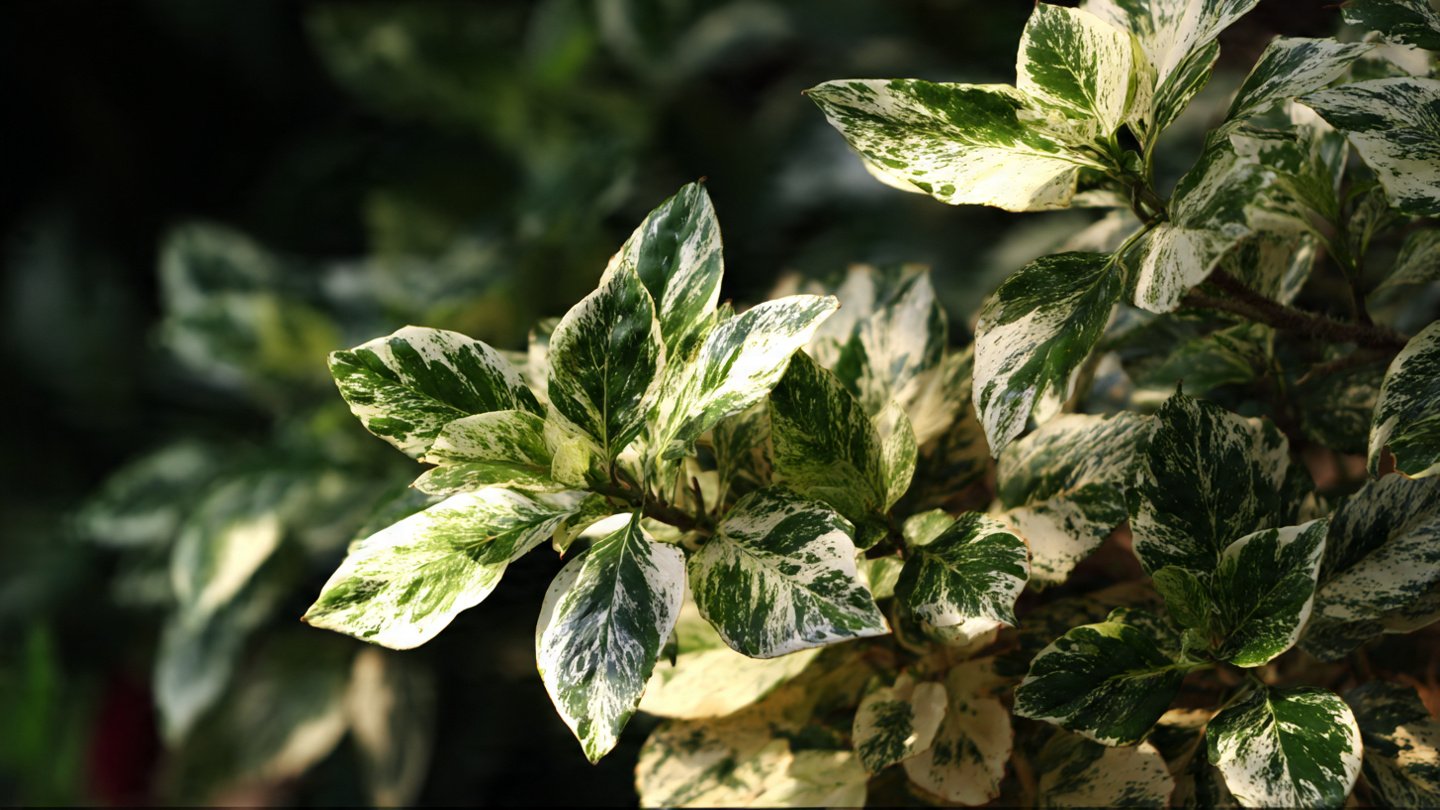

In the world of horticulture, few trends capture the imagination quite like the rise of rare variegated plants. These stunning plants, characterized by their unique and often bold leaf patterns, have transcended their aesthetic appeal to become ultimate status symbols among gardening enthusiasts. Collectors and casual gardeners alike covet these botanical treasures, not just for their beauty but also for what they represent in the gardening community.
The Allure of Variegation
Variegated plants feature leaves with two or more distinct colors, often appearing as splashes or stripes of green, white, yellow, or even pink. This striking visual appeal is primarily due to genetic mutations that cause the absence of chlorophyll in certain areas of the leaf. While plants with variegated foliage may initially seem like a novel choice for a garden, their rarity and the complexities surrounding their cultivation set them apart in the gardening world.
Uncommon Traits
In nature, variegation can be an unstable trait. Many of these plants revert to their non-variegated forms over time, making them less predictable and therefore more desirable. The difficulty in propagating and maintaining these plants adds to their cachet, as horticulturists often need specialized knowledge to nurture them successfully.
Symbol of Commitment
Owning rare variegated plants is not just about having something visually unique; it’s also a commitment to the craft of gardening. These plants often require specific attention and care involving ideal lighting conditions, humidity levels, and soil types. For many gardeners, successfully cultivating these rarities becomes a badge of honor, showcasing their dedication and skill.
The Social Aspect: A Growing Community
The gardening world thrives on community and shared enthusiasm. Social media platforms have bolstered the visibility of rare plants, creating fertile ground for a new social hierarchy among plant collectors. Facebook groups, Instagram accounts, and online forums have sprung up, where enthusiasts share tips, stories, and pictures of their prized possessions. These platforms have made it easier than ever for people to connect over their passion for variegated plants.
Fostering Connection
Owning or cultivating rare variegated plants often leads to an increased sense of belonging. Gardeners form bonds over shared tips or trading specimens, and they celebrate the hunt for unique plant species together. In some communities, attending plant swaps or fairs has become a way to showcase not just individual collections but also personal gardening philosophies and skills.
Influencing Trends
As more people share images of their variegated plants on platforms like Instagram, the collective desire for these unique specimens grows. The aesthetic appeal of variegation—whether it’s the soft pastel colors of a rare Monstera or the striking patterns of a variegated snake plant—has become a theme through which countless gardeners express their personal styles. This popularity cycle further enhances the allure and value of variegated plants as status symbols.
Economic Factors: The Plant Market Boom
The rarity of variegated plants leads to elevated prices, often making them an exclusive commodity in garden centers and specialty shops. Trends in the plant market fluctuate, but the rarity of variegated species often ensures that prices remain high. Some variegated plants can sell for hundreds or even thousands of dollars, depending on their rarity and demand.
Investment Potential
Beyond personal enjoyment, rare plants have also become an investment opportunity for some. With thoughtful cultivation, the value of a variegated plant can appreciate over time, paralleling investments in art or collectible items. For many, the financial aspect adds another layer of allure, making rare variegated plants not just a garden centerpiece but also a financial asset.
A Growing Market
This trend has captured the attention of nurseries and growers, leading to a burgeoning market for rare varieties. Gardeners are increasingly willing to invest time and money into seeking out these plants, contributing to a rising tide in the overall plant market. This increased demand frequently translates into innovation, with growers focusing not just on producing more plants but also on introducing new and exciting hybrids.
The Craft of Cultivation: Sustainability and Ethics
With great demand comes great responsibility. The collecting and propagation of rare variegated plants raise questions about sustainability, conservation, and ethics. Many rare varieties are cultivated in a manner that respects ecological balance and biodiversity, but the high demand can inadvertently lead to overharvesting in the wild.
Ethical Sourcing
Many gardeners today opt for ethically sourced plants, often prioritizing nurseries that practice sustainability. Collecting plants from the wild can threaten their populations, making it crucial for gardeners to support growers who propagate plants responsibly. The rise of plant-parent culture emphasizes not just aesthetic appreciation but also ecological responsibility, allowing gardeners to take pride in their choices.
Education and Awareness
Increasing awareness around the environmental impact of plant cultivation can also strengthen the community fabric. By actively discussing these ethical considerations, gardeners can contribute to a more responsible approach towards collecting rare species. This emphasis on education promotes a shared commitment to preserve biodiversity while enjoying the aesthetic value of variegated plants.
The Psychological Benefits: Nature and Mental Well-Being
Beyond their status symbol qualities, rare variegated plants offer numerous psychological benefits. Gardening has long been associated with improved mental health, and the joy of nurturing something unique can enhance these benefits.
Connection to Nature
Engaging with plants, especially rare varieties, fosters a deeper emotional connection to nature. As gardeners nurture their plants, they often find solace in the routines of watering, pruning, and observing growth. These activities can act as therapeutic outlets, reducing stress and promoting mindfulness.
Fulfillment and Pride
Successfully growing rare variegated plants provides a sense of achievement and pride that can be deeply satisfying. These small victories can elevate mood and instill a sense of purpose, counteracting the stressors of everyday life.
Conclusion: The Everlasting Allure
The allure of rare variegated plants extends far beyond their visual beauty; they represent a complex interplay of commitment, community, economics, ethics, and mental well-being. Their growing popularity as status symbols in the gardening world speaks to our innate desire to express individuality, connect with others, and celebrate the natural world.
As gardeners continue to seek out these unique specimens, the conversation surrounding ethical sourcing, sustainability, and appreciation will only grow. Rare variegated plants have become not just a trend but a cultural phenomenon, marking our deep-rooted fascination with nature and beauty in new and exciting ways.
In essence, owning and nurturing these botanical treasures offers much more than aesthetic appeal. They become a journey—a status symbol showcasing dedication, a conversation starter in the community, and a commitment to environmental responsibility. In this way, rare variegated plants will continue to thrive not just in our gardens but in the collective consciousness of gardening enthusiasts around the globe.