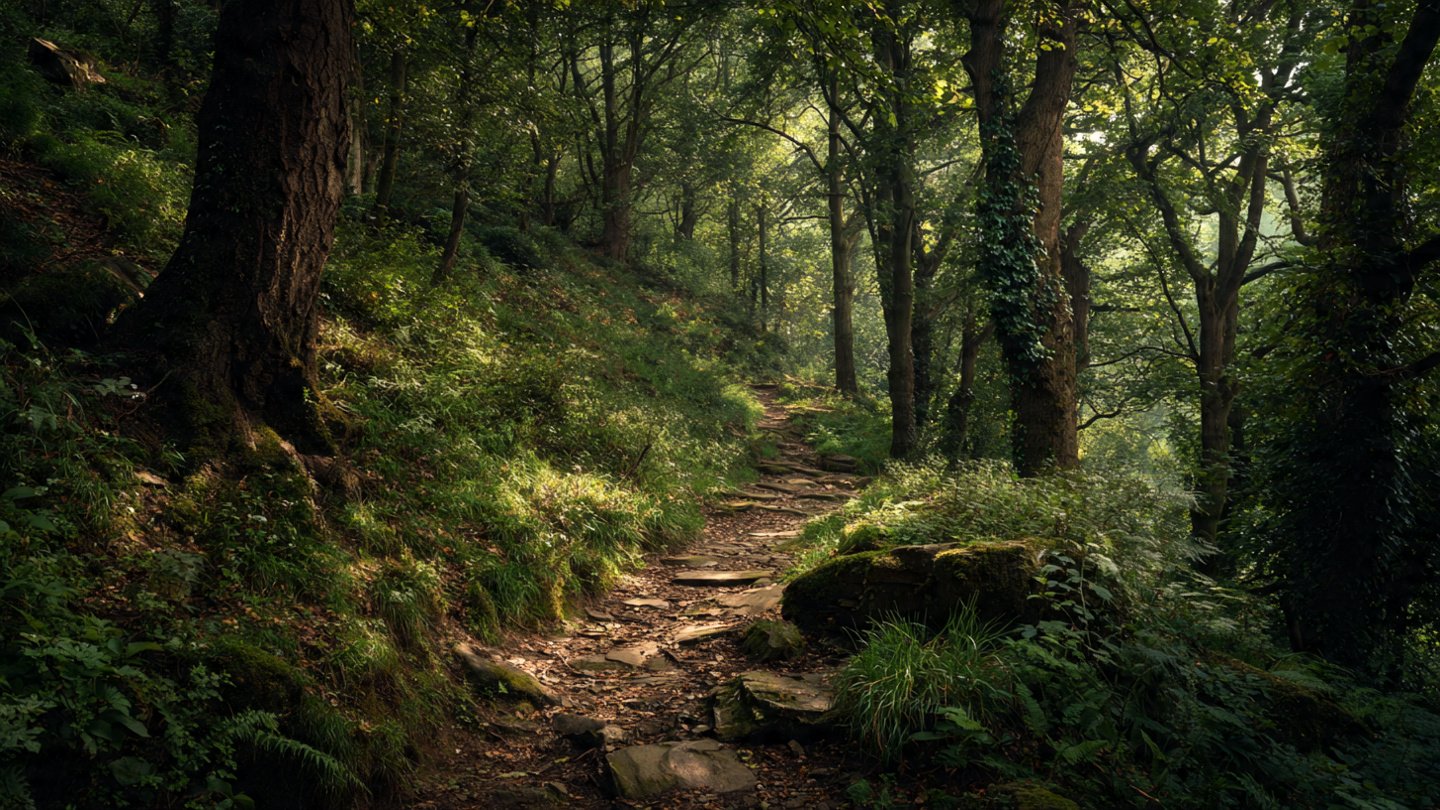

Are you tired of looking at an uninspired side yard that does nothing to enhance your property? Does it feel more like a waste of space than a hidden gem? If so, it’s time to consider transforming that dull side yard into a captivating woodland path. This project doesn’t just beautify your outdoor space but also increases its usability and value. Below, we’ll explore how you can create a serene woodland path, step by step.
Step 1: Planning Your Path
Before you start digging or planting, having a solid plan is crucial. Here are the factors you should consider:
- Layout: Sketch out your desired path. Consider curves and bends rather than a straight line for a more organic feel.
- Width: Decide how wide you want your path to be based on its intended use. A width of 2-3 feet is generally sufficient for walking.
- Materials: Choose materials suitable for your path, such as gravel, stone, or mulch. Natural materials harmonize better with a woodland theme.
Step 2: Preparing the Ground
Once your plan is in place, it’s time to prepare the area. Follow these steps:
- Clearing: Remove any debris, weeds, or existing plants from your side yard.
- Marking: Use string and stakes to mark out the path layout you sketched earlier.
- Leveling: Level the ground if necessary, making sure your path will have a slight slope for water drainage.
Step 3: Choosing the Right Plants
No woodland path is complete without an array of plants that blend seamlessly with the landscape. Here are some top choices:
- Ferns: These hardy plants thrive in shady areas and have a beautiful, feathery appearance.
- Hostas: Known for their lush foliage, hostas come in various sizes and colors.
- Wildflowers: Incorporate native wildflowers to attract pollinators and add splashes of color.
- Ground Cover: Use low-growing plants like creeping thyme or moss as natural borders along your path.
Step 4: Constructing the Path
Now that you have everything planned and prepared, it’s time for the fun part—building the path!
- Base Layer: Start by laying down a base layer of weed barrier to prevent weeds from emerging.
- Add Gravel or Stone: Pour your chosen material over the barrier, ensuring it’s compacted and even.
- Edging: Consider using stone or wood to create an edge for the path; this will also help keep your landscaping materials in place.
- Finishing Touches: Integrate logs or stepping stones along the path to enhance its woodland character.
Step 5: Adding Accessories and Lighting
For a magical touch, consider adding accessories that enhance the woodland theme:
- Seating Areas: A small bench or a couple of rustic chairs can turn your side yard into a quiet retreat.
- Path Lighting: Subtle solar lights can illuminate the path at night, making it inviting and safe for evening strolls.
- Decorative Features: Include birdhouses, garden sculptures, or small water features that create a focal point.
Step 6: Maintenance and Care
To keep your woodland path pristine:
- Regular Weeding: Periodically check for weeds and remove them before they take over.
- Pruning: Trim back any overgrowing plants that may obstruct the path.
- Replacing Materials: Replenish gravel or mulch as needed to maintain accessibility and visual appeal.
Conclusion
Transforming a dull side yard into a hidden woodland path is not just an aesthetic upgrade—it can offer a peaceful retreat and a closer connection to nature. By carefully planning your layout, choosing the right plants, and constructing your path with natural materials, you can create a space that invites exploration and relaxation. Whether you want to enjoy a personal sanctuary or enhance your property’s value, this project offers enduring benefits. Soon, your side yard will no longer be an afterthought but an enchanting adventure.
FAQs
1. How long will it take to complete this project?
The time required varies based on the size of your yard and your level of expertise, but you can expect it to take anywhere from a weekend to a week.
2. Can I create a woodland path on a budget?
Absolutely! Use locally sourced materials and choose native plants that require less maintenance to help save costs.
3. Are there any specific plants I should avoid?
Avoid invasive species that can overtake your garden and disrupt the local ecosystem. Stick with native plants that thrive in your region.
4. How often should I maintain my woodland path?
Regular maintenance includes weeding and pruning, which should occur at least once a month, with seasonal touch-ups for materials.
5. Is it difficult to install path lighting?
No, solar path lights are easy to install—just place them where you want, and they will charge during the day and light up at night!