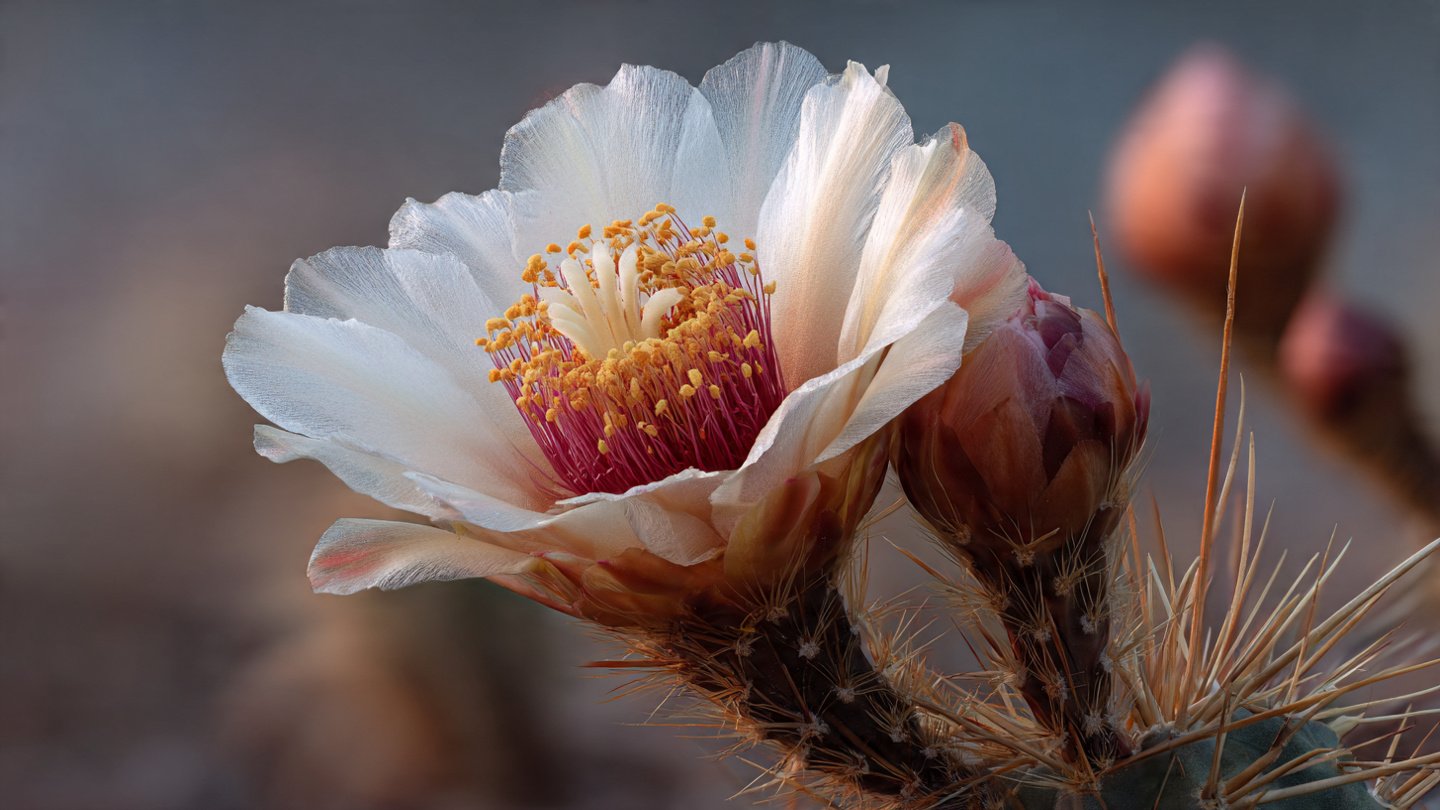

Imagine witnessing an extraordinary event where a rare cactus, known as the Century Plant or Agave americana, blooms after nearly a century of waiting. While many flora exhibit unique blooming cycles, nothing quite compares to the intrigue surrounding this particular species. The phenomenal bloom and subsequent seed production occurs only once every 100 years, raising questions about nature’s mechanics, environmental conditions, and the life cycle of this remarkable plant.
The Century Plant: An Overview
The Century Plant, native to the arid regions of Mexico and the southwestern United States, belongs to the Agave family. It is well-known for its striking rosette form, thick and spiky leaves, and towering flower stalk that can reach heights of up to 30 feet. The plant’s remarkable adaptation to harsh environments allows it to thrive in areas with poor soil and scant water resources.
Adaptations for Survival
The Century Plant showcases several adaptations that ensure its survival in extreme conditions:
- Water Storage: Its succulent leaves store water, allowing it to survive prolonged droughts.
- Gas Exchange: The plant employs a specialized form of photosynthesis known as CAM (Crassulacean Acid Metabolism), which minimizes water loss by opening its stomata at night.
- Deep Roots: The extensive root system enables the plant to access groundwater deep beneath the surface.
The Blooming Process
The Century Plant’s blooming cycle is shrouded in mystery, which has captivated botanists and enthusiasts alike. The process usually begins after several decades, triggered by a combination of environmental factors and physiological changes within the plant.
Influential Environmental Factors
The rare blooming event is influenced by the following environmental conditions:
- Temperature: An extended period of warm temperatures can trigger the flowering process.
- Water Availability: A significant rainfall event, or an unusually wet season, may provide the necessary hydration to stimulate flowering.
- Nutrients: The soil’s nutrient composition plays a vital role in the plant’s growth and eventual bloom.
The Lifecycle: Seed Production
Once the plant blooms, it produces a spectacular flower stalk that blossoms with hundreds of yellow-green flowers, attracting various pollinators. This flowering event lasts only a few weeks; however, its impact is monumental:
- Pollination: The flowers are primarily pollinated by bats and insects, which are drawn to their sweet nectar.
- Seed Formation: Following successful pollination, the plant dedicates its energy to seed development, resulting in thousands of seeds that are dispersed into the environment.
- End of Cycle: After flowering and seed production, the original plant dies, completing its life cycle.
The Role of Timing and Circumstances
Understanding what makes the Century Plant bloom so infrequently entails recognizing the delicate balance of timing and circumstantial factors. The plant relies heavily on its surroundings, and if conditions are not favorable at the critical moment, it may delay blooming for several more decades.
Challenges to Germination
Even after the seeds are dispersed, the chances of germination are influenced by multiple factors:
- Soil Conditions: The seed must land in nutrient-rich, well-drained soil to germinate successfully.
- Moisture Levels: Adequate moisture is necessary for the seed to absorb and sprout.
- Predation: Seed predation by birds and insects can hinder successful growth into new saplings.
Conclusion
The Century Plant’s extraordinary blooming cycle, which occurs just once a century, illustrates the marvels of nature and the complexity of life. This remarkable phenomenon serves as a reminder of the intricate ties between plants and their environments, revealing how external factors significantly influence the life cycles of certain species.
While many admire the bloom of the Century Plant as a breathtaking spectacle, the underlying biological and environmental conditions that govern this rare event lend insight into the nuanced interrelationships within ecosystems. As we continue to explore and understand the world around us, moments like this remind us of nature’s unpredictable beauty and its capability for resilience and adaptation.
FAQs
1. Why is it called the “Century Plant” if it doesn’t always bloom every 100 years?
The name “Century Plant” can be misleading; it refers to the long lifespan of the plant and the infrequency of its blooming. Some may bloom in as little as 10 years, while others can take much longer.
2. Can Century Plants be cultivated?
Yes, Century Plants can be cultivated, although they require specific conditions. Well-drained soil and plenty of sunlight are essential for their growth.
3. Are the flowers of the Century Plant edible?
Yes, the flowers are edible and can be used in various dishes. They have a sweet flavor and can be eaten raw or cooked.
4. How long does the flowering period last?
The flowering period itself is relatively short, lasting a few weeks, but it creates a significant impact with the potential for thousands of seeds to be produced.
5. How does climate change affect the Century Plant’s blooming cycle?
Climate change can alter temperature patterns and precipitation levels, affecting the natural cues that trigger the blooming cycle of the Century Plant and potentially delaying or accelerating the process.