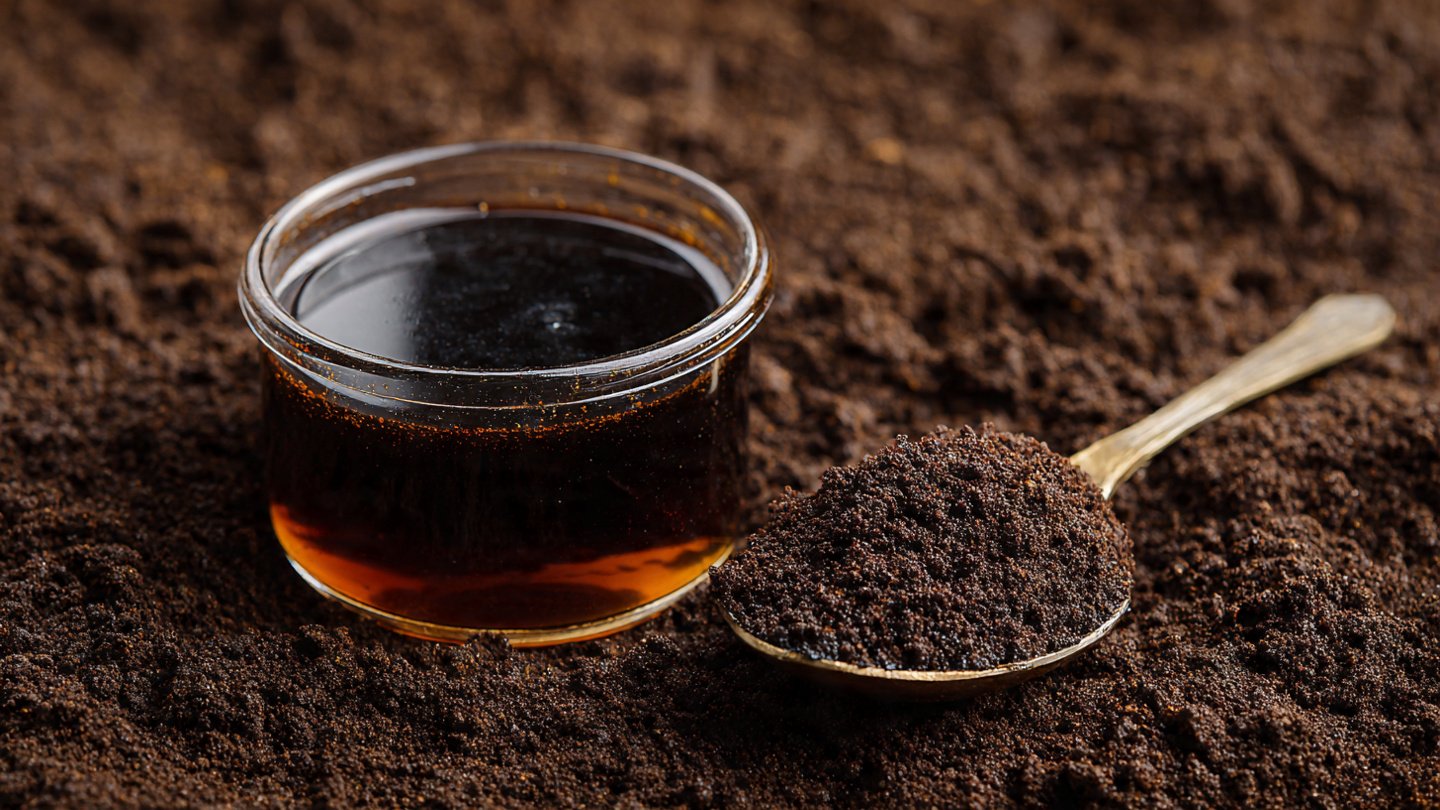

In the world of gardening and sustainable farming, boosting soil health is paramount. One substance that has garnered attention for its remarkable benefits is molasses. This thick, dark syrup, often associated with baking and cooking, is emerging as a secret weapon for enhancing soil bacterial populations. But what exactly makes molasses so powerful for soil health? In this article, we’ll explore the science behind molasses, its benefits for soil bacteria, and practical applications for your gardening practices.
Understanding Molasses
Molasses is a byproduct of the sugarcane or sugar beet processing. During sugar extraction, molasses is the syrup that remains after the sugar crystals are removed. It is rich in essential nutrients, including:
- Carbohydrates
- Calcium
- Magnesium
- Iron
- Vitamin B6
- Antioxidants
This nutrient-rich profile makes molasses not just a sweetener, but also an exceptional organic amendment for soil health.
The Role of Soil Bacteria
Before delving into how molasses benefits soil bacteria, it’s important to understand the critical role soil bacteria play in our ecosystems. Soil bacteria are tiny microorganisms that help decompose organic matter, unlock nutrients, and promote healthy plant growth. Here are some key functions:
- Nutrient Cycling: Soil bacteria break down organic matter, releasing vital nutrients like nitrogen, phosphorus, and potassium, which plants require.
- Soil Structure: Through their biological activity, soil bacteria help improve soil structure, creating aggregates that enhance aeration and water retention.
- Plant Health: Certain bacteria form symbiotic relationships with plants, helping them absorb nutrients more effectively.
How Molasses Boosts Soil Bacteria
Now let’s explore how molasses serves as a booster for soil bacteria:
1. A Food Source for Microorganisms
The primary reason molasses is so effective in promoting soil bacterial growth is that it acts as a food source. The high sugar content in molasses serves as a carbon source, which is vital for microbial respiratory processes. By feeding beneficial bacteria, molasses enhances their populations, leading to:
- Increased decomposition of organic matter
- Enhanced nutrient availability for plants
- Improved soil structure, allowing for better water retention
2. Stimulating Beneficial Bacteria
Molasses is particularly beneficial for boosting populations of beneficial bacteria, which can outcompete harmful microbes. This competitive advantage is essential for maintaining a healthy soil ecosystem, as beneficial bacteria:
- Suppress diseases by inhibiting harmful pathogens
- Produce natural antibiotics
- Help decompose toxins in the soil
3. Enhancing Soil Fertility
By increasing microbial populations, molasses indirectly enhances soil fertility. Healthy soil teeming with beneficial bacteria is better equipped to deliver nutrients to plants. As these bacteria break down organic material and release nutrients, plants can access the essential resources they need for growth, including:
- Macronutrients: Nitrogen, phosphorus, potassium
- Micronutrients: Iron, magnesium, and more
How to Use Molasses in Your Garden
Now that we understand the benefits of molasses for soil bacteria, let’s explore practical methods for incorporating it into your gardening practices.
1. Molasses Tea
One of the most popular methods is to make a molasses tea. This simple solution allows you to apply molasses directly to the soil, effectively feeding your beneficial bacteria. Here’s how to make it:
- Mix 1 tablespoon of blackstrap molasses in 1 gallon of water.
- Stir well until fully dissolved.
- Pour the mixture around the base of your plants or use it to water your garden.
2. Compost Booster
If you’re composting, adding molasses can speed up the decomposition process. When you add a bit of molasses to your compost pile, it provides immediate energy for the bacteria, enhancing the breakdown of materials. Ensure to mix it well to distribute the sugars evenly throughout the pile.
3. Soil Drench
A soil drench involves applying the molasses solution directly to the soil. For best results, use it during active growing seasons to maximize its benefits:
- Prepare a molasses solution as indicated above.
- Pour the solution evenly across the soil, ensuring good coverage.
Considerations When Using Molasses
While molasses is generally safe and beneficial, there are a few things to keep in mind:
- Quantity: Excessive application can lead to an overload of sugars, promoting harmful microbial growth. Always stick to recommended dosages.
- Type of Molasses: Choose organic blackstrap molasses for the best results, as it contains higher nutrient levels compared to regular molasses.
- Timing: Apply molasses during periods of active growth or right before planting to maximize its benefits.
Conclusion
Molasses is more than just a sweetener; it is a valuable ally in promoting soil health and enhancing beneficial bacterial populations. By serving as a nutritious food source, stimulating microbial activity, and enhancing soil fertility, molasses can effectively transform your garden into a thriving ecosystem. Whether you are a seasoned gardener or just starting, incorporating molasses into your soil management practices can yield impressive results, fostering healthier plants and enriching the soil for years to come.
Frequently Asked Questions (FAQs)
1. Can I use any type of molasses for gardening?
It’s best to use organic blackstrap molasses, as it contains the highest nutrient content and lowest sugar levels compared to other types of molasses.
2. How often should I apply molasses to my garden?
Applying molasses once a month is adequate for maintaining healthy soil bacteria. Adjust based on specific plant needs and soil health.
3. Is there a risk of attracting pests when using molasses?
While molasses may attract ants, the benefits to your soil’s bacterial population generally outweigh any potential pest issues. Monitor your garden, and take necessary precautions if needed.
4. Can I use molasses in hydroponic systems?
Using molasses in hydroponics is generally not recommended, as it can lead to clogging and create favorable conditions for harmful microorganisms. Stick to nutrient solutions designed for hydroponics instead.
5. What is the difference between molasses and compost?
While both enhance soil health, molasses serves primarily as a food source for bacteria, whereas compost is a mixture of decomposed organic materials that improves soil structure and nutrient content.