
Introduction
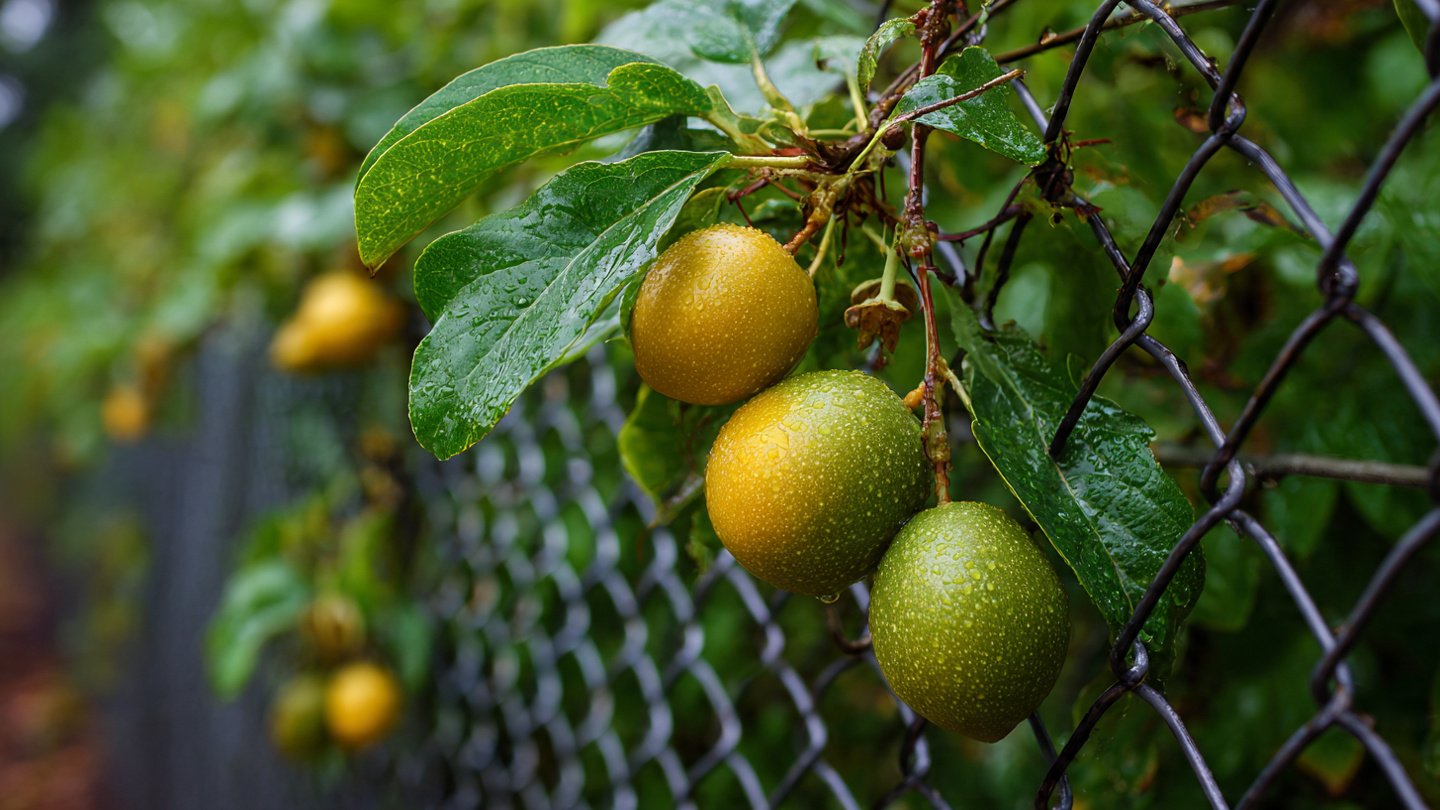
Passion fruit is a tropical vine that produces unique and aromatic fruits, perfect for adding flavor to smoothies, desserts, or enjoyed fresh. Growing exotic passion fruit can be a rewarding experience, especially when utilizing simple structures like a fence for support. Not only does this save space, but it also enhances the aesthetic appeal of your garden. In this article, we will explore how to grow passion fruit on a fence line effectively, covering everything from soil requirements to pests and diseases.
Understanding Passion Fruit
The passion fruit (Passiflora edulis), a member of the Passifloraceae family, is known for its vibrant purple or yellow skin and juicy, tangy interior filled with seeds. It thrives in warm climates and is typically grown in USDA hardiness zones 10-11. While it can be cultivated in containers, growing it along a fence enables the vine to climb easily, maximizing sunlight exposure and overall growth.
Choosing the Right Variety
There are several varieties of passion fruit, but two of the most popular are:
- Purple Passion Fruit: This variety is small and round with a deep purple skin and sweet pulp, making it ideal for culinary uses.
- Yellow Passion Fruit: Larger than the purple variety, it has a smoother skin and a tart flavor, excellent for juicing.
When choosing a variety to grow, consider your climate and the intended use of the fruit. Purple passion fruit tends to be more suitable for cooler areas, while the yellow variety thrives in hotter regions.
Preparing Your Fence and Soil
The first step to a successful passion fruit garden is preparing your fence and soil. A wooden or wire fence is ideal for supporting the climbing vines, offering ample space for growth.
Fence Preparation
Ensure your fence is sturdy enough to support the weight of the vines and fruit. The fence should be at least 4-6 feet tall and placed in a sunny location that receives full sunlight for 6-8 hours daily. Regularly check for any damage or wear to keep your plants supported throughout their growing season.
Soil Preparation
Passion fruit prefers well-drained, fertile soil with a pH level of 6.0 to 7.0. To prepare the soil:
- Choose a sunny location where the fence is positioned.
- Clear any weeds, debris, or rocks from the area.
- Amend the soil with organic matter such as compost or well-rotted manure to improve fertility and drainage.
Conducting a soil test can be beneficial to determine what amendments are necessary for optimal growth.
Planting Passion Fruit Seeds or Seedlings
You can either plant seeds directly in the garden or start with seedlings. Starting with seedlings speeds up the process as they already establish roots and growth.
Seed Planting
If planting seeds, soak them overnight to enhance germination. Plant them about 1 inch deep in the soil, spacing them approximately 3 feet apart. Water them well after planting and keep the soil moist but not waterlogged.
Seedling Planting
When using store-bought seedlings, dig a hole slightly larger than the root ball and place the plant in it, ensuring that the crown is level with the soil surface. Backfill with soil and water thoroughly.
Watering and Nutrition
Watering is crucial for passion fruit. Young plants require consistent moisture but do not like to sit in water. Aim to provide around 1 inch of water per week during the growing season. As the plants mature, they can tolerate a bit of drought, but it’s essential to monitor soil moisture levels.
Fertilization should begin three months after planting. Apply a balanced fertilizer or one high in phosphorus to encourage flowering and fruiting. Repeat the application every 6-8 weeks during the growing season.
Supporting the Growth
As your passion fruit vine grows, it will need ample support to climb the fence. Tie the young vines to the fence using soft garden ties or strips of cloth, ensuring not to damage the stems. Regularly check the plants for growth direction, and gently redirect the vines back to the fence if needed.
Pest Management
Keeping an eye on pests and diseases is essential for healthy growth. Common pests affecting passion fruit include:
- Aphids: These small insects can damage leaves and affect plant growth. Use insecticidal soap or neem oil for treatment.
- Mealybugs: These pests appear as white cottony masses on the leaves. Remove them by hand or treat with soap solutions.
Additionally, diseases such as fungal infections and root rot can pose threats. Ensure proper spacing for air circulation and avoid overwatering to mitigate these risks.
Harvesting Your Passion Fruit
Passion fruit typically takes 3-4 months to produce fruit after flowering. The fruit is ripe when it turns a deep color (purple or yellow depending on the variety) and starts to wrinkle slightly. Harvest the fruit by cutting it from the vine, avoiding pulling to ensure the vine remains intact for continued production.
Conclusion
Growing exotic passion fruit on a simple fence line can be a delightful and fruitful endeavor. By selecting the right variety, preparing the soil and support structure, and practicing proper care techniques, you can enjoy a bountiful harvest of lush, aromatic fruits. The vibrant vines not only offer delicious produce but also enhance the beauty of your garden space. Whether you enjoy the fruits fresh or in various culinary uses, the joy of cultivating this unique plant will undoubtedly be rewarding.
Frequently Asked Questions (FAQs)
1. Can passion fruit be grown in pots?
Yes, passion fruit can be grown in pots, but make sure the pot is large enough (at least 5 gallons) and has adequate drainage. Use high-quality soil and provide a trellis or support for the vine to climb.
2. How often should I water my passion fruit plant?
Water your passion fruit plant about once a week, providing around 1 inch of water, but ensure the soil does not become waterlogged.
3. How long does it take for passion fruit to produce fruit?
Generally, passion fruit plants take approximately 3-4 months from flowering to produce ripe fruit, depending on environmental conditions.
4. What diseases should I look out for when growing passion fruit?
Common diseases include root rot and fungal infections. Ensure proper drainage, avoid overwatering, and provide adequate air circulation to prevent these issues.
5. How can I propagate passion fruit?
You can propagate passion fruit through seeds or cuttings. To take cuttings, choose healthy stems, ensure they are about 6 inches long, and root them in moist soil until established.