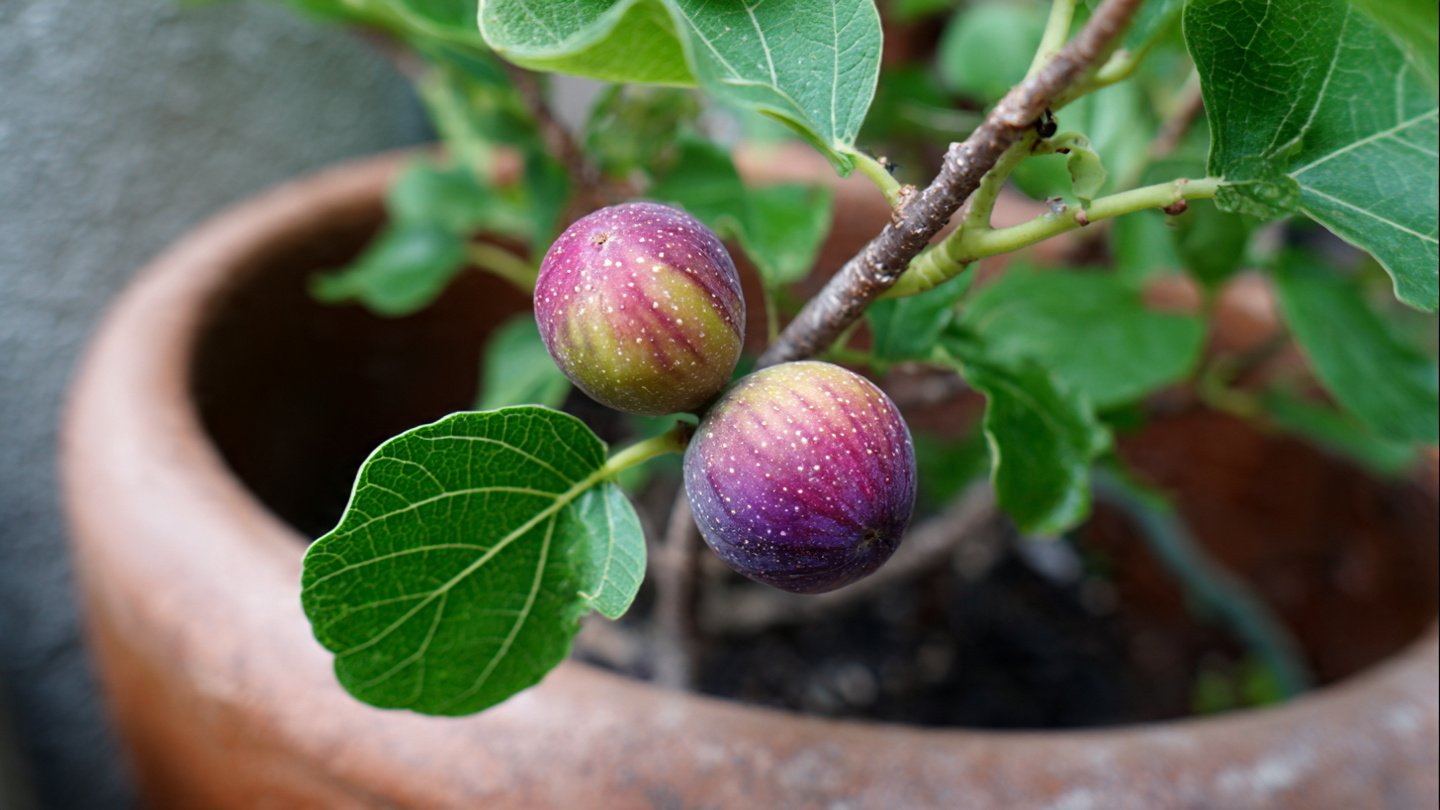

Growing figs in containers is an excellent way to enjoy fresh fruit, even if you don’t have a traditional garden space. Figs thrive in pots, which allows you to cultivate them on patios, balconies, or even indoors. Whether you’re in a temperate climate or a harsher environment, this guide will show you how to successfully grow figs in containers anywhere you live.
Choosing the Right Fig Variety
When growing figs in containers, the first step is to choose the right variety. Some fig varieties are better suited for container growth than others. Here are a few options:
- Brown Turkey: Known for its sweet and succulent fruit, this variety is hardy and adaptable.
- Celeste: This small, sweet fig is perfect for pots due to its compact size.
- Chicago Hardy: Ideal for colder climates, this variety can withstand freezing temperatures.
Select a variety that suits your climate and taste preferences. Additionally, dwarf fig trees are excellent choices for container gardening because they require less space and are easier to manage.
Container Selection
Choosing the right container is crucial for the success of your fig tree. Here are several aspects to consider:
- Size: A 5 to 15-gallon container is ideal for most fig varieties. The more space the tree has, the better it will grow.
- Material: Use containers made of materials that insulate well, such as ceramic, fiberglass, or wood. Avoid thin plastic pots that could cause root damage due to temperature fluctuations.
- Drainage: Ensure your container has drainage holes to prevent water from accumulating at the bottom, which can lead to root rot.
Soil Requirements
Figs prefer well-draining, fertile soil. A good potting mix should be rich in organic matter. You can create your own mix using the following components:
- Potting Soil: Use a high-quality potting soil as the base.
- Perlite: Add perlite to improve aeration and drainage.
- Compost: Incorporate compost for nutrients.
A ratio of 60% potting soil, 30% perlite, and 10% compost works well. This mixture will provide plenty of nutrients while ensuring proper drainage.
Planting Your Fig Tree
Once you have your container and soil ready, it’s time to plant your fig tree. Follow these steps:
- Fill the container with your soil mix, leaving about an inch of space from the rim.
- Carefully remove the fig plant from its nursery pot, being cautious not to damage the roots.
- Place the fig in the center of your container and fill in any gaps with more soil mix.
- Water the tree thoroughly until water drains from the bottom. This helps settle the soil around the roots.
Light Requirements
Figs love sunlight, and providing adequate light is essential for their growth. Here’s what you need to ensure:
- Full Sun: Position your fig container in a spot that gets at least 6 to 8 hours of direct sunlight daily.
- Rotate the Container: Rotating your container every few weeks helps promote even growth.
- Indoor Growing: If you’re growing figs indoors, place them near a south-facing window where they can receive maximum light.
Watering and Fertilizing
Watering is crucial for container-grown fig trees, but overwatering can be detrimental. Here’s how to manage it:
- Check Moisture Levels: Stick your finger into the soil about an inch deep. If it feels dry, it’s time to water.
- Deep Watering: Water deeply until it drains from the bottom of the pot, ensuring the roots are well-hydrated.
- Winter Watering: Reduce watering in the winter months as the plant enters a dormant phase.
For fertilizing, use a balanced fertilizer during the growing season. A slow-release fertilizer or organic options like fish emulsion or compost tea works well. Fertilize every 4 to 6 weeks for optimal growth.
Pest and Disease Management
Figs are relatively disease-resistant, but they can still fall victim to pests. Here are some common issues:
- Fig Beetles: These can be problematic, so keep an eye out and remove them by hand if necessary.
- Spider Mites: If you notice yellowing leaves, apply neem oil or insecticidal soap.
- Root Rot: Ensure that your fig is not overwatered and that the potting mix drains well to prevent root rot.
Regular checks and maintaining good growing conditions will help keep your fig healthy and pest-free.
Overwintering Your Fig Tree
If you live in a colder climate, protecting your fig tree during the winter is essential. Here are some tips:
- Move Indoors: If possible, move the container indoors near a window that gets sunlight.
- Mulching: If the tree must stay outside, add mulch around the base and wrap the container in insulation materials to prevent freezing.
- Reduce Watering: As the tree enters dormancy, cut back on watering and stop fertilizing.
Conclusion
Growing figs in containers is a rewarding endeavor that allows you to enjoy fresh fruit, regardless of your living situation. By selecting the right variety, container, and care methods, you can successfully cultivate healthy fig trees that thrive in limited spaces. Whether you’re savoring the sweet taste of homegrown figs or sharing them with friends and family, container gardening provides a unique opportunity to engage with nature and harvest delicious results.
FAQs
1. How often should I water my fig tree?
Generally, check the soil moisture regularly and water deeply when it feels dry about an inch down. This usually means watering once or twice a week, depending on weather conditions.
2. Can I grow figs indoors year-round?
Yes, figs can be grown indoors as long as they receive adequate sunlight (at least 6-8 hours a day) and are in a suitable-sized container.
3. What pests should I look out for when growing figs?
Common pests include fig beetles and spider mites. Regular checks and maintaining plant health can help manage these issues.
4. Do I need to prune my fig tree?
Yes, pruning is beneficial to maintain shape and remove any dead or unhealthy branches. Ideally, prune in late winter or early spring before new growth begins.
5. What is the best time to harvest figs?
Figs are usually ready to harvest in late summer to early fall. They should be fully ripened for the best flavor, which you can gauge by their softness and color.