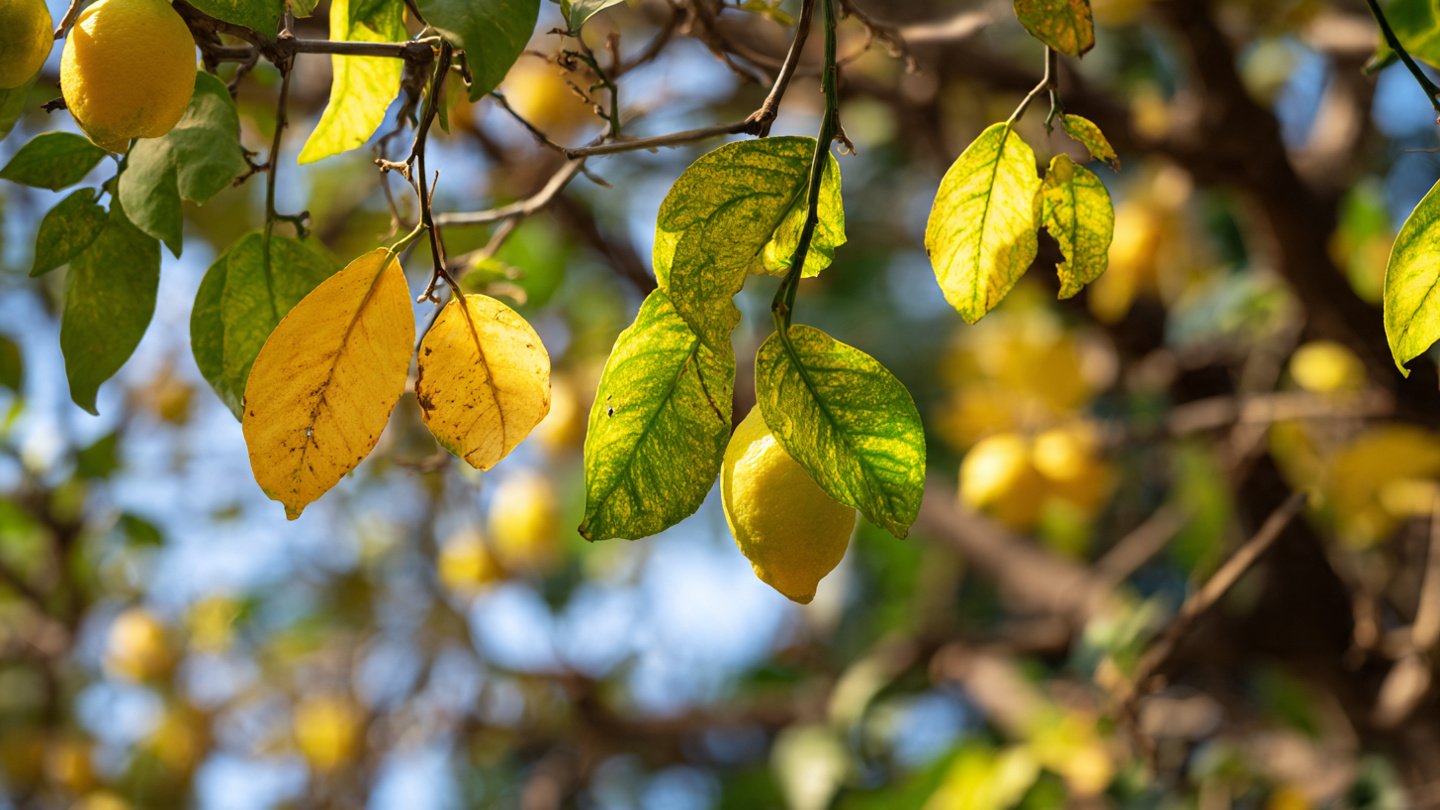

Lemon trees are beloved for their vibrant fruit and aromatic foliage. However, one common issue that many lemon tree owners face is the unfortunate sight of yellowing leaves. While a few yellow leaves can be perfectly normal, especially during seasonal changes, a significant number can indicate underlying problems. In this article, we will explore the various factors that can lead to the yellowing of lemon tree leaves and how to address them effectively.
1. Nutrient Deficiencies
Lemon trees require a balanced diet of nutrients to thrive. A deficiency in essential nutrients can lead to yellowing leaves. The most common deficiencies include:
- Nitrogen: Essential for leaf growth. A lack of nitrogen will result in the older leaves turning yellow while the new growth stays green.
- Iron: Iron deficiency often leads to interveinal chlorosis, where the veins of the leaves remain green while the spaces between them turn yellow.
- Magnesium: A magnesium deficiency can cause yellowing starting at the edges of the leaves and may cause a mottled appearance.
Solution: Conduct a soil test to determine nutrient levels and adjust your fertilizer regime accordingly. Use a balanced fertilizer specifically formulated for citrus trees, ensuring it contains sufficient nitrogen, iron, and magnesium.
2. Watering Issues
Watering habits play a critical role in the health of lemon trees. Both overwatering and underwatering can lead to yellow leaves.
- Overwatering: Too much water can suffocate the roots, leading to root rot. This condition can prevent the tree from absorbing nutrients, causing yellow leaves.
- Underwatering: On the other hand, insufficient water can lead to stress and nutrient uptake issues, also resulting in yellowing leaves.
Solution: Ensure a well-draining soil and water the tree only when the top layer of soil feels dry. Typically, lemon trees thrive on deep watering every 1-2 weeks, depending on the climate and season.
3. Pests and Diseases
Various pests can infest lemon trees, leading to yellow leaves. Some common culprits include:
- Aphids: These sap-sucking insects can impact leaf health significantly.
- Spider Mites: These tiny pests often cause stippling, leading to yellowing leaves.
- Scale: Scale insects attach themselves to the leaves and stems, causing chlorosis.
Diseases like root rot and citrus greening can also cause yellow foliage, often accompanied by other symptoms such as wilting or fruit drop.
Solution: Regularly inspect your tree for pests and treat them with appropriate insecticides or organic solutions. If fungal diseases are suspected, use a suitable fungicide or consult a gardening expert.
4. Environmental Stress
Lemon trees are sensitive to changes in their environment. Factors such as temperature fluctuations, high winds, or pollution can lead to stress, resulting in yellow leaves.
- Temperature Extremes: Lemon trees thrive in warm climates. Extreme cold can shock the plant, leading to leaf yellowing.
- Wind Damage: Strong winds can physically damage the leaves, causing them to yellow.
- Pollution: Exposure to pollutants can hinder photosynthesis, leading to yellowing leaves.
Solution: Protect lemon trees from extreme weather conditions by providing windbreaks or moving potted trees indoors during cold snaps. Consider planting in a more sheltered location if planting outdoors.
5. Soil pH Levels
The pH level of the soil can substantially affect nutrient availability. Lemon trees prefer slightly acidic soil, with a pH range of 5.5 to 6.5. If the soil is too alkaline, it can cause nutrient lockout, leading to yellow leaves.
Solution: Test your soil’s pH and amend it as necessary. Sulfur or organic mulches can help lower pH levels, while lime can be used to raise them if the soil is too acidic.
6. Sunlight Exposure
Lemon trees require full sunlight for optimal growth. Lack of adequate light can lead to poor nutrient absorption and yellowing leaves.
Solution: Ensure your lemon tree receives at least 6-8 hours of direct sunlight daily. If indoors, consider using grow lights during the shorter days of winter.
Conclusion
Yellowing leaves on a lemon tree can be a distressing sight for any gardener. However, understanding the root causes can transform problems into solutions. Nutrient deficiencies, watering habits, pest infestations, environmental stress, soil pH, and inadequate sunlight are the primary culprits behind this common issue. By regularly monitoring your tree’s health and making proactive adjustments, you can ensure a thriving, vibrant lemon tree that continues to produce delicious fruit for years to come.
FAQs
What should I do if my lemon tree leaves are turning yellow?
Evaluate the factors mentioned in this article, such as nutrient levels, watering practices, and pest infestations. Adjust your care routine accordingly and consider a soil test.
How can I tell if my watering is correct?
Stick your finger in the soil about an inch deep; if it feels dry, it’s time to water. Avoid letting the tree sit in waterlogged soil.
Can I use household fertilizers for my lemon tree?
While some household fertilizers may work, it’s best to use fertilizers specifically formulated for citrus plants as they contain the right balance of nutrients.
Is it normal for lemon tree leaves to yellow in the fall?
Yes, a few leaves turning yellow in the fall can be normal as the tree prepares for dormancy. However, widespread yellowing should be investigated.
How can I improve the overall health of my lemon tree?
Regular care practices such as proper watering, fertilizing, pruning, and pest control, along with optimal sunlight exposure, will help maintain your tree’s health.