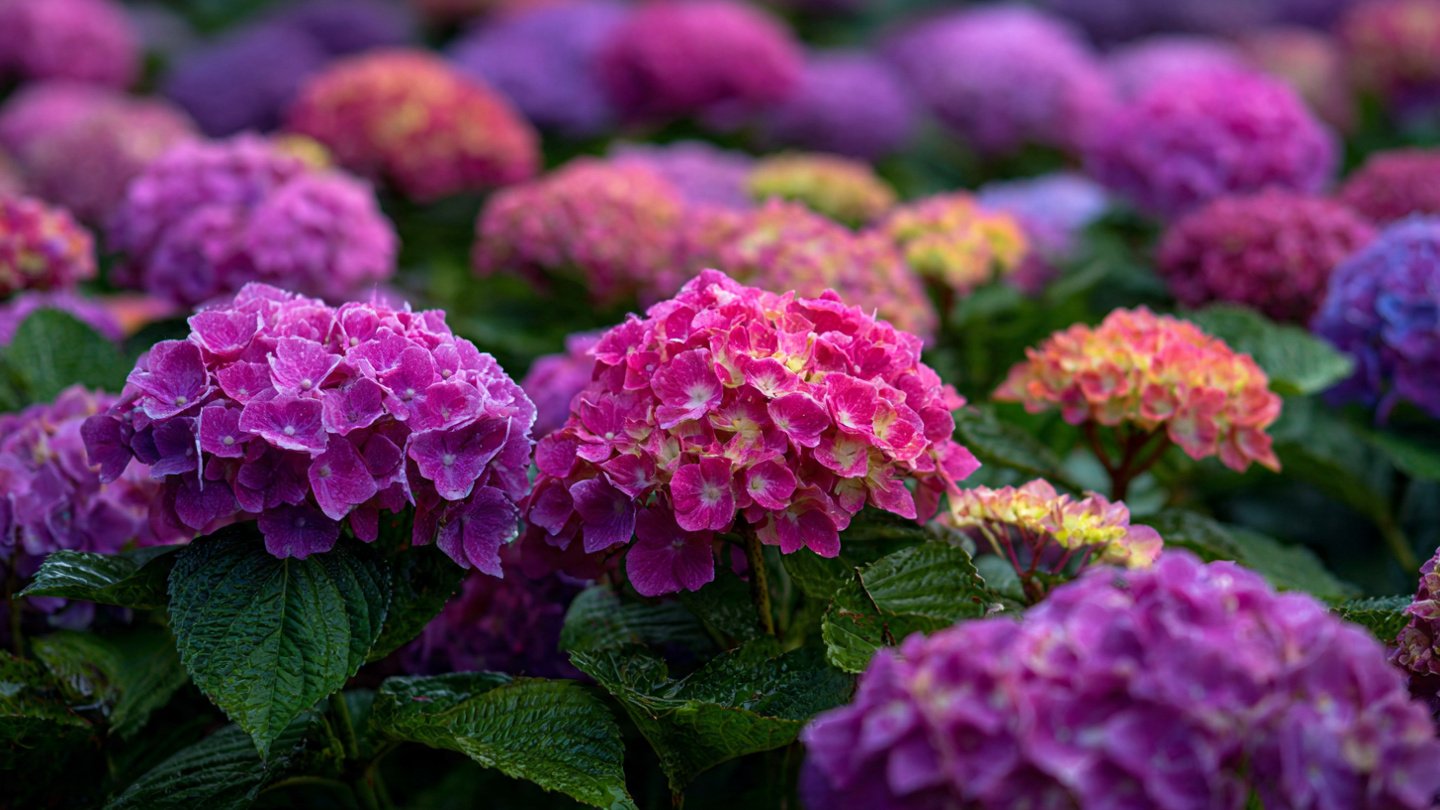

Hydrangeas are beloved for their lush blooms and vibrant colors, but many gardeners find themselves baffled when their hydrangeas start to shrink in size or fail to thrive. If your hydrangeas are growing smaller each year, it’s essential to investigate the underlying issues and take appropriate steps to revive these spectacular plants. This article delves into the factors that may cause your hydrangeas to diminish over time and offers actionable solutions to restore their health and beauty.
Understanding Hydrangea Growth Patterns
Hydrangeas, particularly the popular varieties such as Hydrangea macrophylla (bigleaf hydrangeas) and Hydrangea paniculata (panicle hydrangeas), exhibit unique growth patterns. Typically, these shrubs bloom on old wood, new wood, or a combination of both, depending on the species. Therefore, understanding their growth cycle is vital for maintaining their health.
As hydrangeas grow, they establish a framework of branches that support blooms. However, several factors can lead to an overall reduction in size and flowering capacity.
Common Reasons for Shrinking Hydrangeas
1. Insufficient Sunlight
Hydrangeas require adequate sunlight to flourish. Depending on the variety, they typically thrive in partial shade to full sun. If they’re not receiving enough light, they may produce fewer flowers and exhibit stunted growth. Check if surrounding trees or structures are casting shade on your plants and consider relocating or pruning nearby plants to improve sunlight exposure.
2. Poor Soil Conditions
The quality of the soil is crucial for hydrangea health. Compacted soil, poor drainage, or lack of nutrients can hinder growth substantially. Conduct a soil test to assess pH and nutrient levels. Ideally, hydrangeas prefer slightly acidic to neutral soil (pH 5.5 to 7.0). Amending your soil with organic matter or specialized fertilizers can significantly enhance growth.
3. Overwatering or Underwatering
Hydrangeas are thirsty plants and require consistent moisture, but overwatering can lead to root rot. Conversely, underwatering can stress the plant, causing it to shrink. A balance is critical; ensure the soil is consistently moist but not soggy. The top inch of soil should be dry before watering again.
4. Lack of Pruning
Pruning hydrangeas correctly is essential for vigorous growth. Many gardeners underestimate the importance of regular pruning. If you neglect to prune, your hydrangeas may become overcrowded, leading to reduced airflow, increased disease susceptibility, and a lack of blooms. Research the appropriate time to prune based on the variety, focusing on old wood or new wood basis.
5. Pest Infestations
Pests can significantly impact hydrangea health. Aphids, spider mites, and scale can sap the vitality of your plants. Regularly inspect your hydrangeas for signs of pests, such as webbing or discolored leaves. Address infestations promptly with insecticidal soap or neem oil to minimize damage.
6. Disease Issues
Hydrangeas can fall victim to diseases such as powdery mildew, root rot, and leaf spot. Symptoms may manifest as wilting, discoloration, or unusual spots on leaves. Keeping the foliage dry and ensuring proper air circulation can reduce the risk of disease. If necessary, treat your plants with appropriate fungicides.
7. Environmental Factors
Environmental stresses, such as drought, sudden temperature fluctuations, or frost, can negatively impact hydrangeas. Protect them during extreme weather by providing shade or covering them on particularly cold nights. Consider using mulch around the base to retain moisture and regulate soil temperature.
8. Nutrient Deficiencies
Hydrangeas require specific nutrients to thrive, especially nitrogen, phosphorus, and potassium. A deficiency in any of these can lead to poor growth. Use a balanced, slow-release fertilizer in the spring to ensure your hydrangeas receive vital nutrients throughout the growing season. Be cautious not to over-fertilize, as this can also have adverse effects.
Reviving Shrinking Hydrangeas
If you notice your hydrangeas shrinking, there are several steps you can take to rejuvenate them:
1. Assess Sunlight and Location
Evaluate the sunlight your hydrangeas receive. If necessary, consider moving them to a sunnier or more suitable location, or trim back surrounding plants that create unwanted shade.
2. Improve Soil Quality
Incorporating organic matter, such as compost or well-rotted manure, can greatly enhance soil structure and fertility. Additionally, consider adding mulch to retain moisture and improve soil texture.
3. Establish a Watering Routine
Devise a consistent watering schedule, ensuring your plants receive the moisture they need. Early morning watering can help prevent fungal diseases.
4. Prune Regularly
Engage in seasonal pruning to manage growth and encourage healthy blooms. Remove any dead or diseased wood, and trim back excess foliage to improve air circulation.
5. Monitor for Pests and Diseases
Keep a vigilant eye for any signs of pests or diseases. Implement a regular inspection routine and take action at the first signs of trouble. Using natural pest repellents can also be helpful.
Conclusion
Hydrangeas are a stunning addition to any garden, but their shrinking can be a cause for concern. Identifying the root causes—from insufficient sunlight to pest problems—is critical for effective intervention. By taking proactive steps to assess and improve your hydrangeas’ care routine, you can restore their health and enjoy their remarkable beauty year after year. With proper attention and care, your hydrangeas can flourish and continue to enhance your garden landscape.
FAQs
1. How often should I water my hydrangeas?
Water hydrangeas deeply once or twice a week, ensuring the soil remains consistently moist but not waterlogged.
2. Is it necessary to prune hydrangeas every year?
Yes, regular pruning is important to encourage growth and flowering. However, the timing and method will depend on the specific type of hydrangea.
3. What can I do about pests on my hydrangeas?
Inspect your plants regularly for pests and treat infestations with insecticidal soap or neem oil as needed.
4. Why is my hydrangea not blooming?
Causes could include inadequate sunlight, insufficient water, or inappropriate pruning methods. Check these factors to encourage blooms.
5. How can I improve the color of my hydrangeas?
The color of hydrangeas, especially macrophylla, can be influenced by soil pH. Acidic soils can produce blue flowers, while alkaline soils tend to yield pink flowers.