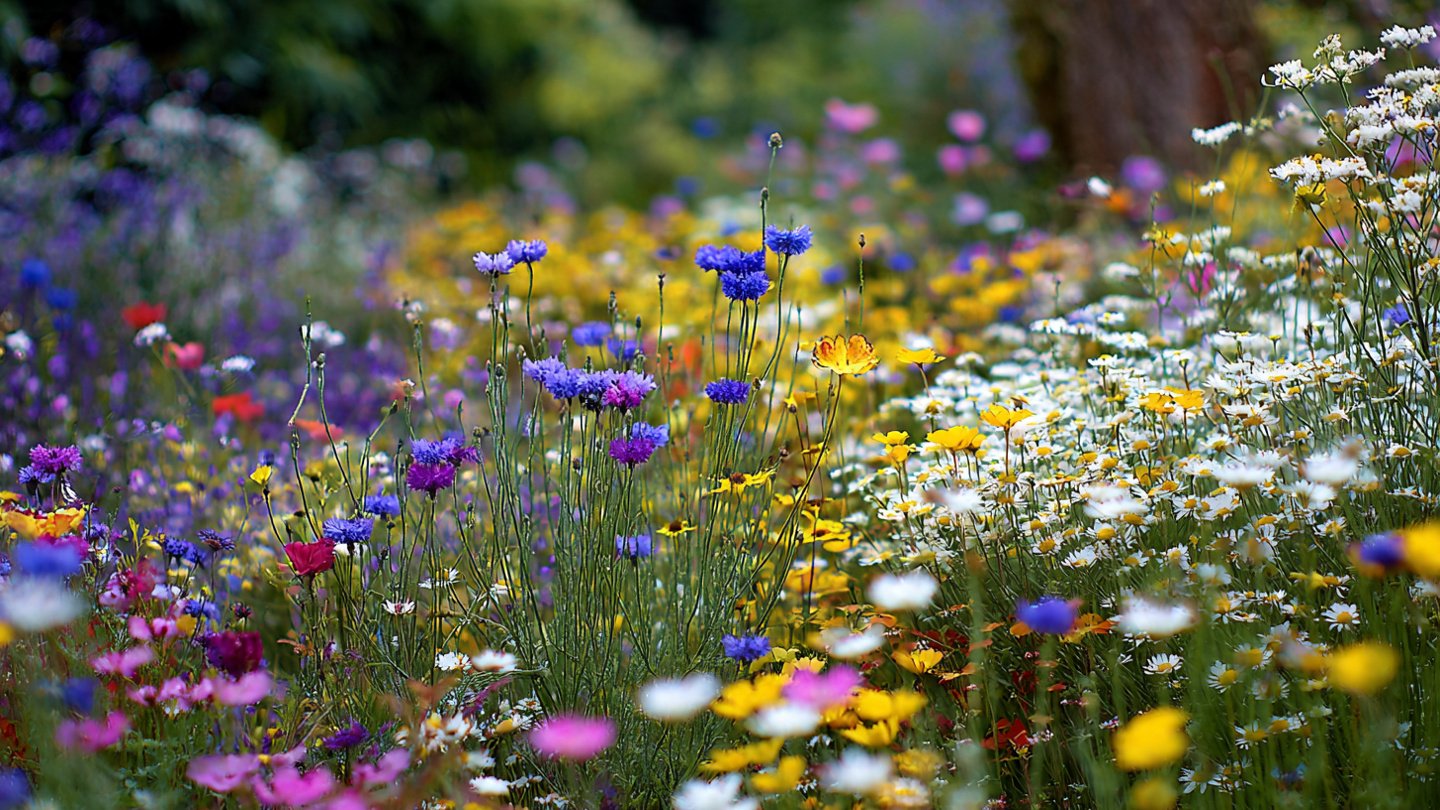

When thinking about landscaping options for your garden, the decision between planting traditional grass and a diverse array of wildflowers often arises. While lush green lawns are traditionally favored in many places, wildflowers offer unique advantages that make them a compelling alternative. This article explores the various benefits of planting wildflowers over grass, taking into consideration environmental impact, maintenance, biodiversity, aesthetics, and cost.
The Environmental Impact
One of the key considerations in choosing between grass and wildflowers is their respective environmental impacts. Grass lawns generally require a significant amount of water, fertilizers, and pesticides, which can contribute to nutrient runoff and water pollution. In contrast, wildflowers are often more drought-resistant and thrive in poorer soils, reducing the need for chemical fertilizers and extensive irrigation.
Wildflower gardens can also support local ecosystems. They provide essential habitats and food sources for various pollinators, such as bees, butterflies, and hummingbirds. This support for pollinators is crucial for biodiversity and can make your garden a central part of the local ecosystem.
Maintenance Requirements
Another significant difference between grass lawns and wildflower gardens lies in their maintenance needs. Grass requires regular mowing, watering, aerating, and fertilizing to ensure a healthy appearance. This maintenance can be time-consuming and can add to your utility costs.
Wildflower gardens, on the other hand, typically require less frequent upkeep once they are established. Most native wildflowers need little more than initial watering during their first growing season and occasional weeding thereafter. Once established, they can largely thrive on rainfall and natural nutrients from the soil, making them an excellent low-maintenance option.
Biodiversity and Ecosystem Support
Planting wildflowers promotes biodiversity in your garden. A diverse plant community encourages a variety of insects, birds, and other wildlife. This diversity can strengthen your local ecosystem, making it more resilient to diseases, pests, and changes in climate. Grass yards tend to support fewer species due to their uniform nature, often leading to a monoculture that does little to promote biodiversity.
Moreover, wildflowers can be designed to bloom at various times throughout the growing season, providing continuous support for pollinators and other wildlife. This dynamic ecosystem can be particularly rewarding for gardeners who enjoy observing nature and wildlife.
Aesthetics and Personal Preference
Aesthetically, wildflower gardens can be stunning, offering vibrant colors and diverse textures that change with the seasons. The natural beauty found in a wildflower patch can inspire a sense of wonder and connection to nature. Additionally, many people find the rustic, untamed look of wildflowers intriguing and beautiful.
On the other hand, some may prefer the uniformity of a traditional grass lawn, especially in more formal garden layouts. Grass provides a classic, polished appearance that can be more suitable for certain landscapes or personal preferences. Ultimately, the choice may come down to one’s aesthetic vision and how they wish to interact with nature in their garden.
Cost Considerations
When contemplating the costs associated with grass versus wildflowers, several factors come into play. The initial setup of grass typically involves purchasing sod or seeds, soil amendments, and possibly professional installation. Additionally, ongoing costs for mowing, watering, fertilization, and pest control can accumulate over time.
In contrast, wildflowers are often more cost-effective in the long run. While the initial establishment may require seeds, they tend to flourish and spread naturally over time, leading to less ongoing expense. Furthermore, many wildflower species are native to particular regions, meaning they may not require extensive care beyond initial planting.
Conclusion
In summary, while traditional grass lawns have been the go-to choice for many gardeners, planting wildflowers presents a sustainable and aesthetically pleasing alternative. Wildflower gardens offer significant environmental benefits, require less maintenance, and support biodiversity. They can be a cost-effective solution in the long run, allowing gardeners to enjoy the beauty of their landscapes while contributing positively to the ecosystem.
Ultimately, the choice between grass and wildflowers depends on individual preferences, gardening goals, and environmental considerations. Those who seek to create a dynamic, low-maintenance, and eco-friendly garden may find that wildflowers are the superior choice for their outdoor spaces.
FAQs
1. Are wildflowers difficult to grow?
Wildflowers are generally easy to grow, especially native species that are adapted to the local environment. After establishment, they require minimal care, making them a low-maintenance option.
2. How long do wildflower gardens last?
Wildflower gardens can last for many years. Once established, they often self-seed and can continue to bloom season after season, especially if cared for properly.
3. Can I mix grass and wildflowers in my garden?
Yes! Many gardeners choose to incorporate wildflowers into their grass lawns by allowing certain areas to go unobstructed or by planting wildflower seeds among the grass to create a mixed landscape.
4. What are the best wildflowers to plant in my area?
The best wildflowers to plant depend on your specific region and climate. Consulting local gardening resources or native plant societies can help you choose species best suited for your environment.
5. How can I attract pollinators to my wildflower garden?
To attract pollinators, choose a variety of wildflowers that bloom at different times and provide diverse colors, shapes, and scents. Avoid using pesticides, which can harm beneficial insects.