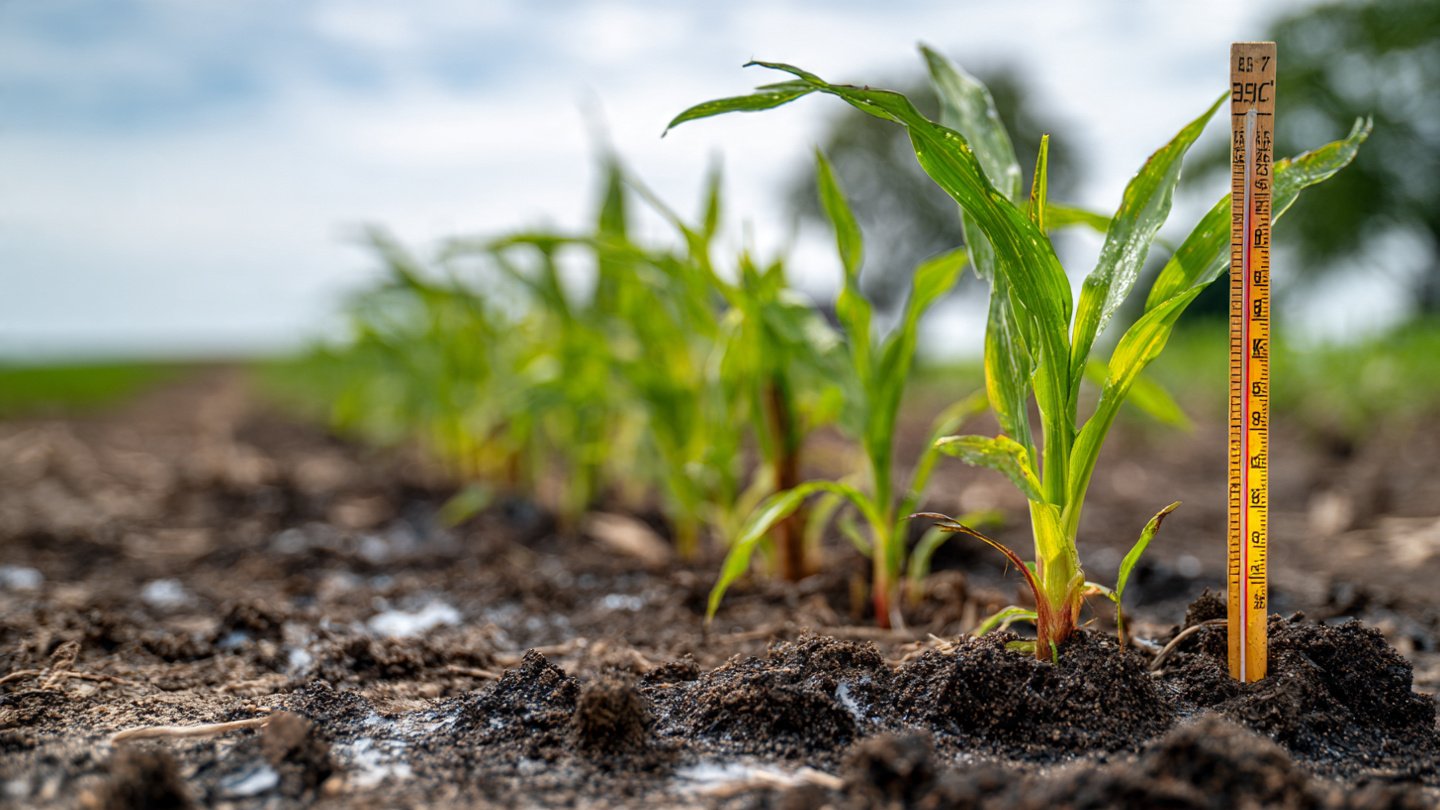

In the world of agriculture, timing is everything. For corn growers, understanding the optimal soil temperature can significantly impact both yield and quality. A soil thermometer is an essential tool that can assist farmers in making informed decisions about when to plant their corn. By measuring soil temperature accurately, growers can optimize their planting schedules, ensure seed viability, and ultimately increase their chances of a successful harvest.
Understanding Soil Temperature
Soil temperature affects seed germination, root development, and nutrient uptake. Corn is particularly sensitive to temperature, with ideal soil temperatures for planting typically between 50°F and 86°F (10°C to 30°C). If the soil is too cold, seeds may not germinate or may rot, while excessively high temperatures can stress the plants and hinder growth.
Using a soil thermometer allows farmers to monitor the temperature at various soil depths, giving them a comprehensive understanding of the conditions their seeds will face. This is crucial because the temperature can vary significantly between the surface and deeper layers of soil.
Why Use a Soil Thermometer?
1. Precision in Planting: By obtaining accurate soil temperature readings, farmers can determine the optimal time to plant their corn crop. Planting too early in cold soil can delay germination and prolong the growing season. Conversely, waiting too long can expose crops to adverse conditions later in the season.
2. Improved Seed Selection: Different varieties of corn are suited to different temperature ranges. Knowing the soil temperature helps farmers select the right seeds for their specific climates and conditions, maximizing the chances of a successful harvest.
3. Enhanced Weed Control: Weeds often emerge at different temperatures than corn. By using a soil thermometer, growers can time their planting to stay ahead of weed growth, making it easier to manage competing plants.
4. Soil Health Indicators: Soil temperature can also indicate the microbial activity in the soil. Warmer temperatures generally mean more active microbes, which can positively affect soil health. Monitoring temperature fluctuations can provide valuable insights into overall soil conditions.
How to Use a Soil Thermometer
Using a soil thermometer is straightforward, but following proper procedures ensures accurate readings:
- Choose the Right Location: Take readings in multiple locations across the field to account for variations in soil temperature. Avoid areas with obvious shade or standing water.
- Insert the Thermometer: Push the thermometer into the soil at the recommended depth for corn planting, typically around 2-4 inches. Be sure to avoid contact with rocks or other objects that may disrupt the reading.
- Wait for a Stable Reading: Allow a few minutes for the thermometer to give you an accurate reading. Check the temperature closely to gauge whether it is within the ideal range for planting.
- Record Your Results: Keep a log of soil temperatures over a few days to identify trends. This information can be invaluable for future planting decisions.
When to Plant Corn Based on Soil Temperature
While calendar dates often guide planting schedules, they can lead to premature planting if soil temperatures are not adequate. Here’s a general guide based on soil temperature:
- 50°F – 60°F (10°C – 15.5°C): This is typically considered the lower threshold for planting corn. Seed germination may be slower, and you may want to wait until the soil reaches at least 55°F to plant.
- 60°F – 70°F (15.5°C – 21°C): Ideal temperatures for corn planting. Seeds germinate more reliably and quickly during this range.
- Above 70°F (21°C): While warm soil can promote quick germination, excessive heat may stress young plants. Follow the specific varieties’ recommendations to avoid heat stress.
The Role of Soil Thermometers in Crop Management
In addition to aiding in planting decisions, soil thermometers can help in ongoing crop management practices. For instance, understanding soil temperature can guide irrigation practices. Warmer soils may dry out more quickly, requiring adjustments in watering schedules. Moreover, monitoring temperatures can facilitate timely interventions against pests and diseases that thrive in specific temperature ranges.
Case Studies: Success Stories
Growers from various regions have reported improved yields and crop quality attributed to the precise use of soil thermometers. For example, a farmer in Indiana noted that by shifting his corn planting schedule based on soil temperature readings, he increased his yield by over 15% year-over-year. Another farmer in Nebraska found that accurate readings helped them select seed varieties best adapted to their local climate, leading to a phenomeonal reduction in inputs while maximizing harvests.
Challenges and Limitations
Despite all its benefits, there are challenges associated with the use of soil thermometers. Variability in soil composition, moisture levels, and microclimates can affect temperature readings. It’s crucial for farmers to supplement soil temperature data with observations of weather patterns and other agronomic factors.
Additionally, while the monetary investment in high-quality thermometers is minimal compared to the potential for increased yield, some farmers may be hesitant to adopt this technology. Education and outreach about the direct link between soil temperature monitoring and crop success can help mitigate this hesitancy.
Conclusion
In conclusion, a soil thermometer can be a game-changer in the quest for corn planting success. As agriculture continues to evolve with technology, the ability to monitor and respond to soil conditions will be increasingly paramount. By investing in a soil thermometer, corn growers can enhance their understanding of optimal planting times, improve seed selection, manage weeds more effectively, and boost overall crop yield. In an industry where every decision counts, embracing the advantages offered by soil temperature monitoring can transform the harvesting experience and lead to greater productivity and profitability.
FAQs
1. What is the ideal soil temperature for planting corn?
The ideal soil temperature for planting corn is between 50°F and 86°F (10°C to 30°C), with 60°F to 70°F being the most favorable range for germination.
2. How deep should I measure soil temperature?
For corn planting, measure soil temperature at a depth of 2-4 inches, which is where the seeds will be sown.
3. Can I use a regular thermometer to measure soil temperature?
While you can use a regular thermometer, a soil thermometer is specifically designed for this purpose and will give more accurate readings in the soil environment.
4. How often should I check soil temperature?
Check soil temperature regularly, especially in the weeks leading up to planting. Monitoring trends over several days can provide the best insights.
5. Can soil temperature impact my crop yield?
Yes, soil temperature plays a crucial role in seed germination, root development, and nutrient uptake, all of which significantly affect crop yield.