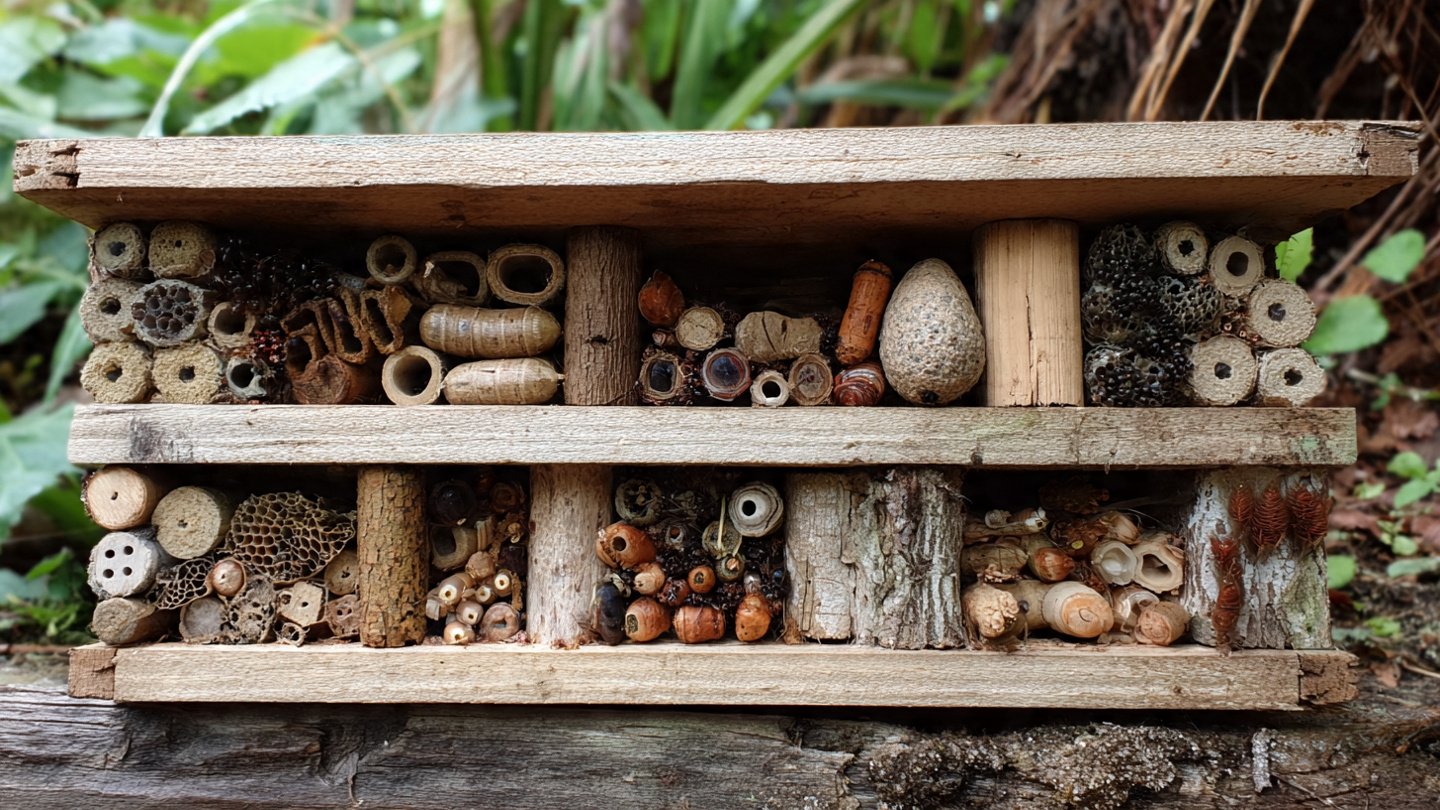

Creating a thriving garden during the sweltering summer months can be a challenge, especially when dealing with high temperatures that can stress plants and reduce overall productivity. One innovative solution is the installation of a bug hotel, a compact habitat designed to attract beneficial insects. These specialized structures not only promote biodiversity but also enhance the resilience of your garden against the summer heat.
A bug hotel serves multiple functions, working as a sanctuary for essential pollinators and predatory insects while providing critical shelter and nesting opportunities. Understanding how a bug hotel can benefit your garden involves exploring its ecological role, the insects it attracts, and practical tips for implementation.
Bug hotels come in various designs—some are simple wooden boxes with an eclectic mix of materials inside, while others are more elaborate structures with multiple compartments. The primary goal is to mimic the natural habitats that various insects rely on for survival. Inside a bug hotel, you may find hollow stems, pine cones, wood, straw, and other natural materials that attract different insects. By creating a welcoming environment, gardeners can encourage a diverse range of beneficial species to take up residence.
One of the significant benefits of a bug hotel is its ability to attract pollinators, such as bees, butterflies, and other insects. Pollinators play a critical role in increasing the yield of flowering plants, fruits, and vegetables by facilitating the transfer of pollen. During summer, when many blooms are abundant, these insects are essential for achieving optimal growth. A bug hotel provides a nesting ground and shelter for solitary bees like mason bees and leafcutter bees, both of which are essential for pollination. In fact, studies have shown that an increase in native bee populations can significantly enhance the fruit set in crops, ultimately leading to a more productive garden.
Furthermore, a bug hotel can help maintain a healthy population of predatory insects, such as ladybugs and lacewings, which are natural pest control agents. These insects feed on aphids, whiteflies, and other harmful pests that can wreak havoc on your garden, especially during hot months when pests tend to multiply rapidly. With a bug hotel in place, gardeners can attract these beneficial predators, creating a natural balance in their ecosystem. By reducing the reliance on chemical pesticides, you not only safeguard beneficial insects but also promote a healthier garden environment that can thrive despite the oppressive summer heat.
Another advantage of a bug hotel is its role in improving soil health. Certain species of beetles and other insects contribute to the decomposition of organic matter, enriching the soil with nutrients essential for plant growth. This process is crucial during the dry summer months when soil can become compacted and nutrient-deficient. Bugs that inhabit a hotel can aerate the soil and aid in maintaining moisture levels, helping plants to withstand high temperatures and drought conditions.
A well-constructed bug hotel also serves as a refuge for insects during extreme weather events, which can be inevitable during the summer months. When the sun is beating down and temperatures rise, pollinators and other beneficial insects need protective spaces to escape from the heat. The various compartments in a bug hotel provide diverse microhabitats that can serve as cool retreats, increasing the chances of survival for these important species. This adaptability ultimately contributes to a more robust ecosystem in your garden.
To maximize the benefits of a bug hotel, it is crucial to consider its placement and design. Ideally, a bug hotel should be placed in a sunny location with some shelter from strong winds. South-facing positions are particularly effective, allowing insects to warm up during cooler mornings. The structure should be placed at least three feet off the ground to avoid moisture issues with the soil and to keep it away from ground-dwelling pests.
When it comes to design, gardening enthusiasts should think about the variety of materials to include in their bug hotel to attract a diverse range of insects. For instance, hollow stems or bamboo can attract solitary bees, while small wooden blocks with drilled holes can serve as nesting sites for various bee species. Incorporating pine cones, straw, or shredded bark into the structure can create habitats for beetles and other insects. The more varied the materials, the more species it will attract, enhancing the ecological benefits for your garden.
In addition to providing habitats, gardeners can enhance the appeal of their bug hotels by cultivating nearby plants that attract beneficial insects. Flowers that bloom throughout the summer, such as echinacea, lavender, and sunflowers, can provide additional food sources for pollinators. Creating a pollinator-friendly garden with a diverse array of flowering plants not only enhances the aesthetic appeal but also establishes a sustainable ecosystem that can better withstand the challenges of summer heat.
Sustainability is another critical aspect of maintaining a bug hotel. Avoid using pressure-treated lumber, chemicals, or synthetic materials in your construction, as they could harm the inhabitants. Instead, opt for natural materials and untreated wood. Regular maintenance is also essential. Check the bug hotel at least once a year and replace any damaged or rotting materials. This maintenance ensures a clean and healthy environment for your beneficial insects to thrive.
Educating yourself and your community about the importance of bug hotels can also maximize their impact. Many local gardening clubs and communities offer workshops on creating bug hotels and promoting biodiversity. Collaborating with neighbors can enhance the benefits, creating a network of bug hotels that fosters a more resilient local ecosystem.
When implemented thoughtfully, a bug hotel can significantly improve the health and productivity of your garden during the challenging summer months. By attracting pollinators and providing habitats for predatory insects, you establish a natural balance that enhances your garden’s resilience and reduces the need for chemical interventions. The diverse benefits extend beyond mere aesthetics, reinforcing the essential role that each insect plays in maintaining ecological harmony.
As the global climate continues to change and summers become hotter, gardeners are increasingly called upon to adopt sustainable practices that encourage resilience. Bug hotels represent one of the simplest yet most effective ways to support biodiversity in your backyard.
In summary, the installation of a bug hotel in your garden offers numerous advantages that can help it thrive during the heat of summer. By fostering a habitat for pollinators and advantageous predators, you create a self-sustaining ecosystem that supports plant health and minimizes pest issues. These structures not only aid in attracting necessary species but also improve soil health, safeguard against harsh weather, and promote sustainability in gardening practices. With proper placement, a variety of materials, and ongoing community education, a bug hotel can be a strategic asset, ensuring that your garden flourishes even when temperatures soar.