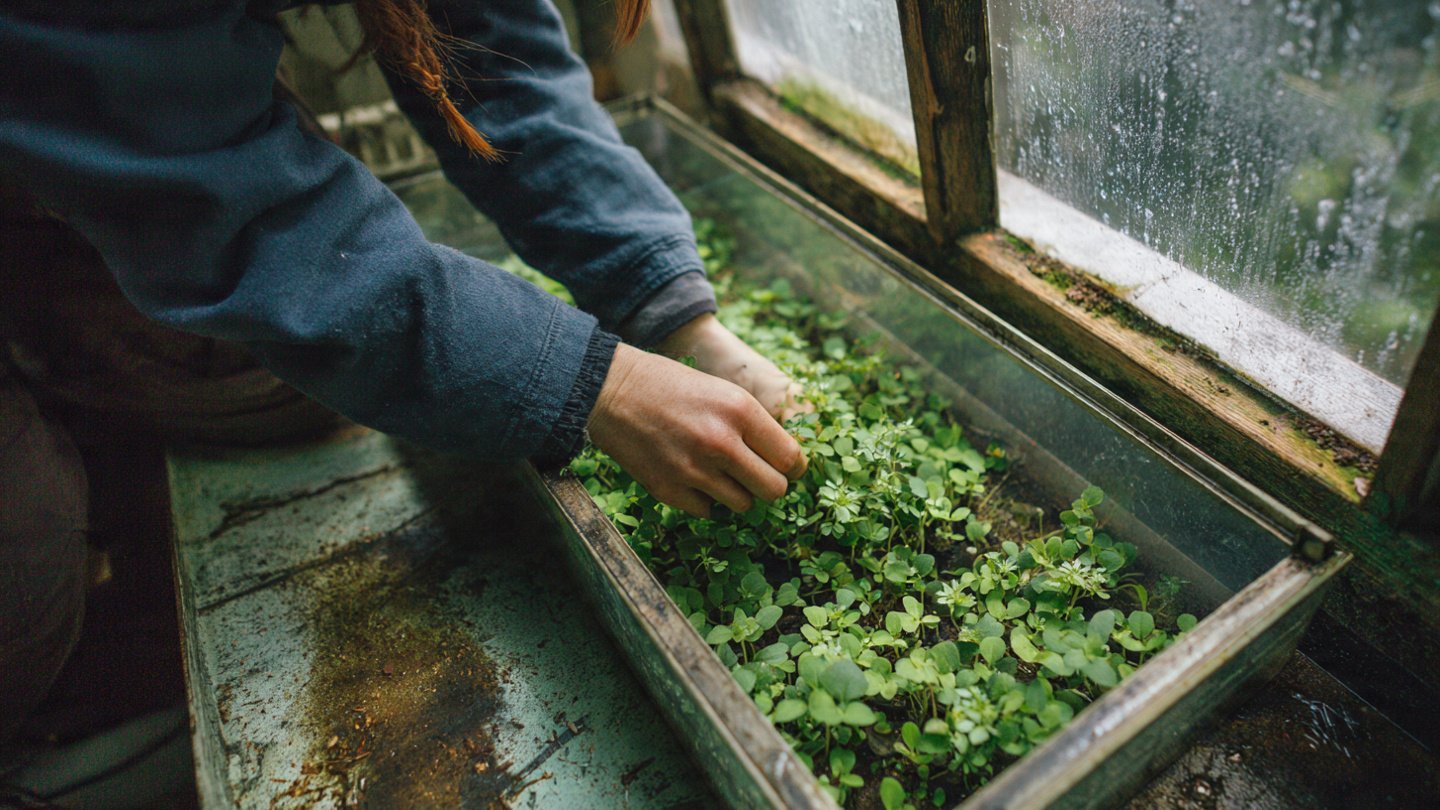

Watering plants may seem straightforward, but ensuring that your plants receive the right amount of moisture is crucial for their health and growth. Overwatering and underwatering can lead to a host of problems—from root rot to dehydration. One of the best ways to avoid these issues and maintain optimal soil moisture levels is through the use of a moisture meter. In this article, we will delve into what a moisture meter is, its benefits, how to use one, and ultimately, why you should use a moisture meter before every watering.
Understanding Moisture Meters
A moisture meter is a tool designed to measure the moisture content in the soil. Typically, it features a probe that is inserted into the soil, providing a reading that indicates how wet or dry the soil is at that depth. These devices can be digital or analog, but both types serve the same purpose: helping gardeners and plant enthusiasts understand how much water their plants need.
Types of Moisture Meters
-
Analog Meters: These often have a simple dial with a needle that points to a range of moisture levels. They are generally user-friendly and require no batteries.
-
Digital Meters: More advanced in features, these meters can provide more precise readings and may come with additional functionalities, like light and pH level readings.
-
Soil Moisture Sensors: These are often used for more extensive gardening setups, such as hydroponics or automated watering systems, providing real-time data.
Benefits of Using a Moisture Meter
The benefits of using a moisture meter are manifold, particularly for both novice and experienced gardeners:
1. Prevent Overwatering
One of the most significant yet common mistakes in gardening is overwatering. Many gardeners tend to water their plants on a schedule rather than based on their actual needs. Overwatering can drown the roots, leading to root rot and other diseases. A moisture meter helps take the guesswork out of watering, allowing you to check the soil moisture levels before providing additional water.
2. Combat Underwatering
Conversely, underwatering can cause stress to plants, wilting their leaves and stunting their growth. A moisture meter provides insight into when your plants need water, ensuring they receive adequate hydration, particularly during hot weather or in dry conditions.
3. Promote Healthy Root Systems
Healthy plants begin with healthy roots. The right moisture levels promote strong, expansive root systems that can support plant growth. Using a moisture meter allows you to maintain optimal moisture levels, which in turn encourages healthier roots.
4. Save Water and Resources
Water is a precious resource. By using a moisture meter to determine when your plants actually need watering, you can use water more efficiently. This not only helps the environment but can also reduce your utility bills.
5. Extend Plant Lifespan
Healthy plants have a longer lifespan. By ensuring they receive the right amount of water consistently, you enhance their chances of thriving, thus extending their life.
How to Use a Moisture Meter
Using a moisture meter is straightforward. Here’s how you can use one effectively:
-
Insert the Probe: Gently push the probe into the soil near the root zone of the plant. Make sure to insert it deep enough to obtain an accurate reading.
-
Read the Meter: Check the reading on the display or the dial. Most meters indicate moisture levels on a scale (usually ranging from dry to wet).
-
Adjust Your Watering Schedule: Based on the reading, decide whether your plants need watering. If the meter indicates that the soil is still moist, wait before watering again.
-
Consistency: Make it a habit to check your moisture meter before every watering. This consistent approach will help build a comprehensive understanding of your plants’ needs.
Best Practices for Using a Moisture Meter
To maximize the effectiveness of your moisture meter, consider the following best practices:
-
Calibration: Ensure that your moisture meter is calibrated correctly, following the manufacturer’s instructions.
-
Multiple Readings: For more accuracy, take readings from different areas around the plant to get a better understanding of the soil’s moisture levels.
-
Test at Varying Depths: The moisture level can vary at different soil depths. Test at various depths to understand the overall soil moisture profile.
-
Consider the Type of Plant: Different plants have varying moisture needs. Make sure to adjust your readings based on the specific requirements of each plant species.
-
Seasonal Adjustments: During different seasons, your plants’ water requirements might change. Be mindful of these variations and adjust accordingly.
Myths About Plant Watering
Understanding watering practices is vital, but many misconceptions can lead to confusion. Here are a few myths that a moisture meter can help debunk:
-
Plants only need water on a schedule: Many gardeners believe that watering on a strict schedule ensures healthy plants. In reality, factors like temperature, humidity, and the type of soil can affect how often plants need water.
-
All plants need the same amount of water: Plant species have diverse water requirements. A moisture meter can help cater to individual plant needs rather than relying on a one-size-fits-all approach.
-
Watering in the evening is always best: While evening watering can reduce evaporation, it may also invite fungal diseases in certain conditions. A moisture meter can help you decide the best time to water based on soil moisture.
The Role of Soil Composition
Soil composition plays a critical role in how moisture is retained. Different types of soil—like sandy, clay, or loamy soils—have distinctive moisture retention capabilities. A moisture meter can adapt to these variations, providing meaningful insights into these different soil types:
-
Sandy Soils: Tend to drain quickly and may require more frequent watering.
-
Clay Soils: Retain moisture well but can become waterlogged, necessitating careful monitoring.
-
Loamy Soils: Usually provide the best balance and, with a moisture meter’s help, can maintain a healthy moisture level.
Conclusion
Investing in a moisture meter is a small but impactful step towards ensuring the optimal health of your plants. By preventing overwatering and underwatering, promoting healthy root systems, saving water, and extending plant life, you can cultivate a thriving garden. The knowledge gained from using a moisture meter will not only improve your gardening skills but also deepen your connection with your plants.
Before you reach for that watering can next time, remember: a moisture meter is a gardener’s best friend. With it, you can take the guesswork out of watering and ensure that your plants remain healthy and vibrant throughout the seasons. So, make it a habit—use a moisture meter before every watering, and watch your garden thrive!